How to read this guide
USA Golf Magazine did not physically test these drivers. We audited independent launch-monitor tests, robot and player-panel evidence where available, named individual reviews, and official specifications. Every score below is a Meta Review of that combined evidence—not a USA Golf hands-on result. Prices and availability were rechecked August 15, 2026.
The best driver of 2026 is the one whose launch, spin, face angle, weight, and shaft help your actual miss. That is why this guide names six winners for six different fitting jobs instead of pretending one head wins for everyone.
Our broadest starting point is the PING G440 MAX. The TaylorMade Qi4D Core is the more tunable speed option. Golfers who need lighter total weight and easier launch should try the Qi4D Max Lite; persistent right-miss players should compare the Callaway Quantum Max D. The Cobra OPTM LS is the low-spin fitting tool, while the Srixon ZXi MAX makes the strongest forgiveness-and-value case.
Those labels are invitations to test—not prescriptions. A golfer at 90 mph with an upward attack and center contact can need a different head than another 90-mph golfer who hits down and low on the face.
At-a-Glance Winner’s Grid

Broad neutral stability
PING G440 MAX
8.7/10 · Confidence A
The safest first fitting for stable misses and meaningful draw/fade tuning. Current pricing varies by configuration and location, and it is not an automatic upgrade over a fitted G430 Max 10K.
Tunable all-around speed
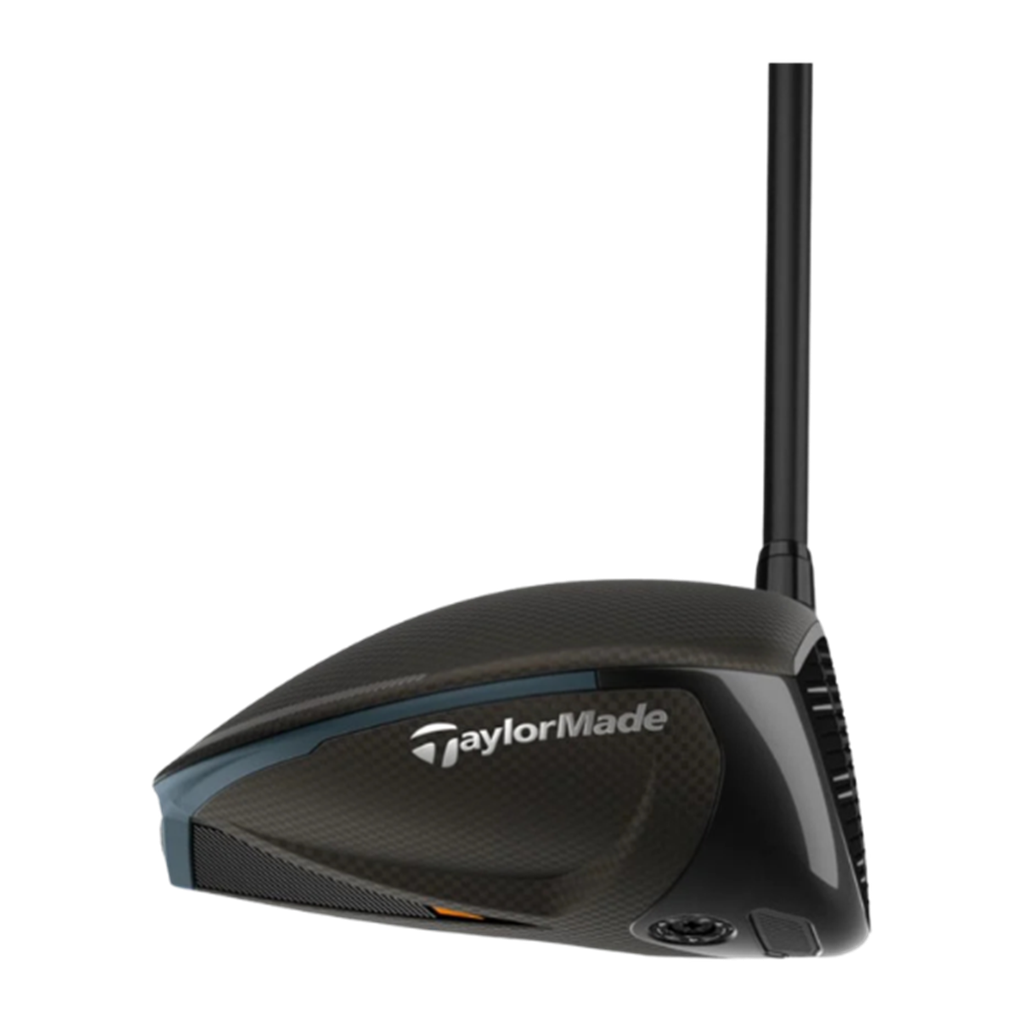
TaylorMade Qi4D Core
8.5/10 · Confidence B
Strong speed and directional evidence with the widest practical setup range here. TaylorMade listed $649.99 on August 15 but reported the current product unavailable, making both fit and availability part of the purchase decision.
Lightweight launch
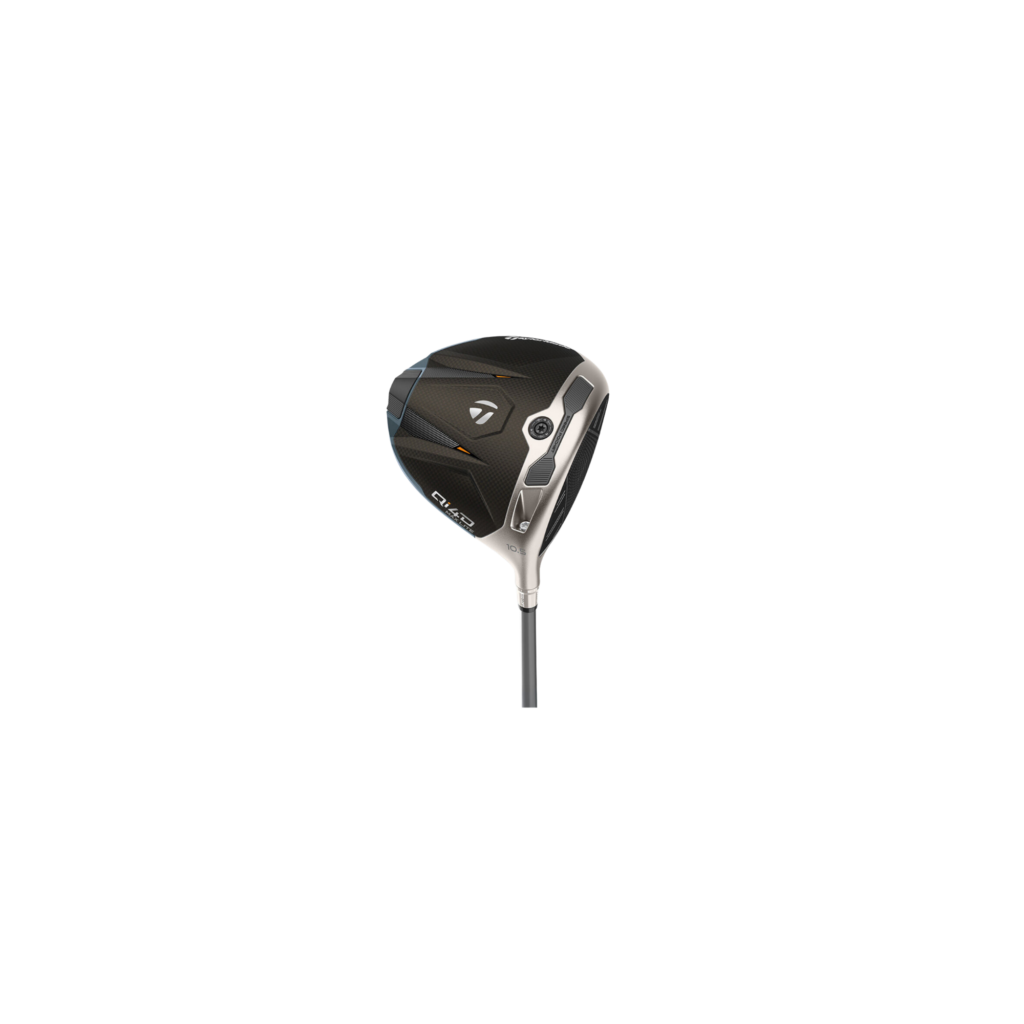
TaylorMade Qi4D Max Lite
8.3/10 · Confidence B
Excellent consistency and forgiveness for golfers who gain speed from less mass. High launch and spin can become a distance penalty for the wrong delivery.
Draw help
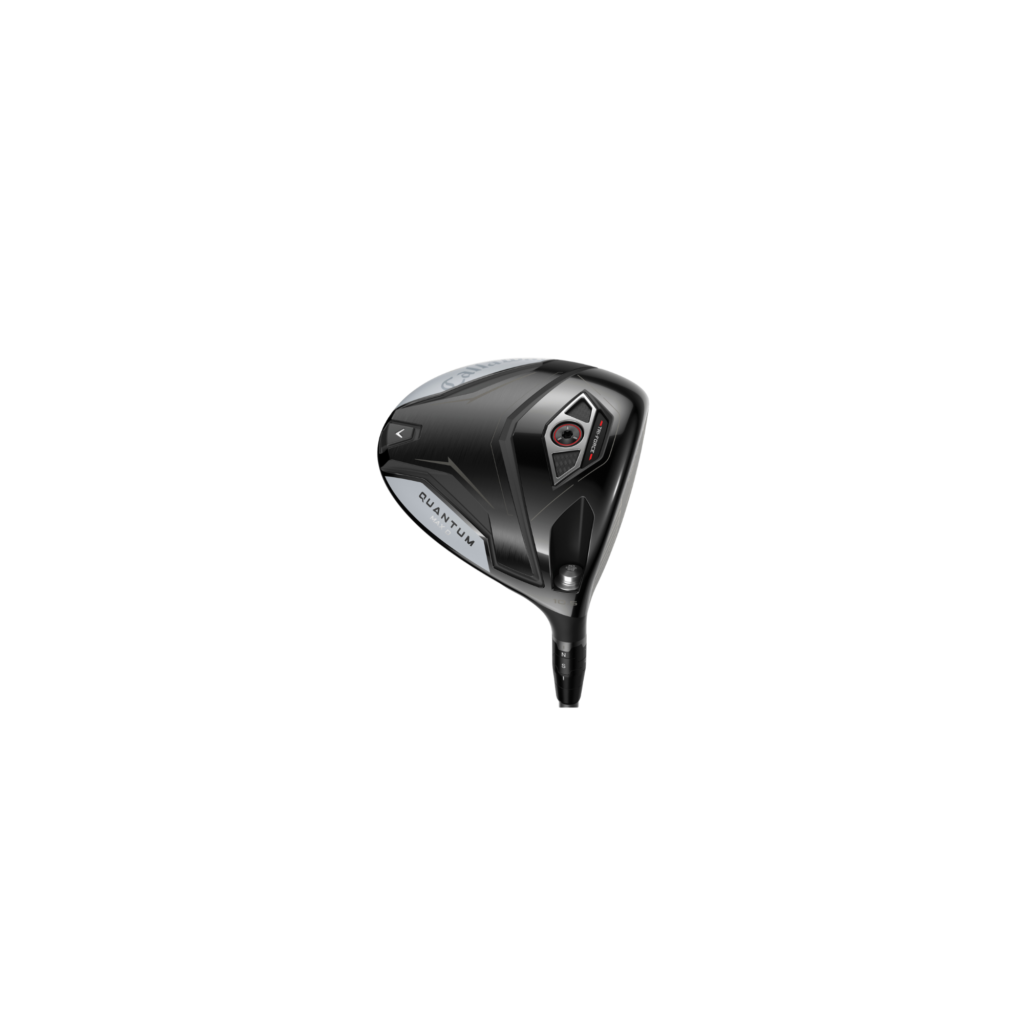
Callaway Quantum Max D
8.4/10 · Confidence B
A high-launch, draw-biased choice for a recurring right miss. Golfers who already turn the ball over should treat that same bias as a warning.
Low-spin control
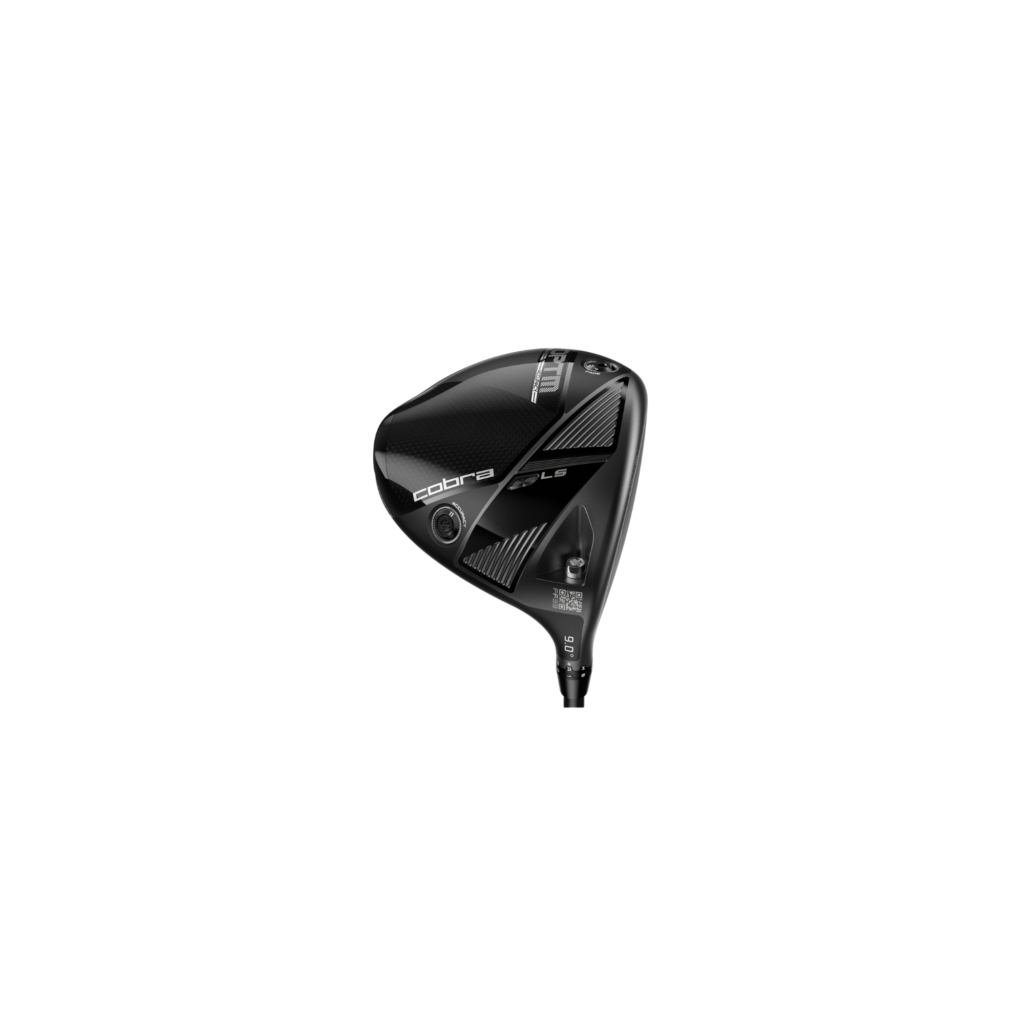
Cobra OPTM LS
8.6/10 · Confidence B
The fitting-room specialist: three movable weights plus FutureFit33 can tune flight precisely. Its compact shape and low-spin bias narrow the audience.
Forgiveness and value
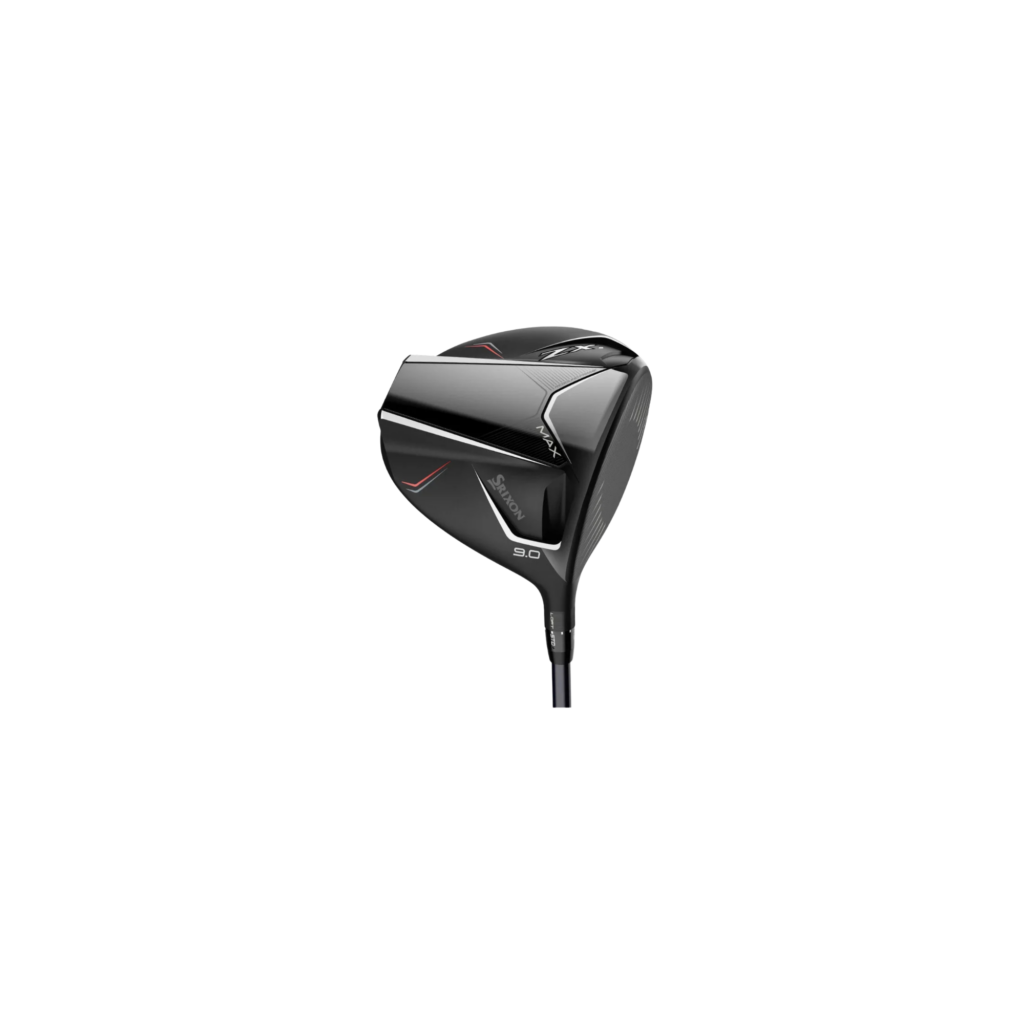
Srixon ZXi MAX
8.7/10 · Confidence A
Two years of broad-test evidence support the forgiveness case. Higher spin can help launch or cost distance, depending on the golfer.
Six Drivers, Six Different Fitting Jobs
Mobile note: On a narrow screen, read each row left to right: driver, best starting condition, then the caution. No driver is ranked by swing speed alone.
Why Swing Speed Is Only a Starting Point
Swing speed tells a fitter how much energy is available. It does not say how the club arrives. Five other variables often matter more to the final head choice:
- Attack angle: two golfers at the same speed can need very different loft and spin if one hits upward and the other downward.
- Strike location: low-face contact generally adds spin and loses ball speed; heel and toe patterns change curvature and starting direction.
- Dynamic loft: delivered loft—not the number stamped on the head—sets much of the launch window.
- Face-to-path: a draw-biased head helps only when its starting direction and curve improve the golfer’s playable pattern.
- Build: shaft weight, profile, total length, grip, swingweight, and head setting change delivery and contact.
Use speed to choose a sensible testing lane, then compare average playable dispersion, strike pattern, launch, spin, and carry. Do not choose from a single longest shot.
1. PING G440 MAX — Best Broad Neutral Starting Point
The G440 MAX is our first fitting recommendation for golfers whose misses move around the face and who do not yet know whether they need draw bias, fade bias, more loft, or less. Across the full PING G440 MAX Meta Review, robot tests, a 35-player comparison, fitter selections, player-panel feedback, and named individual tests most consistently support directional control, useful mishits, and fitting range.
The disagreement is important. MyGolfSpy’s 2025 population test scored its accuracy more strongly than its distance or forgiveness, and the older G430 Max 10K finished higher overall. Other controlled and individual tests found the G440 MAX extremely stable, particularly when contact moved low or across the face. That difference is a reminder that “forgiving” may mean a tight statistical pattern, retained speed, reduced curve, or simply a miss that stays in play.
Buy if: you want a mostly neutral 460cc head with rear draw/neutral/fade positions and an eight-setting hosel. Compare or skip if: a fitted recent PING already gives you the right launch and dispersion, or your pattern clearly calls for the G440 K, LST, or SFT instead.
Meta score: 8.7/10 · Confidence A
Speed 8.5 · Direction 8.8 · Forgiveness 8.9 · Launch/spin 8.7 · Adjustability 9.2 · Feel 8.9 · Looks 8.6 · Value 7.6 · Ownership/durability Not Rated. 17 sources audited; 12 original evidence units; 95% coverage.
Observed price, August 15, 2026: PGA TOUR Superstore listed the G440 MAX from $448.98 to $804.98 across available configurations. Pricing and availability vary by location and build, so treat this as dated purchase context—not performance evidence. Check the current retailer listing, then check the official PING specifications.
2. TaylorMade Qi4D Core — Best Tunable All-Around Speed
The Qi4D Core makes the best case for golfers who want speed without locking themselves into one launch or shot-shape setting. Its four movable sole weights and adjustable hosel can create materially different center-of-gravity and face-delivery outcomes. That fitting range drives its category-leading 9.4 adjustability score in our full TaylorMade Qi4D Meta Review.
The independent evidence is broadly favorable but not perfectly uniform. MyGolfSpy’s 2026 test rated the Core 9.2 overall, with 9.3 distance, 9.2 accuracy, and 9.1 forgiveness. Other controlled tests and individual reviewers also support the speed and stable-flight case, while the exact launch/spin result changes substantially with weight placement and delivery. That makes an off-the-rack verdict less useful than a fitted one.
Buy if: your fitter needs to move launch, spin, or bias without leaving a conventional 460cc head. Compare or skip if: you want maximum built-in draw help, a genuinely lightweight system, or the simplest set-and-forget head. TaylorMade listed the Qi4D Core at $649.99 on August 15, but its official page also said the current product was unavailable; verify both fit and stock before ordering. Check the official Qi4D page.
Meta score: 8.5/10 · Confidence B
Speed 8.6 · Direction 8.8 · Forgiveness 8.1 · Launch/spin 7.8 · Adjustability 9.4 · Feel 9.1 · Looks 9.2 · Value 7.3 · Ownership/durability Not Rated. 13 sources audited; 11 original evidence units; 95% coverage.
3. TaylorMade Qi4D Max Lite — Best Lightweight Launch Option
The Qi4D Max Lite is not simply the Core with an easier label. TaylorMade pairs a lighter head build and stock shaft with a 460cc shape, a four-degree loft sleeve, and one 4-gram weight. The intended result is easier club speed and launch for golfers who benefit from less total mass.
MyGolfSpy’s 2026 test supplies the broadest evidence: 42 drivers, 35 testers, and 20,580 shots. It scored Max Lite 8.4 overall, including 8.7 accuracy and 9.2 forgiveness, but only 7.7 distance. Plugged In Golf’s individual test helps explain that split. Its tester gained a little swing speed and saw excellent consistency, but high launch and spin limited total distance. A separate two-golfer launch-monitor comparison and Golf Digest’s player panel provide useful corroboration without erasing the fit warning.
Buy if: a lighter club improves your center contact, launch, or speed across a normal set of swings. Compare or skip if: you already launch high, hit up strongly, or create too much spin. Lighter is a delivery tool—not a guaranteed speed upgrade for every tempo.
Meta score: 8.3/10 · Confidence B
Speed 7.8 · Direction 8.7 · Forgiveness 9.2 · Launch/spin 8.0 · Adjustability 8.0 · Feel 8.3 · Looks 8.7 · Value 7.4 · Ownership/durability Not Rated. 5 sources audited; 4 original evidence units; 95% coverage.
Official price check, August 15, 2026: $649.99. TaylorMade listed 10.5- and 12-degree stated lofts but said the current product was unavailable; confirm handedness, build, and stock before ordering. Check the official Max Lite page.
4. Callaway Quantum Max D — Best Fixed Draw-Help Option
Quantum Max D has the clearest job in the guide: help a golfer whose playable miss keeps finishing right. Callaway uses internal draw weighting rather than a movable rear track, then adds its OptiFit hosel for loft and lie changes. That makes the head simpler than Qi4D Core or OPTM LS, but it also means a golfer cannot move the center of gravity back to a fully neutral rear-weight position.
The evidence supports both the benefit and the boundary. MyGolfSpy scored it 8.8 overall and a particularly strong 9.4 for distance. Plugged In Golf reported impressive mishit speed retention, high launch, and at least moderate draw bias—but warned that the left miss could appear. In Golf Monthly’s faster-swing family comparison, Max D spun roughly 500 rpm more and carried 11 yards shorter than Triple Diamond for that tester. Golf Digest’s panel added strong MOI context but mixed flight-height and distance reactions.
Buy if: your measured start line and curve need reliable help away from the right side. Compare or skip if: your miss is left or your high-speed delivery already creates excess spin. Do not buy “D” from the name alone—verify that the bias improves the full shot pattern.
Meta score: 8.4/10 · Confidence B
Speed 8.8 · Direction 8.7 · Forgiveness 8.6 · Launch/spin 8.5 · Adjustability 7.6 · Feel 8.7 · Looks 8.3 · Value 7.7 · Ownership/durability Not Rated. 5 sources audited; 4 original evidence units; 95% coverage.
Official price check, August 15, 2026: $649.99 and in stock in the checked configuration. Official options include 9, 10.5, and 12 degrees, with handedness varying by loft. Check the official Quantum Max D page.
5. Cobra OPTM LS — Best Low-Spin Fitting Tool
OPTM LS is the specialist for golfers who deliver enough speed but lose the flight window to excess spin—or who need to tune a persistent directional pattern in a low-spin head. Cobra combines three movable sole weights with FutureFit33, a hosel system that provides 33 loft-and-lie combinations across a stated two-degree range. No other driver in this six-head group offers as much mechanical fitting control.
MyGolfSpy’s 2026 mid-speed result rated the head 8.8 overall and 9.4 for distance; that page comes from the same 2026 test and counts as one evidence unit, not an extra vote. Golf Monthly’s GC3 comparison found only middle-pack ball speed and carry against other low-spin heads for its tester, but better stability and tighter dispersion than the preceding DS-Adapt LS. Plugged In Golf reported a fade tendency, a roughly 45-yard landing area, and less than 20 yards between longest and shortest shots. Golf Digest’s panel and a smaller independent launch-monitor review strengthen the fit case, though the compact, slightly triangular look divided opinion.
Buy if: a launch monitor shows excess spin or a flight pattern that the weight/hosel system can correct. Compare or skip if: you need help adding launch and spin, prefer a rounder footprint, or tend to lose the ball right.
Meta score: 8.6/10 · Confidence B
Speed 8.7 · Direction 8.8 · Forgiveness 8.4 · Launch/spin 8.7 · Adjustability 9.6 · Feel 8.4 · Looks 7.8 · Value 8.2 · Ownership/durability Not Rated. 6 sources audited; 5 original evidence units; 95% coverage.
Official price check, August 15, 2026: $599. Cobra showed stock and custom build paths, with custom builds estimated at 3–5 business days. Official options include 9 and 10.5 degrees. Check the official OPTM LS page.
6. Srixon ZXi MAX — Best Forgiveness-and-Value Case
ZXi MAX earns its place through repeated evidence rather than novelty. MyGolfSpy’s 2025 test selected it as the most forgiving option in the high-speed segment and runner-up for overall forgiveness. Its separate 2026 test still showed a high-launch, higher-spin profile: average results listed 140.86 mph ball speed, 233.10 yards carry, 246.33 total yards, and 2,752 rpm spin.
The individual comparisons tell the same two-sided story. Plugged In Golf used the same shaft across three ZXi heads and found that MAX preserved speed on mishits, reduced the big miss, launched highest, and spun several hundred rpm more—while giving up some peak speed. Golf Monthly rated it 4.5/5 for easy launch and forgiveness but also warned that the spin could exclude faster players. Golf Digest’s panel was positive overall but mixed on sound.
Buy if: easy launch and protection across the face matter more than chasing the lowest spin. Compare or skip if: your delivery already spins a driver too much. Srixon listed the ZXi MAX from $399.99 to $549.99 on August 15, depending on configuration; some hand, loft, and shaft combinations were out of stock or unavailable, so verify the exact build. Check the official Srixon listing.
Meta score: 8.7/10 · Confidence A
Speed 8.1 · Direction 8.8 · Forgiveness 9.4 · Launch/spin 8.6 · Adjustability 8.5 · Feel 8.4 · Looks 8.9 · Value 8.5 · Ownership/durability Not Rated. 6 sources audited; 5 original evidence units; 95% coverage.
For scoring labels, confidence grades, and evidence limits, read how USA Golf reviews golf gear. For the fitting numbers behind the shortlist, use our launch-monitor numbers guide.
How We Built the Six Mini Meta Reviews
Each driver uses the same nine-part scoring model: speed and distance 15%, directional control 15%, forgiveness 15%, launch and spin fit 15%, adjustability and fitting 10%, sound and feel 7.5%, looks 7.5%, comparative value 10%, and ownership/durability 5%.
Ownership and durability are Not Rated for all six because systematic long-term evidence is not mature. We did not insert a neutral guess. The calculator renormalized the remaining eight components, giving every driver 95% supported score coverage.
Sources were graded for credibility, independence, methodology, exact-model clarity, and originality. Manufacturer pages supplied specifications and attributed claims only. They did not receive performance votes. Companion articles, swing-speed cuts, videos, or charts from one underlying test were grouped into one evidence unit. The 2026 MyGolfSpy page’s detailed method says 490 hours, while another passage says 420; we relied on the stated 42-driver, 35-tester, 20,580-shot sample and recorded the hour discrepancy as a limitation.
Confidence A means the result has stronger breadth, methodological variety, exact-model clarity, and agreement. Confidence B means the score is useful but more sensitive to a smaller pool, individual delivery, or model age. Confidence is about the evidence—not whether a club is “A-grade.”
A Practical Driver Fitting Shortlist
- Begin with your miss: right, left, low-face, high-face, or variable contact.
- Choose two role matches: one obvious fit and one useful contrast.
- Control the comparison: use the same ball, comparable loft, and a shaft profile you can deliver.
- Test normal swings: a driver should improve the pattern, not only the fastest three shots.
- Judge playable outcomes: carry window, landing dispersion, strike map, and the costly miss.
- Demand an upgrade threshold: if your current club is close, keep it.
If you want one starting combination: compare PING G440 MAX against the role-specific head that addresses your miss. Use Qi4D Core when you need more movable fitting range, Max Lite when less mass helps, Quantum Max D when right-side curvature dominates, OPTM LS when measured spin is too high, and ZXi MAX when launch and mishit retention lead the brief.
Final Verdict
PING G440 MAX is the best neutral starting point, not the universal winner. The smarter 2026 choice is role-based: Qi4D Core for tuning, Qi4D Max Lite for lightweight launch, Quantum Max D for draw help, OPTM LS for low-spin control, and ZXi MAX for forgiveness/value.
The final decision belongs to the launch monitor and the golf course. Buy the head that improves your average playable drive with your build and your miss—not the one with the highest score in a different golfer’s hands.