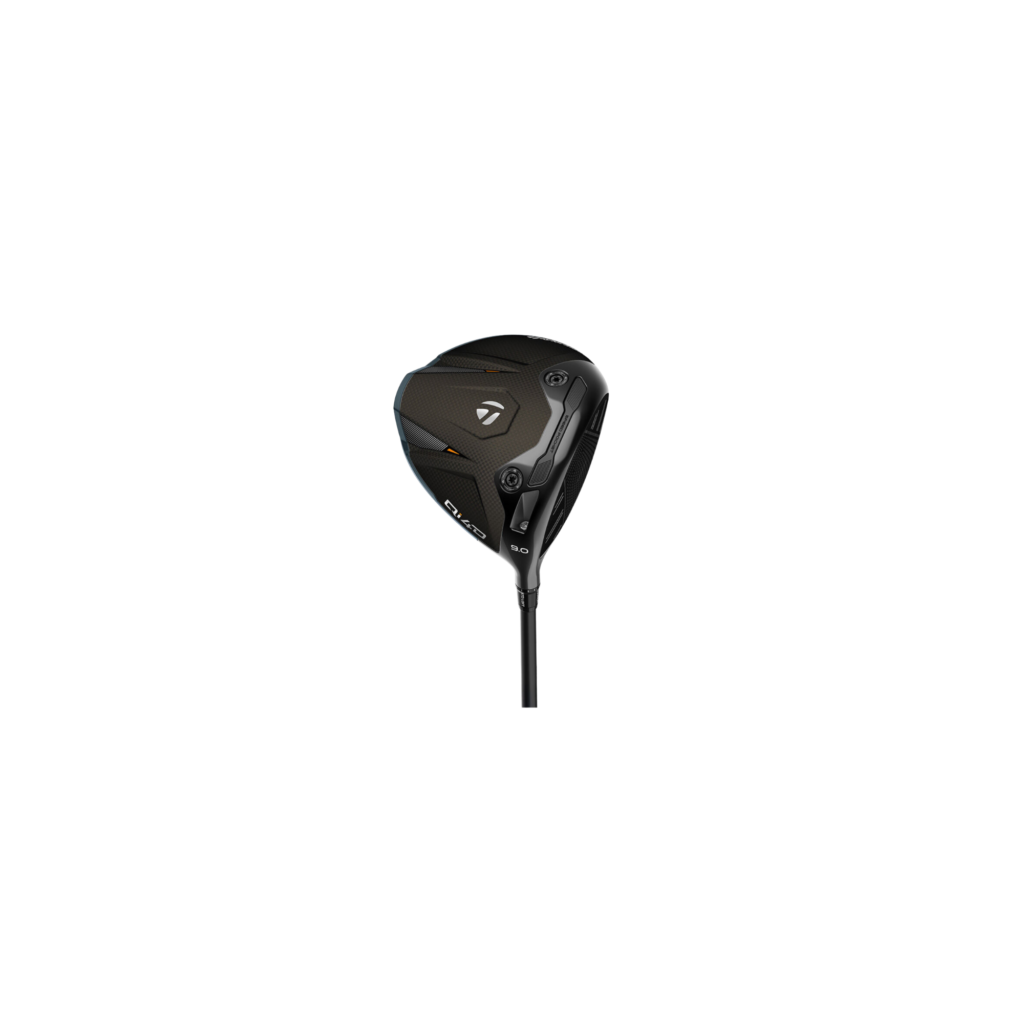
Research-Based Meta Review
USA Golf Magazine did not physically test this driver. We analyzed independent robot testing, multi-player comparison data, individual launch-monitor sessions, on-course reviews, and official product information. The score measures the strength of that combined evidence—not a USA Golf hands-on test.
Navigating the crowded market of modern golf equipment can be incredibly overwhelming, but the TaylorMade Qi4D Core driver has quickly established itself as one of the standout performers in the 2026 driver class. While it boasts an exceptionally strong review record across major testing platforms, a closer look at the data reveals a nuanced performance profile. The most critical takeaway here is that this club isn’t just a magic wand that automatically guarantees extra distance off the tee. Instead, seasoned reviewers frequently look past simple distance claims to praise its highly responsive adjustability, a compact-yet-confident profile at address, crisp impact sound, and remarkable directional control. However, everyday golfers should note an important caution regarding its natural trajectory: recent high-precision, 95-mph robot testing showed that the club tends to produce a flatter overall flight path with slightly less carry than its predecessor, the Qi35, meaning many players will need to deliberately introduce additional loft to unlock its full potential.
13 sources audited; 11 original evidence units contributed. Quantitative findings are strong, but meaningful swing-speed and setup differences prevent an A grade. Evidence coverage: 95%. Ownership/durability is Not Rated and excluded rather than replaced with a neutral assumption.
The Bottom Line
When you sum up all the empirical testing and subjective player feedback, the Qi4D Core firmly establishes itself as a must-try option for a specific profile of player. It should be right at the top of the testing list for golfers who prefer a neutral setup and demand robust weight-tuning options without having to look down at the overly elongated, stretched-out footprint typical of maximum-forgiveness game-improvement heads. The collective evidence becomes especially persuasive when analyzing its elite directional consistency, its wide fitting flexibility, its premium acoustic profile, and its clean, sophisticated appearance. Where it becomes less of a universal, drop-in solution is in the specific areas of launch angles and down-range carry distance. Players operating in the average 95-mph swing speed window—or anyone who naturally fights a low, piercing ball flight—should strongly resist the temptation to buy a low-lofted version straight off the retail rack. Instead, you should walk into your testing session fully expecting that a proper optimization will require intentional adjustments to both the loft-sleeve and the custom shaft profiles.
Buy This If
- You want a neutral Core head with meaningful draw, fade, launch, and forgiveness settings.
- You value a compact, traditional-looking shape more than an oversized Max profile.
- You will compare loft and REAX shaft profiles instead of choosing from swing speed alone.
- Your current fit produces excess spin or too much curvature.
Skip This If
- You need easy height but do not plan to be fit for loft and shaft.
- Your priority is the highest possible mishit protection at higher swing speed.
- You already own a well-fit recent driver and expect an automatic distance jump.
- The $649.99 launch price strains the value case.
What the Strongest Tests Agree On
Direction is the clearest performance strength
To understand exactly how this club behaves on real-world golf courses, we can look at the industry’s most rigorous independent evaluations. For starters, MyGolfSpy’s 2026 testing thoroughly evaluated the head and ranked the Qi4D fourth overall for tight accuracy and fourth for forgiveness, even while it settled into a slightly lower sixth place for pure raw distance. Providing an excellent cross-reference to this data, Golf Digest’s face-map analysis utilized specialized evaluation tools to confirm that the driver produced the tightest left-to-right dispersion pattern among the three most recent TaylorMade club generations. Even though these two media outlets approached their evaluations with entirely distinct testing methodologies, their final conclusions perfectly align, pointing directly to incredibly predictable and stable directional control as the true crown jewel of the Qi4D’s performance profile.
With that being said, it is vital to remember that a tight dispersion pattern doesn’t mean your occasional mishits won’t carry a penalty. In the same study, Golf Digest uncovered a wider front-to-back distance drop-off alongside a noticeable drop in performance on strikes caught heavy off the heel. Meanwhile, MyGolfSpy’s data pool showed that the high-speed testing group only maintained a playable fairway rate of 73.2 percent, despite recording an impressive straight-line trajectory on pure strikes. Translating these technical data points into plain English, the Qi4D excels at keeping your overall shot pattern centered on the target line, but it lacks the ultra-high MOI needed to completely eliminate the natural distance drop-off that occurs when you miss the sweet spot.
The fitting controls are more than decoration
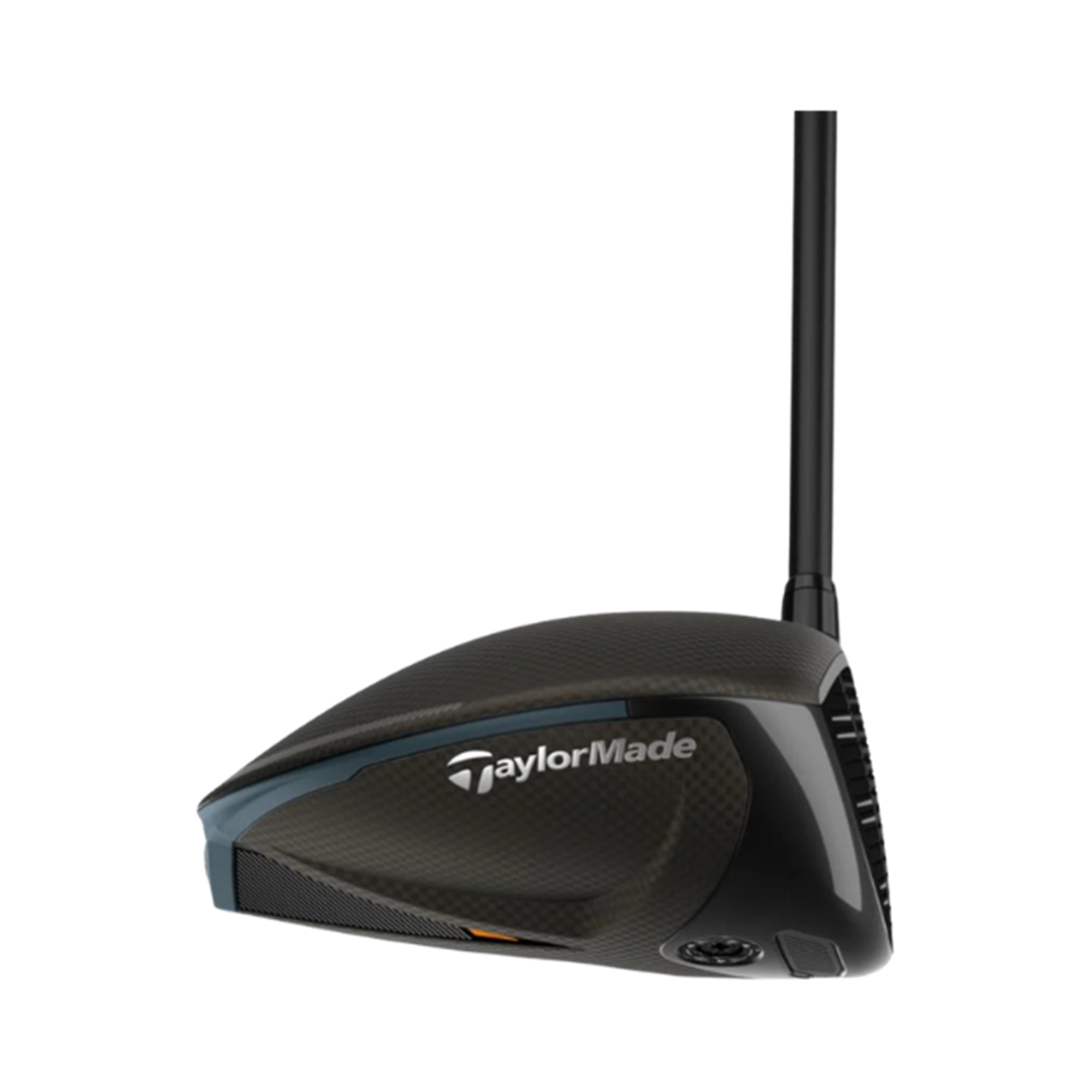
A primary factor behind this impressive adaptability is TaylorMade’s clever engineering choices in the hosel and sole. The Core chassis uniquely pairs an intricate system of four movable weights with a highly adjustable four-degree loft sleeve. Because of this dynamic design, multiple independent testers reported seeing substantial, real-time alterations in ball flight by simply moving the weights or swapping out the stock shafts. For instance, the team at Plugged In Golf documented distinct changes in ball flight when moving the club out of its factory-default setting into its dedicated distance, fade, and draw-biased weight configurations. Similarly, Golfalot highlighted a marked improvement in overall stability after matching the head to specific REAX shaft rotation profiles, while National Club Golfer noted that moving the sole weights instantly altered the clubhead speed and face delivery during a personalized fitting session.
When you evaluate the competitive landscape, it becomes incredibly obvious why the Qi4D’s tuning features earned the single highest component score in our deep-dive analysis. This data-backed reality also means that recommending this driver as an off-the-rack purchase would be doing golfers a massive disservice. Since the primary design triumph of this club is its precision adjustability, choosing to buy one blindly without going through a customized launch-monitor session completely wastes the core technology that makes it worth buying in the first place.