Quick Answer
Launch Monitor Numbers Explained: Which Metrics Matter Most in Club Reviews: A review-style guide to launch monitor metrics, including weighted comparison logic for speed, launch windows, dispersion, and carry consistency.
- Category: Buyer's Guide
- Read Time: 4 min
- Best Use: Apply this as your first decision framework, then validate with your own data.
Launch monitor sessions can feel like a spreadsheet avalanche. You get ball speed, spin, launch, apex, descent, smash, and ten more numbers fast. In club reviews, the winning setup is rarely the one with the flashiest single metric.
The best setups are the ones that hold up shot after shot. This guide explains which metrics deserve top billing, how we weight them in review testing, and which numbers are useful only after core performance is stable.
Comparison Table
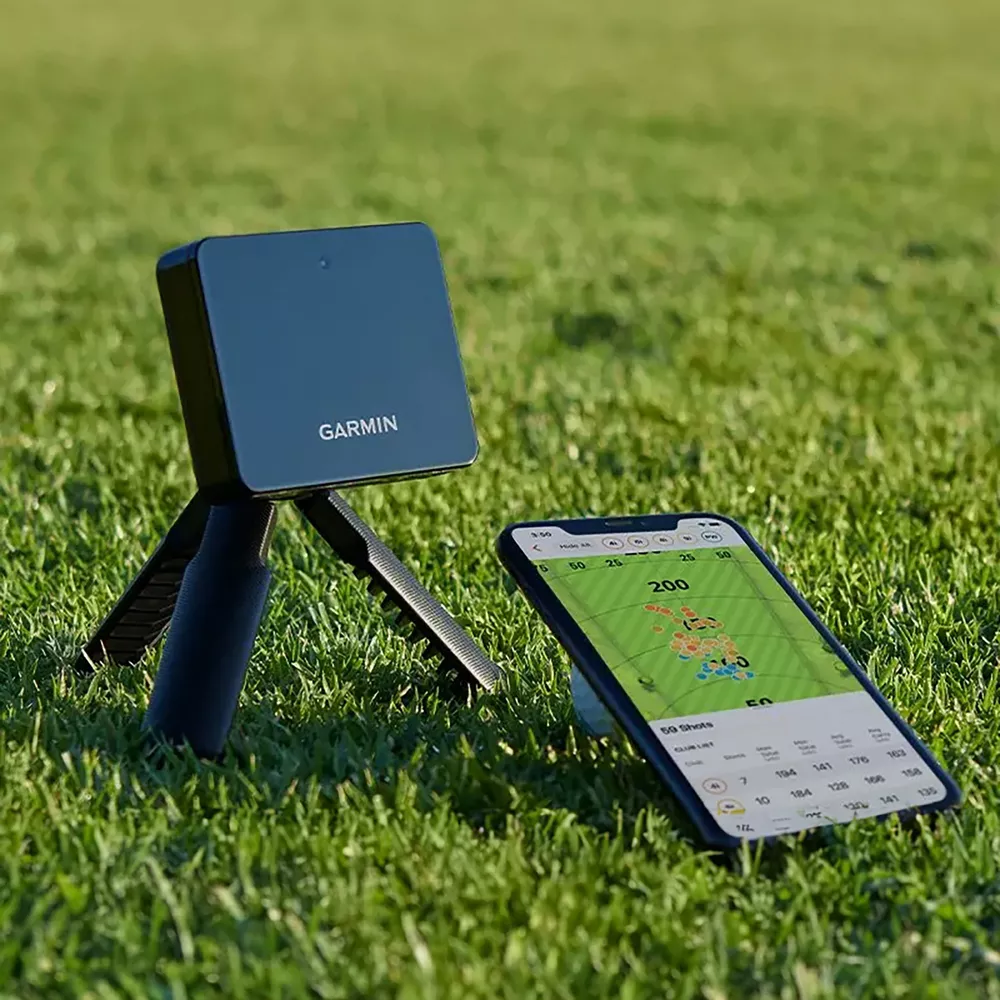
Quick Verdict: The Metrics That Matter First
- Ball Speed: Your first indicator of strike efficiency and distance ceiling.
- Launch Window (Launch + Spin): Determines if speed turns into playable carry.
- Dispersion Pattern: The scoring filter; extra yards mean little if misses widen.
- Carry Consistency: The repeatability signal that protects real-course decision making.
If a club review does not improve at least two of these four areas for your actual miss pattern, the change is usually cosmetic, not meaningful.
Supporting Metrics: What They Clarify
- Smash Factor: Confirms strike conversion, but never outranks dispersion.
- Spin Axis / Face-to-Path: Explains start-line and curvature trends.
- Apex + Descent: Validates stopping power, especially in iron reviews.
- Carry-to-Total Split: Helps separate launch efficiency from rollout luck.
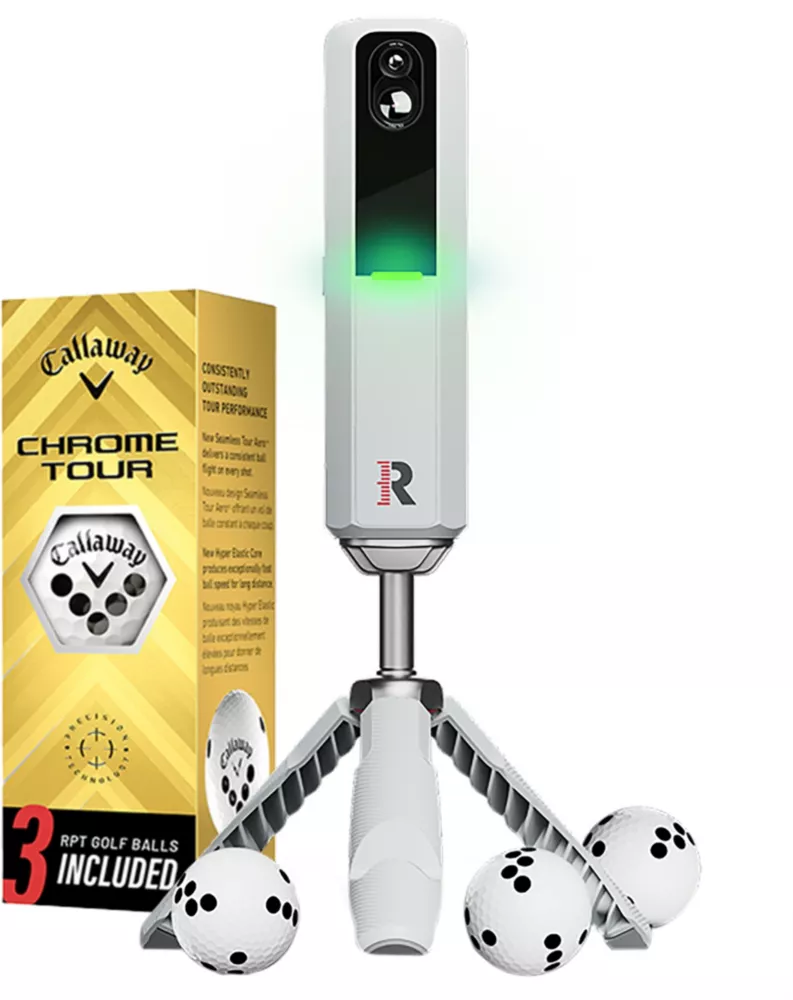
Comparison Table: How We Weight Each Metric
| Metric | Review Weight | What It Tells You | Best Used For | Common Trap |
|---|---|---|---|---|
| Ball Speed | Very High | Strike efficiency and head/shaft energy transfer | Driver and fairway wood speed retention | Judging a setup from one “best ball” |
| Launch + Spin Window | Very High | Flight stability and carry usability | Driver trajectory, iron peak-window fitting | Chasing the lowest spin number available |
| Dispersion Pattern | Very High | How playable your misses really are | Scoring impact across all club categories | Prioritizing distance over direction |
| Carry Consistency | High | Distance repeatability shot to shot | Approach clubs and gapping decisions | Relying on total distance in variable turf |
| Smash Factor | Medium | Conversion efficiency relative to speed | Diagnosing strike quality trends | Treating smash as the final decision metric |
| Apex + Descent | Medium | Landing behavior and green-holding profile | Iron and hybrid stopping power checks | Reading apex without descent angle context |
By Club Category: Where Priorities Shift
Drivers: lead with ball speed retention, launch/spin windows, and left-right miss width. Irons: lead with carry consistency and descent control. Wedges: prioritize front-to-back distance control and predictable spin on partial shots.

20-Minute Test Flow: A Cleaner Review Session
- Set a baseline: hit 8-10 shots with your current gamer first.
- Change one variable: head, shaft, or loft, never all three at once.
- Score medians, not highlights: use middle outcomes, not single outliers.
- Judge worst misses first: your worst three shots tell the truth fastest.
Bottom Line: Keep the Hierarchy Intact
Launch monitor numbers matter most when they are filtered through scoring outcomes. In club reviews, prioritize speed retention, flight window stability, and dispersion control first. Use the rest of the data to explain decisions, not to make them for you.
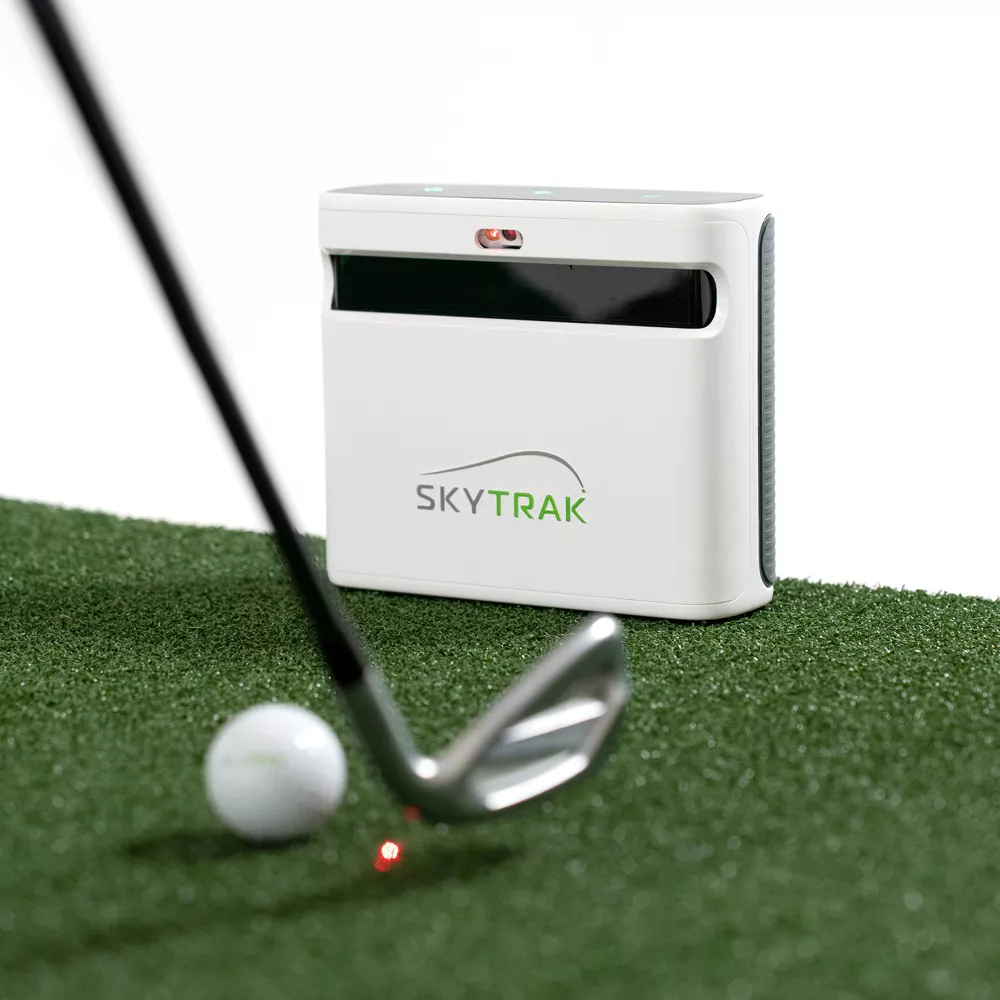
Source Links
- Garmin Approach R10 (Retail)
- Rapsodo MLM2PRO (Retail)
- Garmin Approach R50 (Retail)
- SkyTrak+ (Retail)
What This Means for Your Game
Launch Monitor Numbers Explained is not just a headline topic. It has direct impact on your next purchase, setup, or on-course decision. We added this section to give you practical, reader-first context in plain language.
At USAGolfMagazine, we prioritize verifiable detail and buyer’s guide decision context. That means comparing tradeoffs, identifying who a recommendation helps most, and showing where fit, budget, or conditions can change the best answer.
Quick Practical Checklist
- Define your primary goal before you copy anyone else’s setup.
- Match choices to your actual swing speed, strike pattern, and course conditions.
- Use one consistent benchmark so comparisons stay fair and repeatable.
- Keep notes after rounds so your next adjustment is based on evidence.
If you apply this framework, your decisions around Launch Monitor Numbers Explained become clearer, faster, and more repeatable. The goal is not one perfect answer for everyone. The goal is finding the best fit for how you actually play.
As always, revisit this guide after a few rounds and update your plan based on results. Small, measured changes usually beat dramatic overhauls, especially when your objective is long-term consistency.
FAQ
Who is this comparison best for?
A review-style guide to launch monitor metrics, including weighted comparison logic for speed, launch windows, dispersion, and carry consistency.
What should I prioritize first when choosing gear?
Prioritize your miss pattern and launch window first, then refine by feel, adjustability, and price.
Can I use this guide without a paid fitting?
Yes. Use the table to create a 2-3 model shortlist, then test those options side by side before final purchase.