Research basis
USA Golf Magazine did not physically test these irons. We audited a multi-player comparison, exact-model launch-monitor reviews, robot evidence, current fit guidance, and official specifications. No product clears the full exact-model scoring gate yet, so every overall is Not Rated.
The right players-distance iron is the one that keeps your carry numbers boring. Ball speed matters, but a hot seven-iron is not useful when a slight miss creates a surprise gap. The best starting shortlist depends on how much head size you accept, where you strike the face, and whether you need launch, spin, or speed.
Five Evidence-Backed Fitting Shortlists
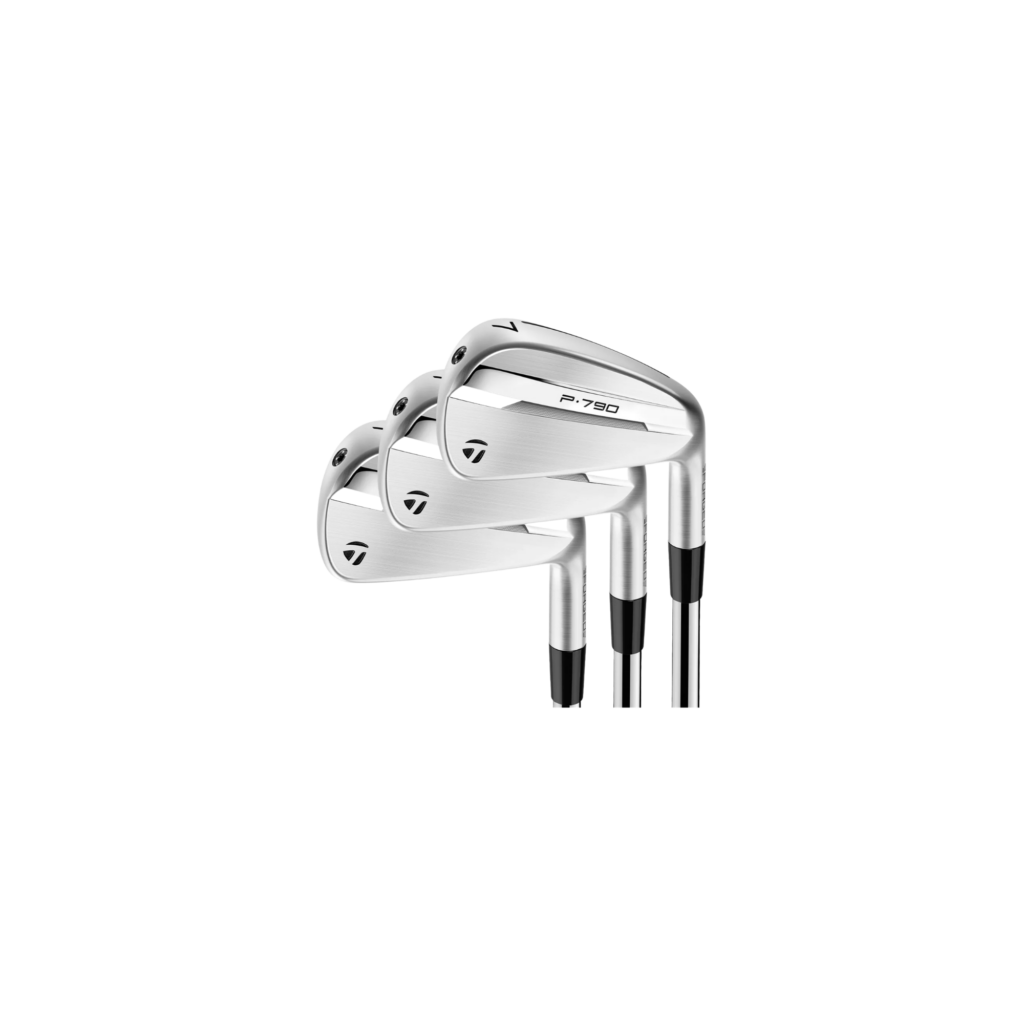
Compact speed shortlist
TaylorMade P790 (2025)
Overall: Not Rated · Evidence C
A shared multi-player test and a separate Foresight session support the speed-and-gapping case. Public component coverage is still short of the Meta Review scoring gate.
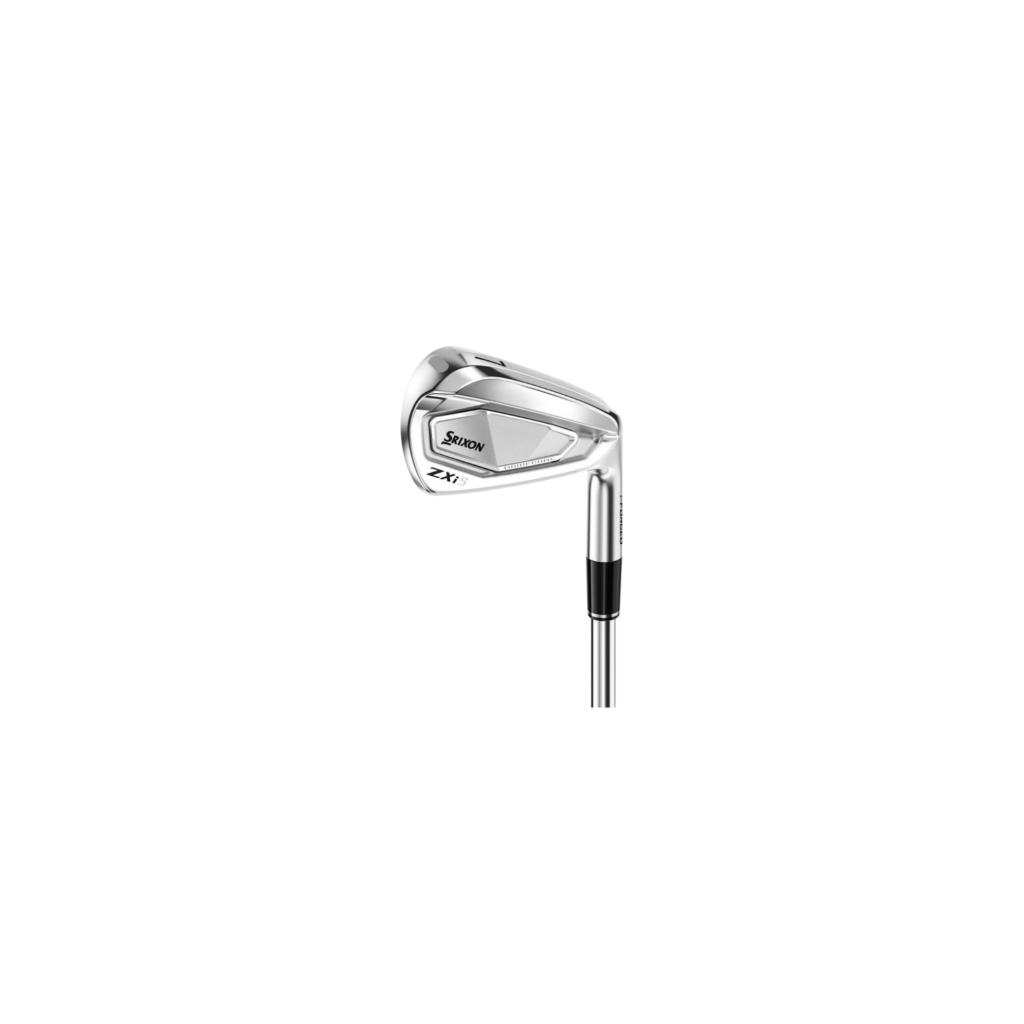
Balanced players-distance fit
Srixon ZXi5
Overall: Not Rated · Evidence C
Strong placement in the shared 2025 test and useful named reviews. A distinct second quantitative unit with enough exposed protocol is still needed.
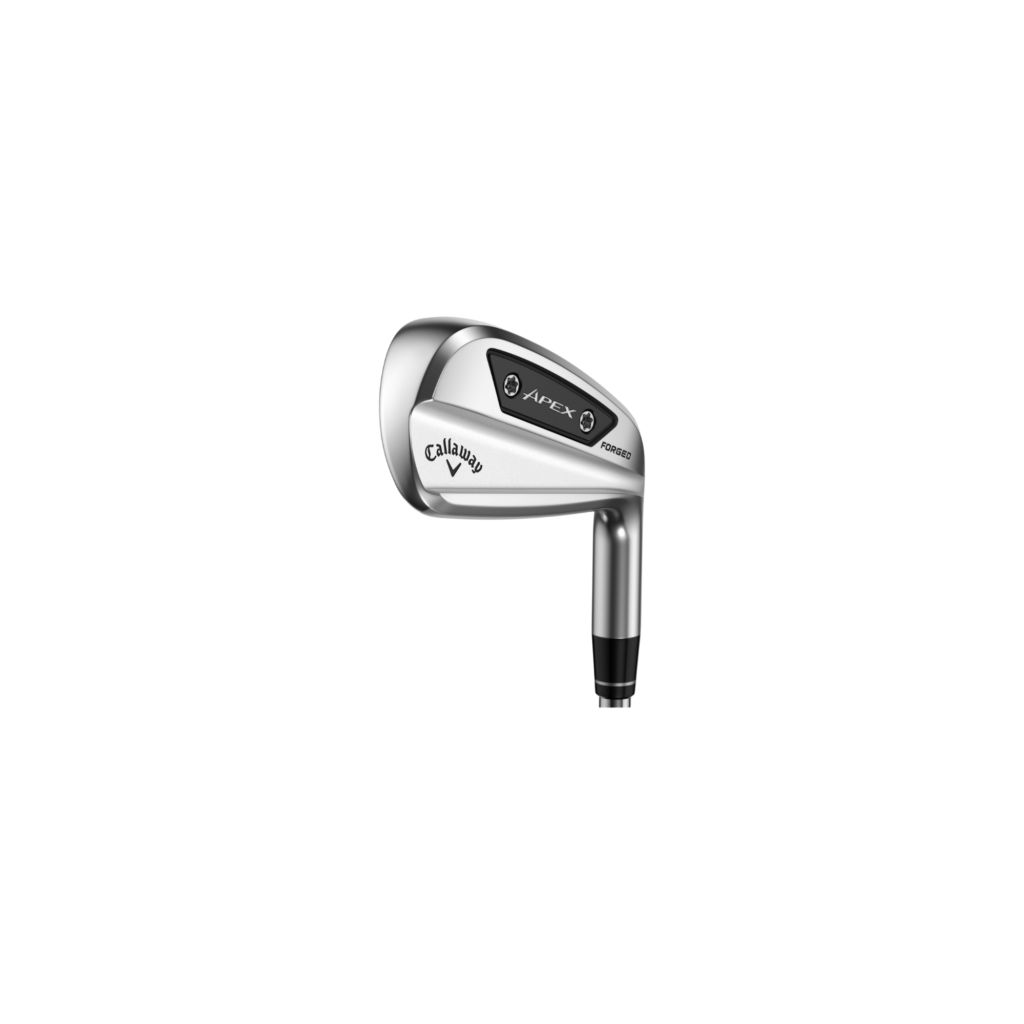
Speed with a compact shape
Callaway Apex Ai200
Overall: Not Rated · Evidence C
The evidence supports a speed-forward purchase case, but raw distance must be read beside loft, descent, and front-to-back consistency.
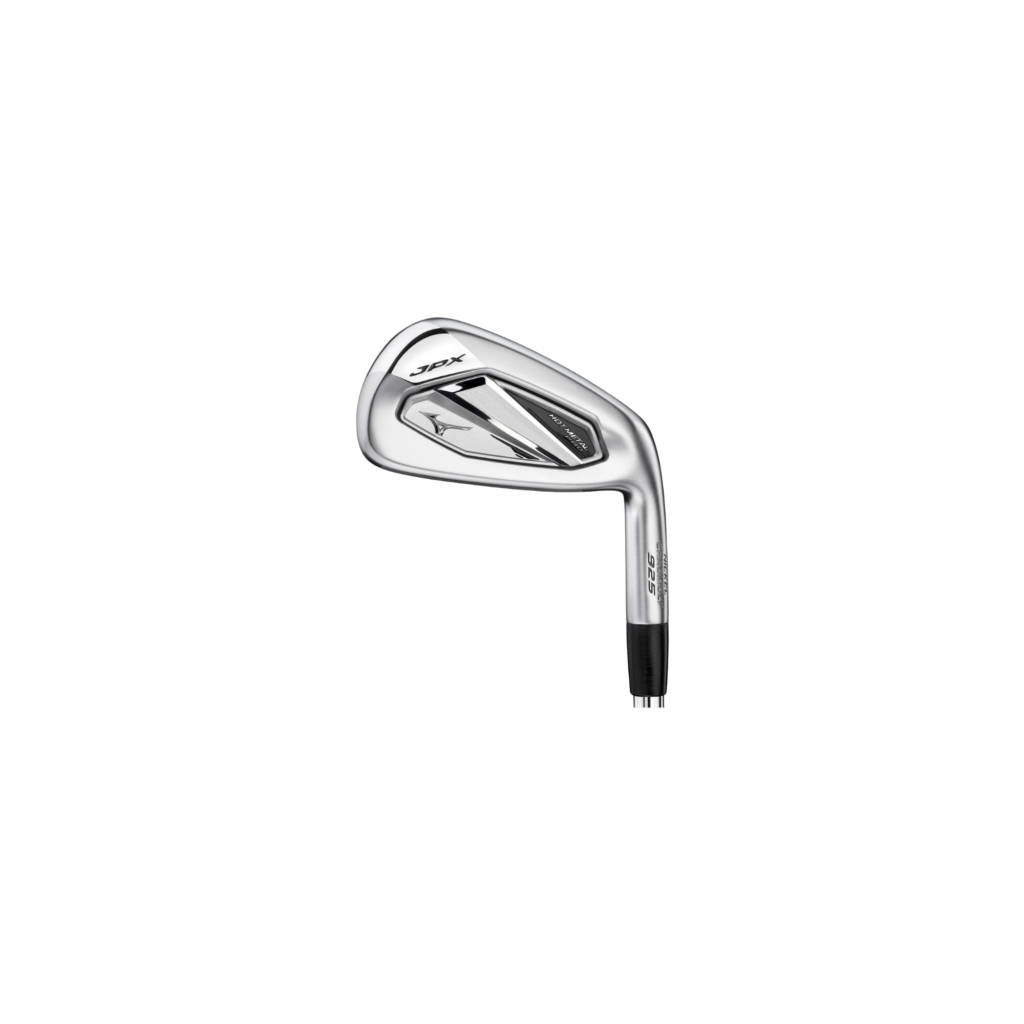
Feel and confidence option
Mizuno JPX 925 Hot Metal Pro
Overall: Not Rated · Evidence C
A useful compact game-improvement boundary choice. Exact-model evidence must remain separate from the forged JPX 925 variants.
Forgiveness boundary
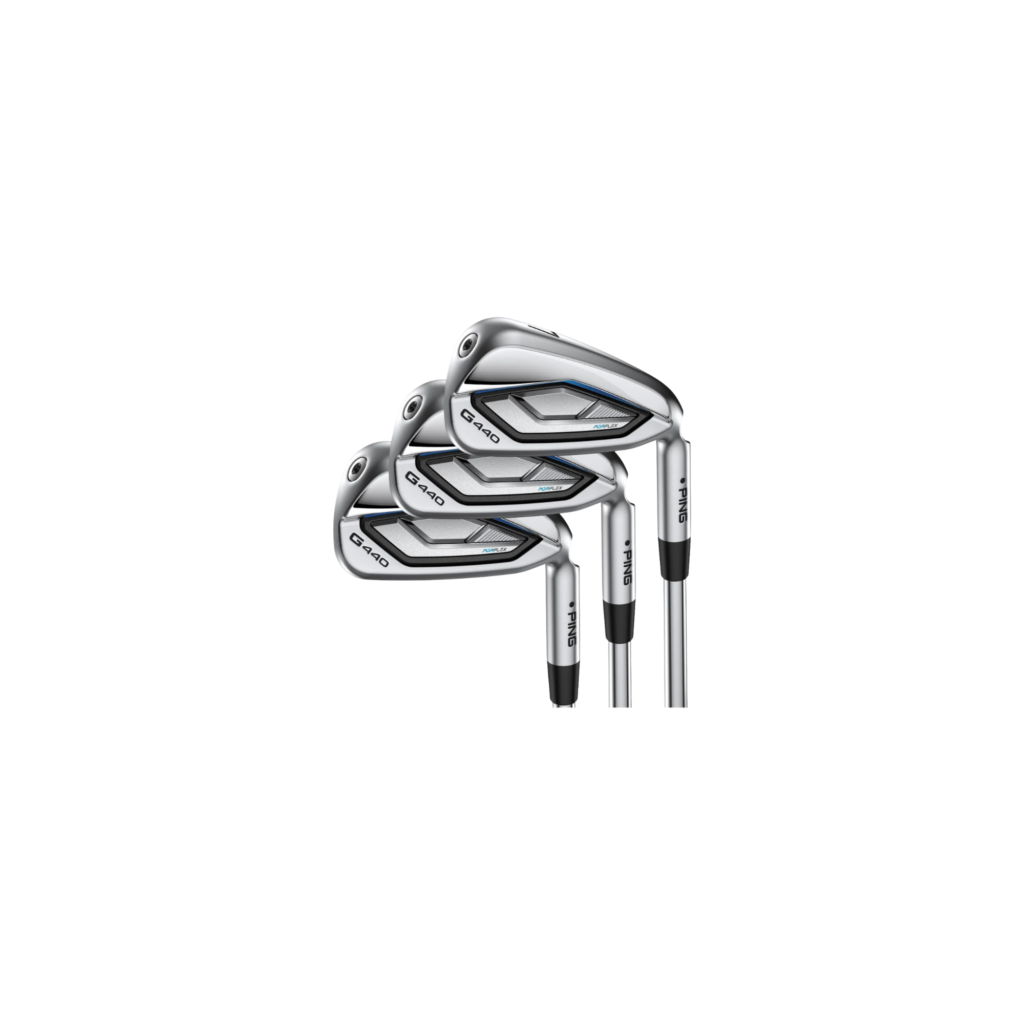
PING G440
Overall: Not Rated · Evidence C
The larger game-improvement alternative. Robot evidence shows how strongly delivery can change its long-iron launch and carry.
What the Strongest Evidence Agrees On
The 2025 MyGolfSpy iron program is the broadest common comparison in this evidence pack. It is one original testing unit even when separate product pages repeat its results. Named launch-monitor reviews add exact-model context, but their absolute numbers belong to the tester, loft, shaft, ball, and conditions used.
Across the sources, three themes repeat. Modern compact-distance heads can create useful speed without looking like traditional game-improvement irons. Strong lofts make raw carry comparisons misleading. And front-to-back consistency deserves at least as much attention as the longest centered strike.
Where the Results Need Context
The P790 has the clearest second exact-model quantitative unit in this group, but the public record still does not support every component in the irons scorecard. The ZXi5, Ai200, and JPX 925 Hot Metal Pro have useful cross-model and named-tester evidence, yet too much of the second layer is narrative or protocol-light. The G440 sits in a larger-head category and should not be ranked as though its job is identical.
That is why these products are Not Rated rather than assigned a number from one shared test. The missing score protects the decision from false precision.
Model-by-Model Fitting Questions
TaylorMade P790 (2025)
P790 is the first compact-speed candidate to test because it has both the shared multi-player evidence unit and a separate Foresight review covering the four- and seven-iron. Ask whether its speed comes with predictable carry throughout the set. Compare the long iron rather than assuming a strong seven-iron result transfers automatically.
Srixon ZXi5
ZXi5 belongs on the balanced shortlist when the golfer wants a compact profile without making forgiveness the only priority. Its shared-test position is encouraging, but a separate narrative review is not automatically a second quantitative vote. Check turf interaction, sole comfort, and whether the launch window remains useful in the long irons.
Callaway Apex Ai200
Ai200 is the speed-forward comparison. Strong ball-speed evidence can make it attractive, but loft and face construction mean a fitter should focus on landing window and gap behavior. If one strike flies unusually long, mark it and look at the full pattern before calling the extra speed useful.
Mizuno JPX 925 Hot Metal Pro
This model sits near the boundary between players-distance and compact game-improvement. That can be valuable for the golfer who wants visual confidence and help without moving to the largest head. Keep it separate from JPX 925 Forged evidence; similar family names do not make the heads interchangeable.
PING G440
G440 is the control case for category bias. Its larger shape may produce the easiest useful flight for a golfer who arrived asking for a compact iron. Golf Digest’s robot work on the long iron also shows why speed and attack angle can change the carry benefit. If G440 wins, accept the result rather than forcing a smaller label.
Value Requires the Ordered Set
Compare the price of the actual build: set composition, shaft upcharges, grip, and any additional fitting cost. A lower advertised set price can disappear when the golfer must add specialty wedges or replace a long iron that does not launch. Conversely, a more expensive head is not better value unless its fit advantage appears in the pattern.
Choose the Head by Your Miss
- Thin or low-face contact: start with the head that preserves launch and playable carry, not the smallest topline.
- Front-to-back flyers: compare median carry and the shortest three acceptable strikes.
- Left bias: check lie, shaft, offset, and face delivery before blaming the head category.
- Low peak height: compare landing angle and stopping window, not only spin.
- Confidence problem: test one larger boundary model such as G440 beside the compact shortlist.
A Six-Club Fitting That Reveals More
Bring your current six- or seven-iron and use the same premium ball throughout. Warm up, record ten gamer shots, and identify the median carry plus the left-right and front-to-back pattern. Then test each candidate with a shaft that is genuinely plausible for you. Do not change head, shaft, length, and lie at once and call the result a head comparison.
For each candidate, keep at least eight representative shots after obvious slips are marked—not quietly deleted. Compare median carry, carry standard deviation, peak height, descent, start direction, and strike location. Finish by hitting the long iron or the next club you would actually order. A seven-iron win can disappear when the set reaches the part of the bag you struggle to launch.
Principal Evidence
The main shared comparison is MyGolfSpy’s 2025 iron test program. The P790 has a separate GolfMagic Foresight review. Current fit observations appear in Golf Monthly’s compact mid-handicap guide. Golf Digest’s PING robot test is the key reminder that delivery changes launch and carry.
If you are still deciding which iron class fits your flight and strike pattern, start with our 2026 iron-class fitting guide before comparing these players-distance models.
Bottom Line
Start with P790 and ZXi5 if compact speed is the brief. Add Ai200 when ball speed and shaping appeal, JPX 925 Hot Metal Pro when a little more visual help is welcome, and G440 when forgiveness matters more than category purity. Let the fitting decide; the current evidence does not justify a universal first place.