Quick Answer
Definitive Irons Buying Guide 2026: Classes, Fit Map, and Best Picks by Player Type: A definitive irons guide with class-by-class fit guidance, a practical fit map, and model picks for players who need better launch, spin, and distance control.
- Category: Buyer's Guide
- Read Time: 5 min
- Best Use: Apply this as your first decision framework, then validate with your own data.
This definitive irons guide is built for one goal: helping you choose the right iron class before you ever start comparing brand models. Most golfers shop irons backward. They chase a head shape first, then wonder why launch, spin, and distance gaps do not fit their game.
Start with class fit, then move to model fit. That is how you avoid expensive misses.
Quick Class Map: Which Iron Family Fits Your Game?
Comparison Table
| Iron Class | Who It Fits Best | Typical Launch/Spin | What You Gain | Trade-Off |
|---|---|---|---|---|
| Blade / Muscle Back | Elite ball strikers with repeatable center contact | Lower launch, high spin control | Maximum trajectory control and feedback | Lowest forgiveness on misses |
| Players Cavity | Low-to-mid handicaps wanting precision with some help | Mid launch, consistent spin | Control with more stability than blades | Less raw speed than hollow-body distance heads |
| Players Distance | Mid handicaps and improving low handicaps | Mid-high launch, moderate spin | Speed + playable forgiveness in compact shapes | Can create hot/low-spin flyers in some turf windows |
| Game Improvement | Mid-to-high handicaps needing carry and directional help | High launch, moderate-to-low spin | Easier launch, higher ball speed retention | Larger profiles and less workability |
| Super Game Improvement | Higher handicaps and lower-speed players prioritizing ease | Very high launch, lower spin | Maximum launch and forgiveness | Least workable, widest sole presentation |
Fit Map: Pick Your Class in 4 Steps
- Set your strike baseline: If your 7-iron face contact often drifts toe/low, start in Game Improvement or forgiving Players Distance.
- Confirm your launch window: If your mid-irons flatten out and miss short, move up in launch support (wider sole, deeper CG, lighter shaft profile).
- Audit your front-to-back misses: If distance control is wide, prioritize heads known for consistent spin retention over pure ball-speed spikes.
- Protect scoring irons: If PW-8 iron control matters more than max distance, bias toward Players Cavity or stable Players Distance shapes.
Comparison Table: Best Iron Picks by Class and Player Need
Comparison Table
| Model | Product | Class | Launch | Forgiveness | Best For | Price Tier |
|---|---|---|---|---|---|---|
| Titleist T200 | 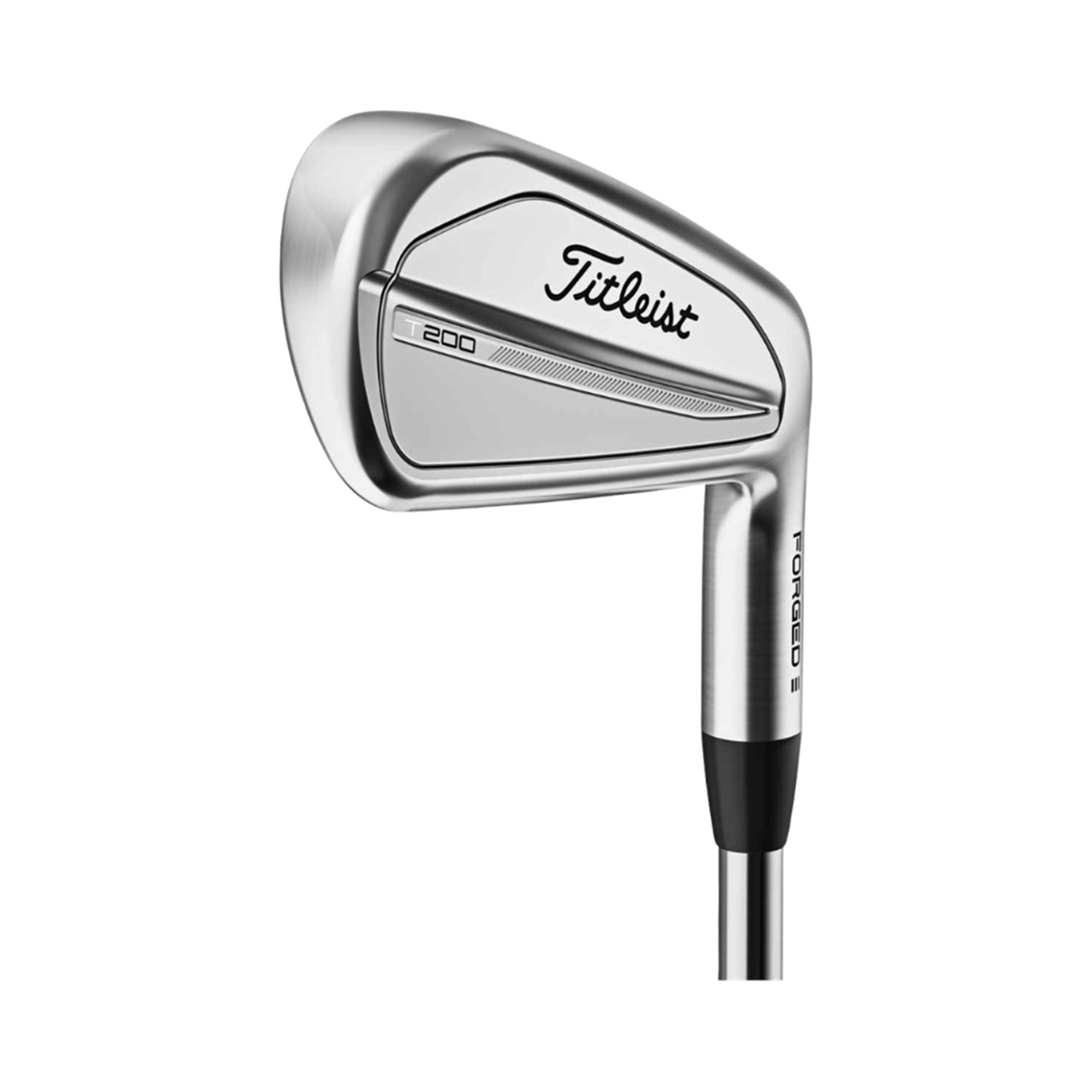 |
Players Distance | Mid-High | Medium-High | Players who want compact looks with more speed retention than a classic cavity | $$$ |
| TaylorMade P790 | 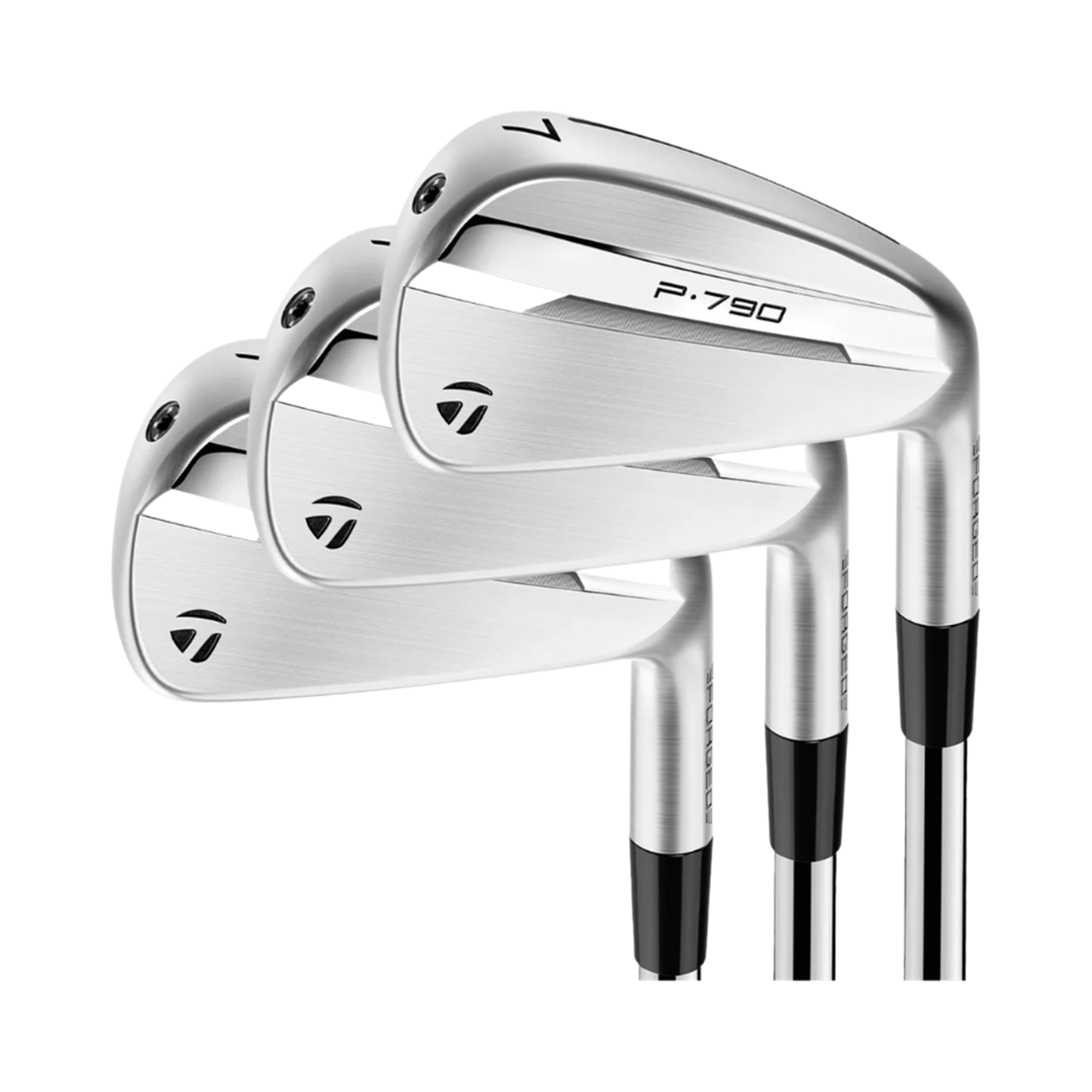 |
Players Distance | Mid-High | Medium-High | Mid handicaps chasing more carry distance without moving to oversized heads | $$$ |
| Srixon ZXi5 | 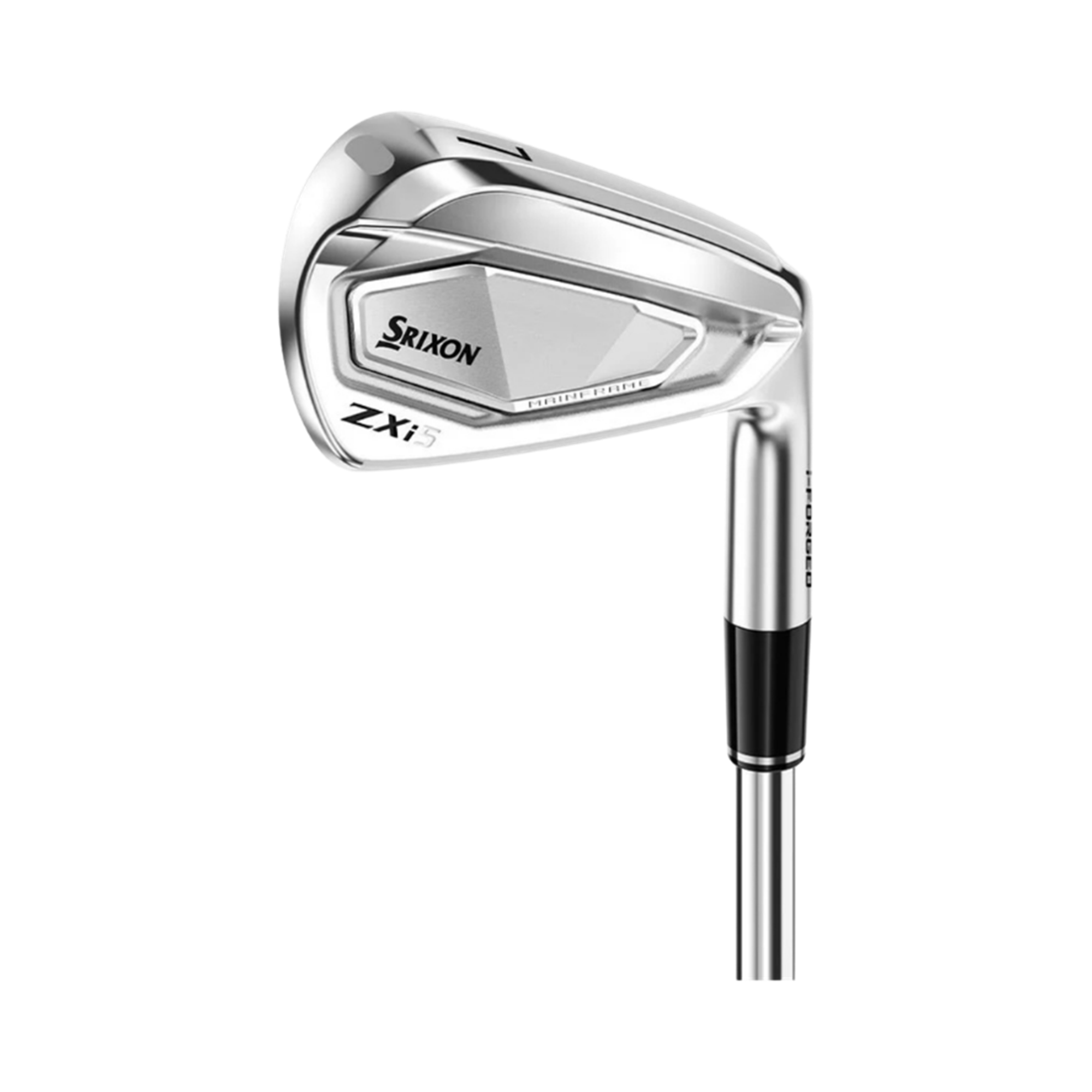 |
Players Distance | Mid | Medium | Golfers who prioritize turf interaction and front-to-back control on approach shots | $$$ |
| Callaway Apex Ai200 | 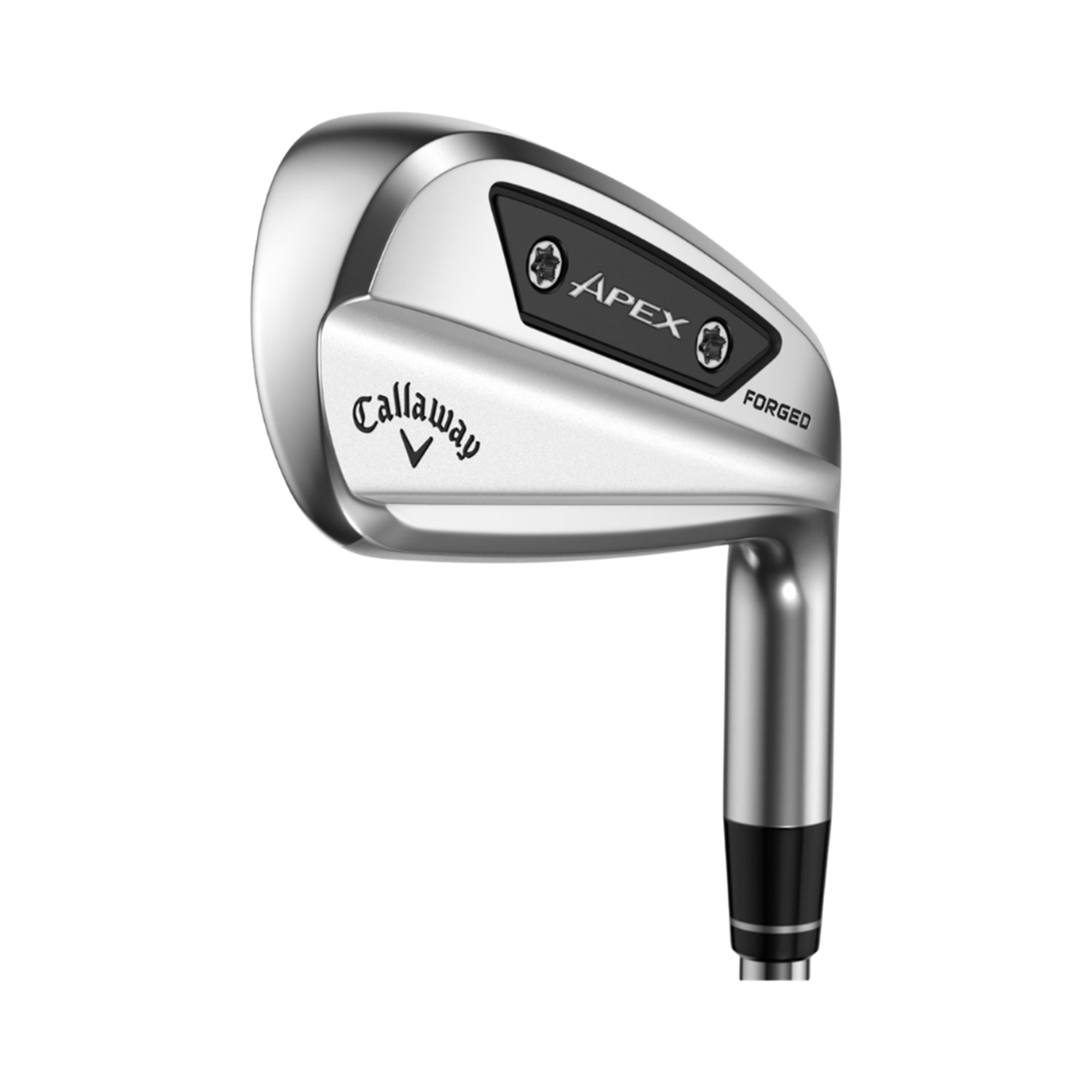 |
Players Distance | Mid-High | Medium-High | Better players who want forged feel plus modern face-speed consistency | $$$ |
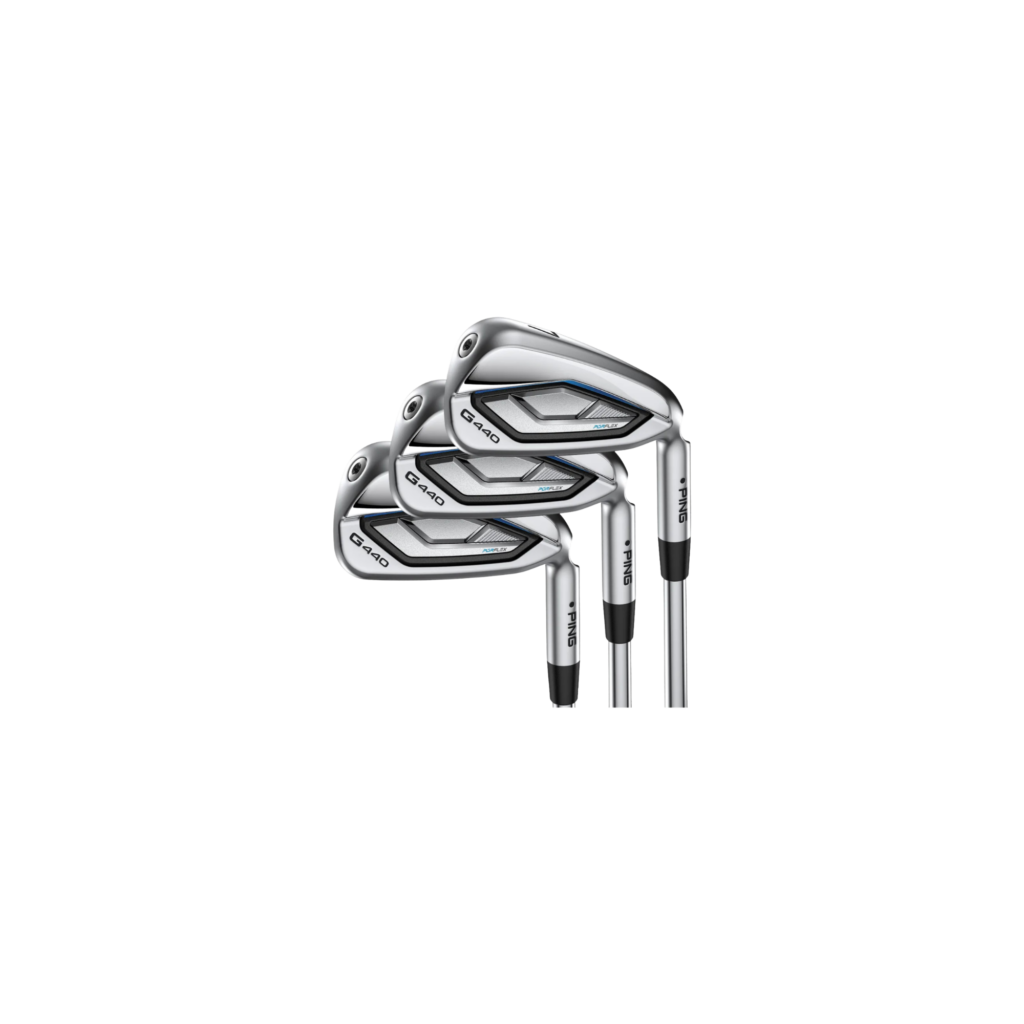
| PING G440 | 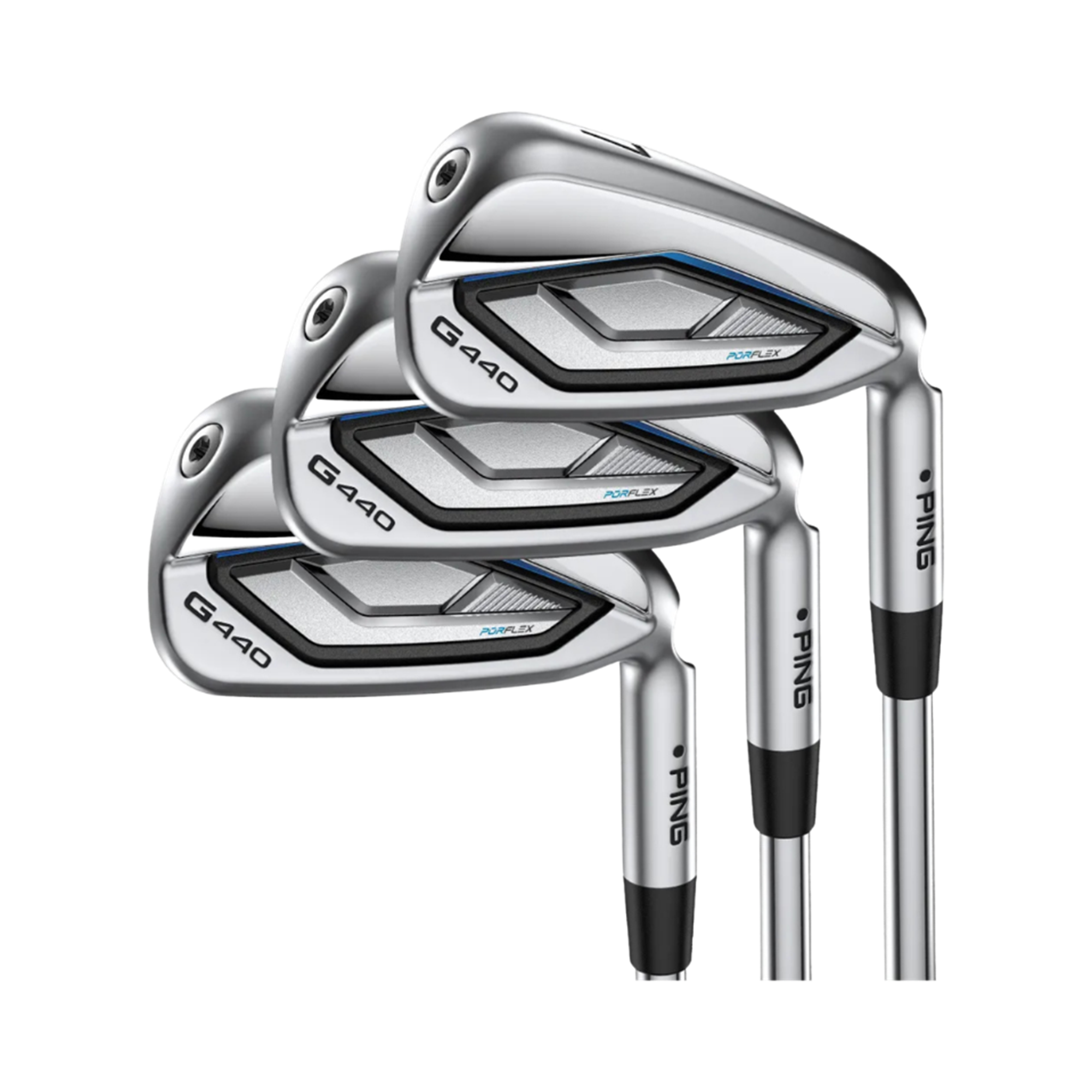 |
Game Improvement | High | High | Players needing easier launch and tighter carry gaps from imperfect strikes | $$$ |
Individual Product Profiles
Titleist T200
A strong players-distance option for golfers who want compact looks but still need help preserving speed on slight misses.
Key Benefits
- Compact profile with modern speed support
- Playable launch with stable spin behavior
- Easy transition for stronger ball strikers
- Solid gapping potential through the middle irons
Potential Drawbacks
- Less help than full game-improvement heads
- Can still demand decent strike quality
Best For: Competitive mid handicaps and improving low handicaps
Price Tier: $$$
TaylorMade P790
P790 remains one of the benchmark players-distance heads when golfers want distance gains without jumping to oversized shapes.
Key Benefits
- Strong carry output through the set
- Forged feel profile players trust
- Clean address shape for confidence
- Wide fitting appeal across mid-handicap ranges
Potential Drawbacks
- Premium price category
- Distance-first setups may need loft and shaft discipline
Best For: Players who want speed without giving up clean visuals
Price Tier: $$$
Srixon ZXi5
ZXi5 is a balanced players-distance profile that suits golfers who value turf interaction and strike consistency as much as raw speed.
Key Benefits
- Strong all-around playability
- Reliable turf interaction traits
- Distance and control balance
- Stable spin windows for front-to-back management
Potential Drawbacks
- Not the highest-launch option in class
- May need fitting for players needing extra peak height
Best For: Golfers wanting balanced distance-control performance
Price Tier: $$$
Callaway Apex Ai200
Apex Ai200 targets players who want modern face technology with consistent speed and a premium forged construction profile.
Key Benefits
- Strong speed consistency across face zones
- Modern tech in a better-player profile
- Good blend of power and stability
- Controlled launch window for scoring-iron confidence
Potential Drawbacks
- High-end pricing
- Still requires proper fit for best gapping
Best For: Golfers seeking modern tech with refined feel
Price Tier: $$$
PING G440
G440 is the forgiveness anchor in this group, built for golfers who need easier launch and steadier carry distance from imperfect contact.
Key Benefits
- High-launch support through the set
- Forgiveness profile that protects carry distance
- Reliable fit pathway for mid-to-higher handicaps
- Strong confidence for players rebuilding iron consistency
Potential Drawbacks
- Larger profile may not suit compact-shape preferences
- Less shot-shaping freedom than players cavity designs
Best For: Golfers prioritizing launch help and consistency
Price Tier: $$$
Test Notes and Editorial Scoring Method
Each iron in this guide was scored across five weighted categories: launch window consistency, spin stability on center and slight-miss strikes, front-to-back distance control, turf interaction reliability, and fit versatility across shaft and loft builds.
We intentionally weighted front-to-back control higher than peak ball speed because approach consistency lowers scores faster than occasional distance spikes.
Player-Type Recommendations
- Low handicap / high speed: Start with Titleist T200 or Callaway Apex Ai200 if you need compact visuals with controlled spin windows.
- Mid handicap seeking speed + playability: TaylorMade P790 and Srixon ZXi5 offer the best blend of carry support and scoring-iron confidence.
- Higher handicap or inconsistent strike pattern: PING G440 is the best entry point for easier launch and distance retention.
Buying Checklist Before You Order
- Confirm 7-iron launch and peak height before selecting head class.
- Validate 8-iron through PW spin windows to avoid scoring-club flyers.
- Check turf interaction from firm and soft lies, not just mat-only sessions.
- Finalize shaft weight and profile after head selection to protect gapping consistency.
Final Takeaway
The best 2026 iron setup is the one that protects your worst strike while preserving your scoring-club control. Start with class fit, narrow by strike pattern, and only then optimize brand preference.
Source Links (Manufacturer)
- Titleist T200 (Manufacturer)
- TaylorMade P790 (Manufacturer)
- Srixon ZXi5 (Manufacturer)
- Callaway Apex Ai200 (Manufacturer)
- PING G440 (Manufacturer)
Related: Buyer’s Guide hub
FAQ
Who is this comparison best for?
A definitive irons guide with class-by-class fit guidance, a practical fit map, and model picks for players who need better launch, spin, and distance control.
What should I prioritize first when choosing gear?
Prioritize your miss pattern and launch window first, then refine by feel, adjustability, and price.
Can I use this guide without a paid fitting?
Yes. Use the table to create a 2-3 model shortlist, then test those options side by side before final purchase.