Research basis
This is a research-based wedge-fitting guide, not a USA Golf wedge test. Product-level independent evidence and Meta Review scores are available in the linked five-wedge guide.
Build wedge jobs before buying wedge lofts. The number stamped on the sole matters only after you know the pitching-wedge loft, the full-swing gaps you need, and the turf, sand, and shots each club must handle.
1. Start With the Pitching Wedge
Modern iron sets can end with a pitching wedge in the low-40-degree range. Adding a traditional 52-degree gap wedge by habit may create a distance hole. Record the actual loft and reliable carry of the last set wedge, then choose the next loft from the gap—not from an old 52-56-60 formula.
2. Give Every Wedge a Job
3. Match Bounce and Grind to Delivery
Stated bounce is only part of how a sole plays. Width, camber, heel and toe relief, and the face angle you use change the effective interaction. A steep player in soft turf often benefits from more sole support. A shallow player on firm ground may need less, but extremely low bounce can punish a small delivery change.
4. Fit the Sand You Actually Play
Soft, deep sand and firm, shallow bunkers ask different questions. Test the primary sand wedge from your normal course condition when possible. Judge entry, exit, carry, and how much speed the sole allows you to keep. A mat cannot answer that.
A Three-Station Wedge Test
- Full-shot station: hit the proposed gap wedge and record median carry plus front-to-back spread.
- Turf station: hit square-face pitches, open-face shots, and your common imperfect strike from grass.
- Sand station: hit the bunker shot you face most often and one difficult variation.
Use your gamer ball. Keep the configuration visible: loft, bounce, grind, shaft, and lie. Choose the pattern that repeats, not the shot that spins most.
Full-Swing and Greenside Wedges May Need Different Shapes
A gap wedge used mainly from 100 yards can benefit from a slightly larger or more forgiving head, while a sand or lob wedge may need heel and toe relief for face manipulation. There is no requirement that every wedge share one head shape. The loft gaps and shot jobs need to connect; the badges do not.
What “Versatile Grind” Really Means
Versatility is relative to delivery and conditions. Relief that lets one golfer open the face on firm turf may expose the leading edge for another player’s steep strike in soft ground. When a review calls a grind versatile, check the tester’s delivery, turf, and loft before applying the label.
Check the Shaft and Build
A stock wedge shaft can be heavier or feel different from the iron-set shaft. That can help rhythm, but it can also disrupt full-swing gapping. Compare total weight, length, lie, and swing feel. A fit head on the wrong build is still an incomplete fitting.
When Grooves Change the Decision
A fresh face can create a different launch and spin pattern from a heavily worn gamer. When comparing new and old wedges, record the condition difference. Replace a wedge because wear changes the shots you rely on—not simply because the next model exists.
A Practical Three-Wedge Example
Suppose the set pitching wedge is 44 degrees. A 49- or 50-degree gap wedge may solve the full-swing interval. A 54- or 55-degree sand wedge can be fit for normal bunkers and square-face pitches. A 58-degree wedge earns a place only if it adds a repeatable high or short-sided shot. Your numbers may differ; the job sequence is the point.
Current Wedge Shortlist
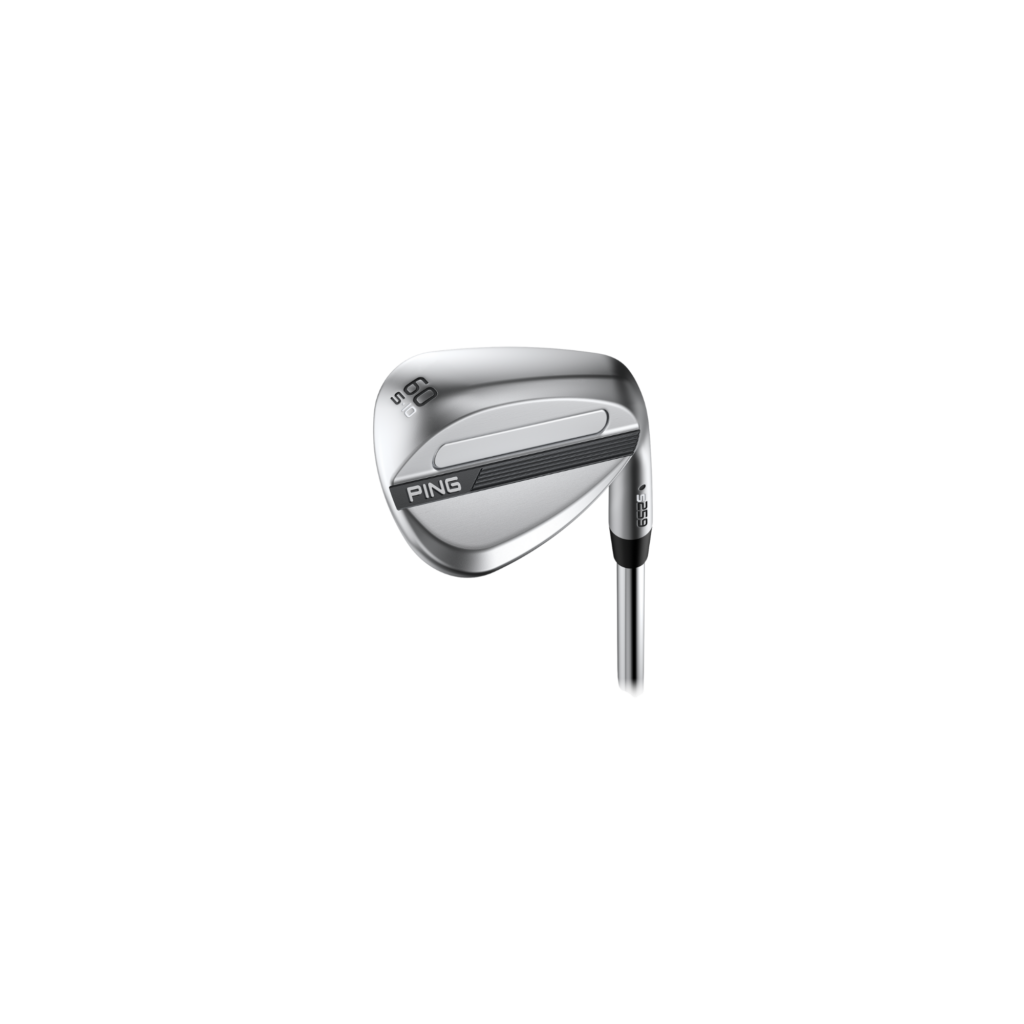
Our five-wedge Meta Review guide compares PING s259, Callaway Opus SP and SP+, Mizuno Pro T-1, and Titleist Vokey SM11. It explains exact grind menus, independent agreement, conflicts, evidence confidence, and why the highest score is not the right sole for everyone.
Buying Mistakes to Avoid
- Copying loft gaps without checking the set pitching wedge.
- Choosing low bounce because it sounds more versatile.
- Testing only from a mat.
- Using a range ball for a spin and rollout decision.
- Replacing a well-fit, unworn wedge simply because a new model launched.
Bottom Line
Fit the gap wedge for distance, the sand wedge for turf and bunker interaction, and the highest loft only for a job it can prove. Loft starts the map; delivery and sole shape finish it.