How to read this guide
USA Golf Magazine did not physically test these wedges. We audited exact-model independent launch-monitor tests, on-course reviews, multi-player panels, and official specifications. The scores are Meta Review judgments from that combined evidence, not USA Golf hands-on results. Reference prices were checked August 2, 2026.
The best wedge for a mid-handicapper is not automatically the one that spins most in a single test. It is the wedge whose loft, bounce, grind, head shape, and shaft give you predictable contact from the lies you actually face.
Our broadest guided starting point is the PING s259. The Callaway Opus SP is the controlled-flight all-rounder, while the Mizuno Pro T-1 rewards the player who values forged feel and a compact shape. The Opus SP+ is a premium specialist rather than an automatic upgrade. The Titleist Vokey SM11 earns the highest overall score and remains the fitter’s benchmark because of its unusually complete grind matrix.
At-a-Glance: Five Wedges, Five Fitting Jobs
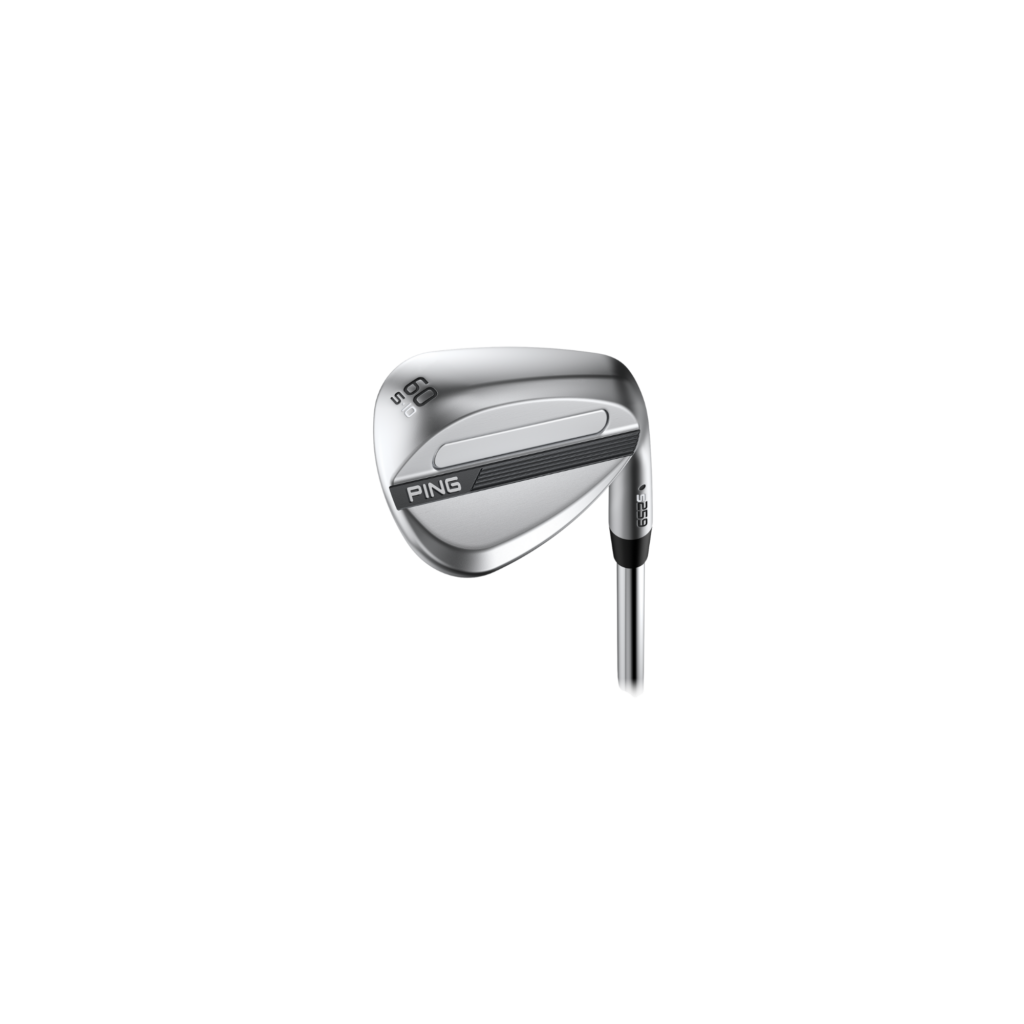
Guided grind fit
PING s259
8.8/10 · Confidence A
Six grinds, a useful online fitting path, and strong control evidence. It is premium-priced and not a necessary upgrade from an unworn, well-fit s159.
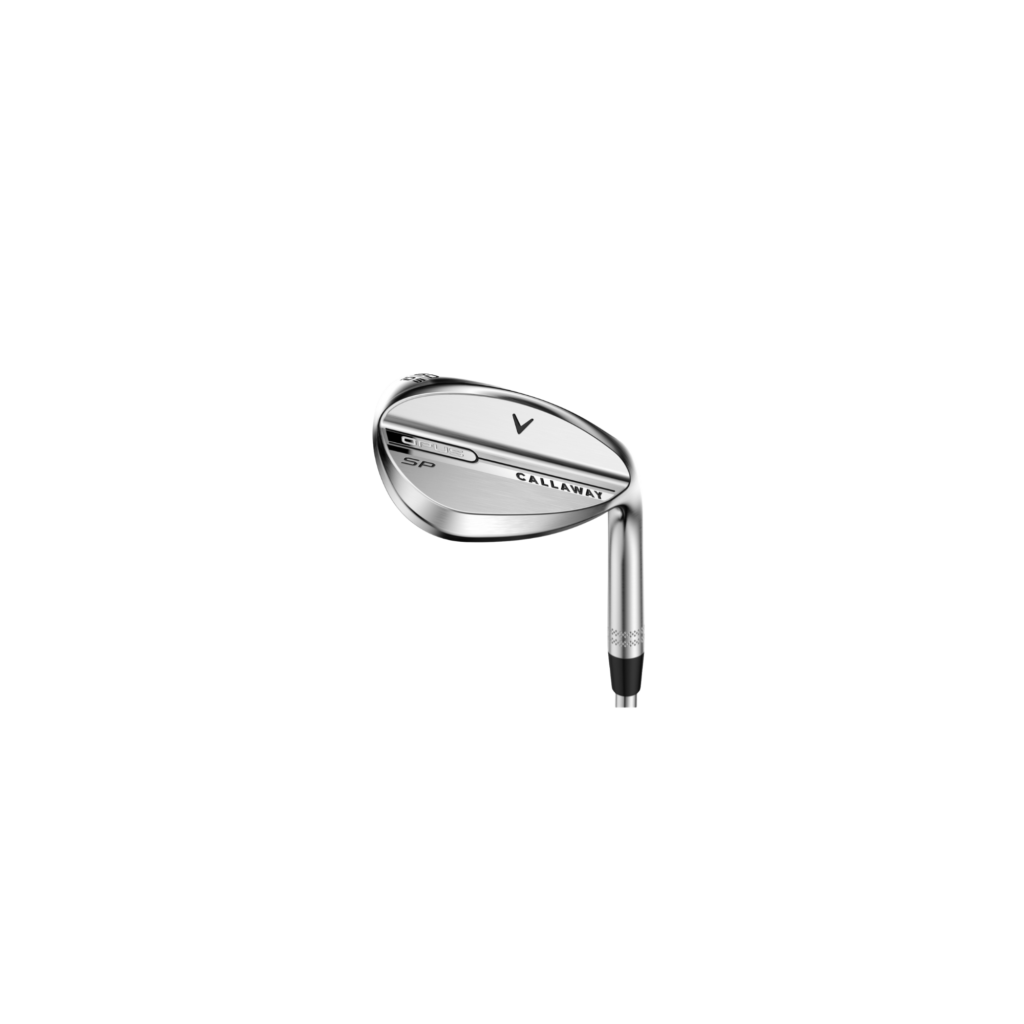
Controlled-flight all-rounder
Callaway Opus SP
8.9/10 · Confidence A
Strong spin consistency, lower flight, and broad grind choice at $199.99. The compact shape is less confidence-building than a cavity-back wedge.
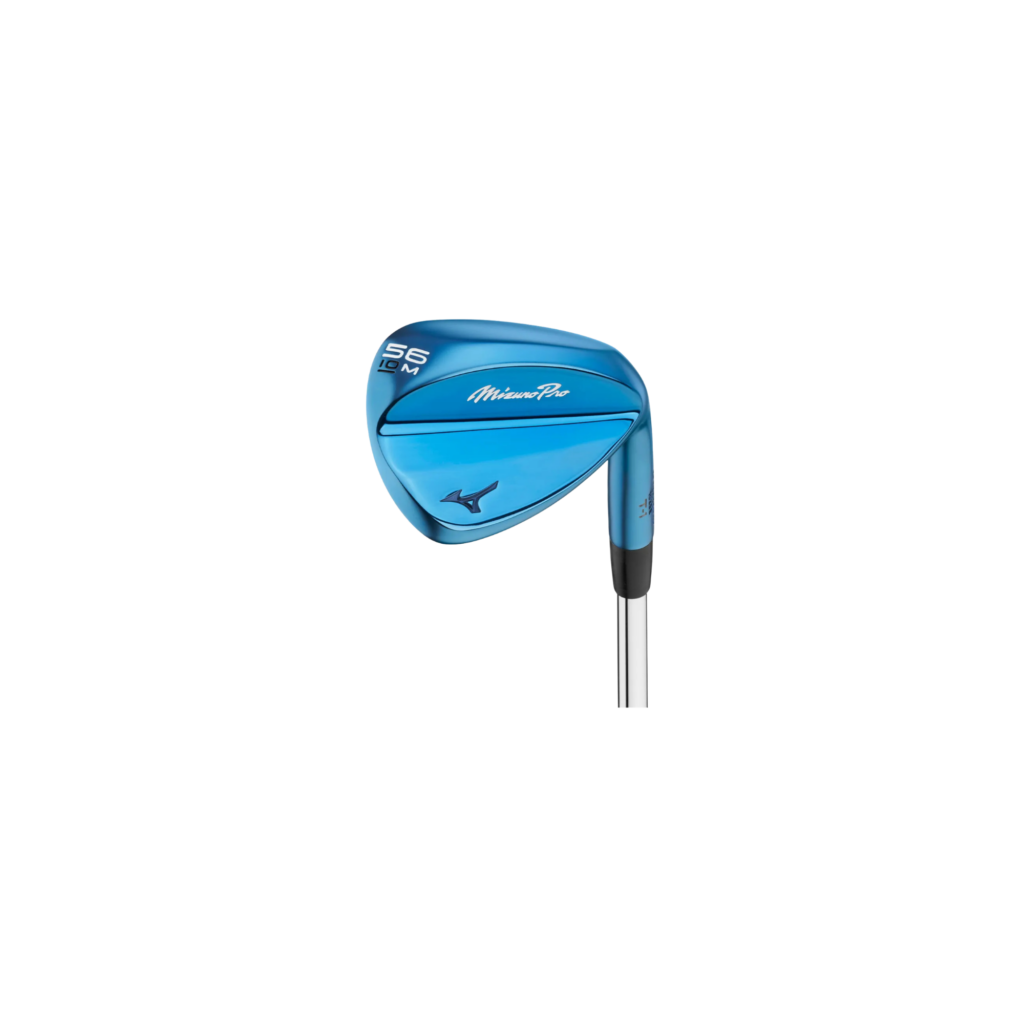
Forged feel and choice
Mizuno Pro T-1
8.9/10 · Confidence A
Six soles, multiple finishes, standout feel, and a $180 reference price. Fuller-shot forgiveness is the tradeoff.
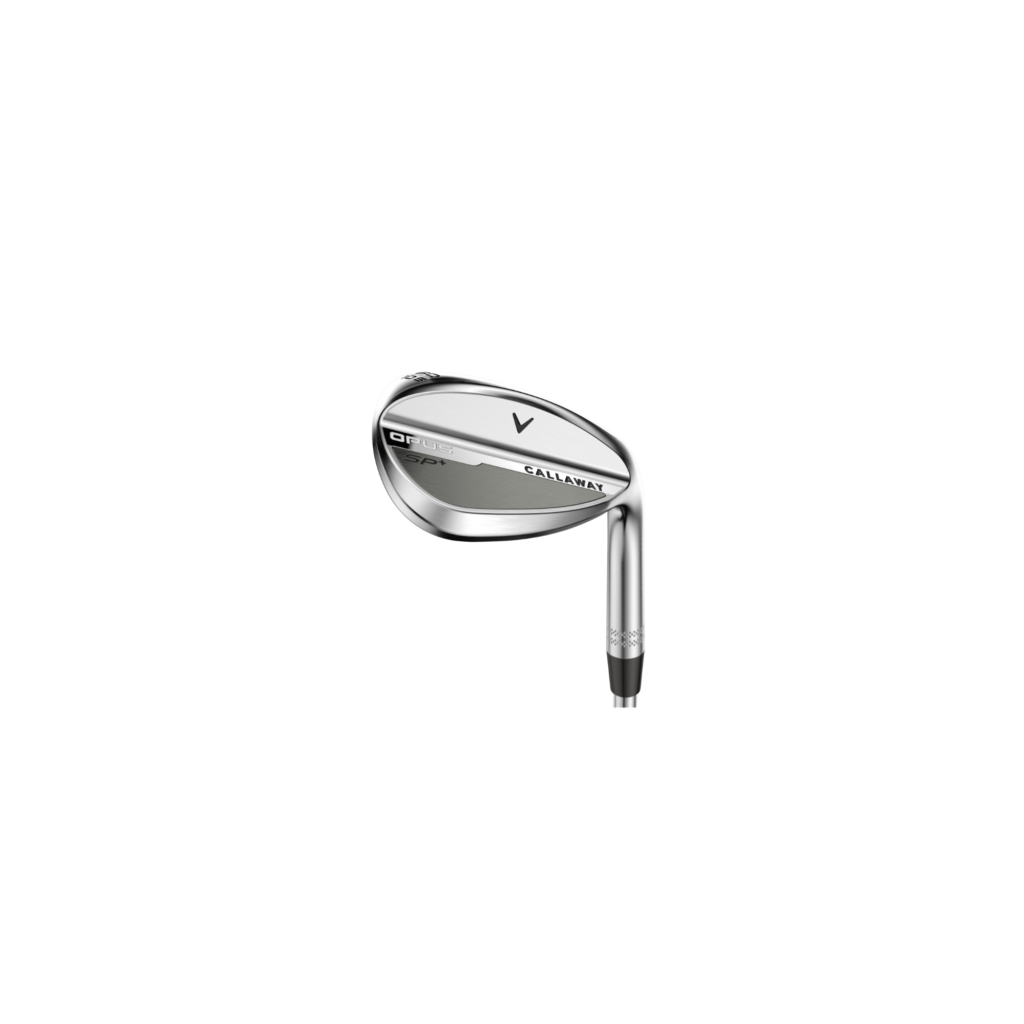
Premium flight specialist
Callaway Opus SP+
8.8/10 · Confidence B
Softer feel and a slightly lower, more controlled window. At $229.99 with three grinds, the improvement must appear in your fitting.
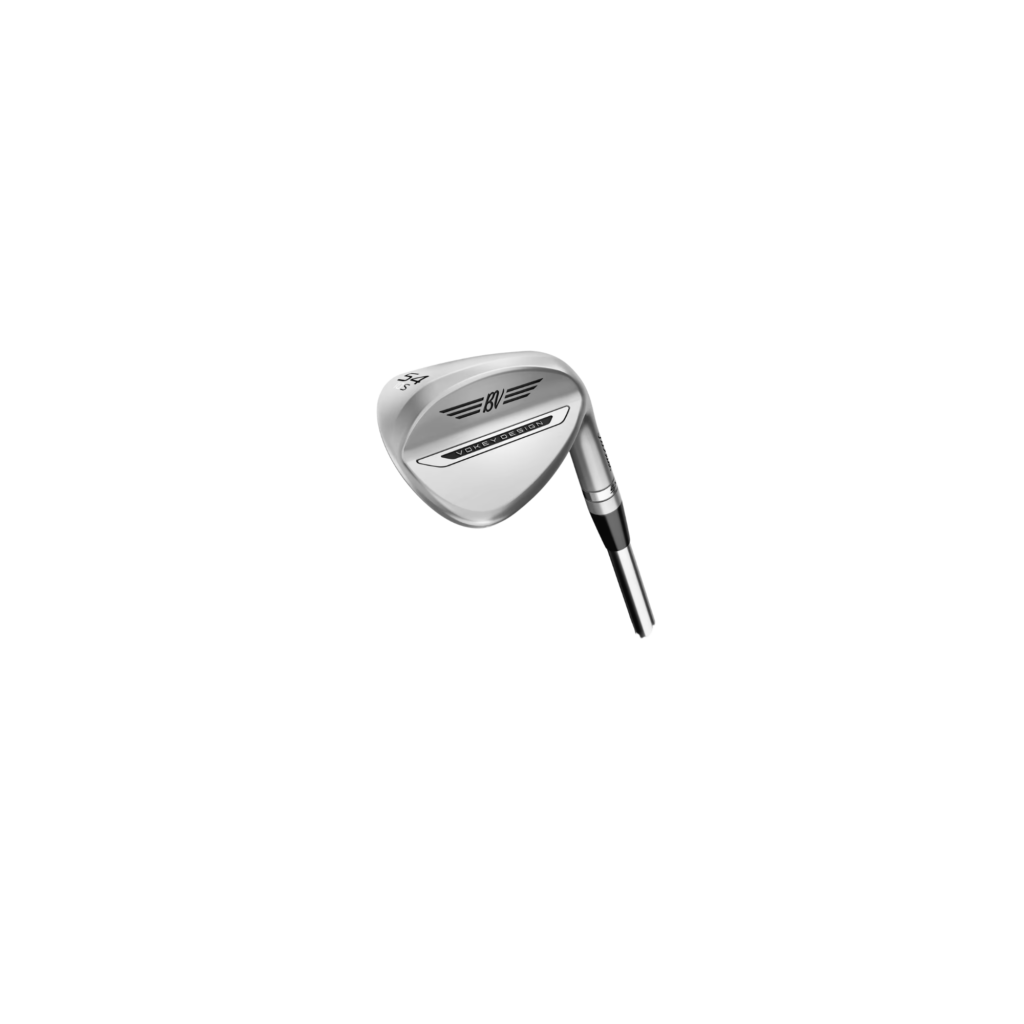
Fitter benchmark
Titleist Vokey SM11
9.1/10 · Confidence A
The deepest verified grind matrix here with excellent turf and bunker evidence. Some panelists found the head a touch heavy.
Quick Fit Map
Start With Your Wedge Job, Not the Badge
Before choosing a model, write down the job of each wedge. A gap wedge used mostly for full swings may benefit from the most forgiving shape available. A sand wedge needs enough effective bounce for your delivery and usual turf. A lob wedge should earn its place by solving shots you actually hit, not by carrying the highest loft in the shop.
- Check the pitching-wedge loft first. Modern iron sets can leave a large gap before a traditional 52-degree wedge.
- Match bounce to delivery and conditions. Steeper players and soft turf generally need more help from the sole; shallow players and firm lies may prefer less.
- Test from grass and sand. A mat can hide digging and make low-bounce options look friendlier than they are.
- Use your ball. Launch, spin, feel, and rollout change with the ball as well as the wedge.
- Judge the pattern. Carry dispersion and predictable strike beat one unusually high-spin shot.
1. Titleist Vokey SM11 — Best Overall Fitter Benchmark
The SM11 earns the highest score because its evidence is deep and its fitting system is unusually complete. Titleist lists lofts from 46 to 62 degrees and six standard grinds: F, S, M, K, L, and D. That range lets a fitter separate a fuller-swing gap wedge from a sand or lob wedge instead of forcing one sole idea through the whole set.
Independent findings align across methods. Golf Monthly combined Foresight GC3 data with full shots, chips, and bunker play. Plugged In Golf supplied another exact-model test, while the Golf Digest Hot List panel repeatedly praised bunker control, stopping power, turf interaction, and feel. The dissent is useful: a few panelists thought the head felt heavy.
Best for: the mid-handicapper willing to test bounce and grind from real turf. Skip or compare: if you want a visibly larger cavity-back shape or if the standard head feel slows your release. The $199 reference price is competitive within this premium group, but the value comes from choosing the right configuration.
Meta score: 9.1/10 · Confidence A
Gapping 8.9 · Direction 9.2 · Forgiveness 8.8 · Spin/flight 9.3 · Grind/turf fit 9.7 · Feel 9.3 · Looks 9.2 · Value 8.1 · Ownership/durability Not Rated. 6 sources audited; 4 original evidence units; 95% coverage.
2. Callaway Opus SP — Best Controlled-Flight All-Rounder
The standard Opus SP is the smarter Callaway starting point for most readers. It combines a lower, more controlled flight with five current grind families and a $199.99 reference price. That gives a fitter more ways to solve turf interaction than the pricier SP+.
In Golf Monthly’s GC3 test, the reviewer saw roughly 7,400 rpm on a 50-yard pitch and gained confidence as he adjusted to the lower window. He also warned that the older comparison wedge had more wear, so the exact new-versus-old gap should not be overstated. Plugged In Golf found notably consistent spin even on slight thin, heel, and toe strikes; on-course and Hot List evidence supports the touch and bunker case.
Best for: the player who wants a compact premium wedge, predictable partial-shot spin, and useful grind choice. Skip or compare: if a larger head builds confidence or most wedge shots are full swings. Compare a cavity-back wedge before assuming tour shaping helps.
Meta score: 8.9/10 · Confidence A
Gapping 8.8 · Direction 9.2 · Forgiveness 8.6 · Spin/flight 9.2 · Grind/turf fit 9.2 · Feel 9.0 · Looks 8.6 · Value 8.1 · Ownership/durability Not Rated. 6 sources audited; 4 original evidence units; 95% coverage.
3. Mizuno Pro T-1 — Best Feel and Configuration Value
The Pro T-1 is the best fit here for a confident striker who wants a traditional forged head, six sole profiles, and multiple finish choices without paying the highest price in the group. Mizuno’s $180 reference price strengthens the value case.
The evidence also draws a clean boundary. Golf Monthly praised the soft feel, control, and compact teardrop shape but later testing notes that mishits can lose ball speed on fuller swings. Plugged In Golf’s T-1/T-3 comparison found the larger T-3 slightly more consistent in ball speed. The Golf Digest panel supported the shotmaking and easy-to-open sole while preserving a minority concern about full-swing sound and feedback.
Best for: the mid-handicapper whose center contact is reliable and who values feel, sole choice, and appearance. Skip or compare: if full-swing miss protection is the main need; the Mizuno Pro T-3 is the logical same-brand comparison.
Meta score: 8.9/10 · Confidence A
Gapping 8.8 · Direction 9.2 · Forgiveness 8.1 · Spin/flight 9.1 · Grind/turf fit 9.5 · Feel 9.4 · Looks 9.3 · Value 8.7 · Ownership/durability Not Rated. 6 sources audited; 4 original evidence units; 95% coverage.
4. PING s259 — Best Guided Grind-Fitting Path
PING makes the intimidating part of wedge shopping more approachable. The s259 offers six named grinds and an official WebFit Wedge tool, giving golfers a structured first filter before they test from turf. The wide selection also makes it easier to blend a full-swing gap wedge with a more versatile sand or lob wedge.
Golf Monthly tested the s259 on a GC3 and on the course with a Pro V1x, finding a flatter-than-expected controllable flight and strong spin retention. Golf Digest’s panel reinforced the short-game, bunker, and soft-landing case. MyGolfSpy supplied the right value caveat: this is a must-demo new purchase, not a compelling reason to replace unworn s159 wedges that already fit.
Best for: the golfer who needs a broad, guided grind menu and predictable greenside performance. Skip or compare: if your recent PING wedges still have healthy grooves and the right sole. PING’s official page did not expose a stable U.S. reference price in our check, so confirm the current fitted build price before comparing value.
Meta score: 8.8/10 · Confidence A
Gapping 8.7 · Direction 8.8 · Forgiveness 9.0 · Spin/flight 9.0 · Grind/turf fit 9.5 · Feel 8.8 · Looks 8.9 · Value 7.8 · Ownership/durability Not Rated. 6 sources audited; 3 original evidence units; 95% coverage.
5. Callaway Opus SP+ — Best Premium Lower-Flight Specialist
The Opus SP+ is not ranked above the standard SP because its improvements are narrower than its price premium. Callaway lists three grinds and a $229.99 reference price. Its job is to produce a slightly lower flight, more spin consistency, and softer feel for the player who can see and use those differences.
Golf Monthly’s direct comparison found those refinements but called the gains subtle for most golfers. National Club Golfer added a distinct GCQuad test with a new Pro V1x. That is enough for a score, but only two independent quantitative units support the exact SP+ model, so its evidence confidence remains B.
Best for: the golfer whose launch monitor shows a repeatable lower-flight or spin-consistency benefit. Skip or compare: if the standard Opus SP performs similarly, if you need a grind outside Z/X/S, or if value matters more than a small trajectory refinement.
Meta score: 8.8/10 · Confidence B
Gapping 8.9 · Direction 9.1 · Forgiveness 8.5 · Spin/flight 9.4 · Grind/turf fit 8.5 · Feel 9.3 · Looks 8.8 · Value 7.4 · Ownership/durability Not Rated. 5 sources audited; 2 original evidence units; 95% coverage.
What Changed From the Original Guide
The earlier guide listed a “Vokey SM10 Tour Toe” as a specialty high-loft wedge. Titleist’s Tour Toe option is actually a cosmetic stamping treatment available on ordinary SM10 loft/grind configurations, not a separate performance head. This new guide uses the current SM11 instead and judges the wedge by its real loft-and-grind system.
We also stopped treating five excellent wedges as one linear best-to-worst list. The scores show evidence quality and overall purchase case, but the fit labels decide which club belongs in your test. A 9.1 wedge with the wrong bounce is a worse purchase than an 8.8 wedge whose sole moves through your turf cleanly.
How the Meta Review Score Works
For wedges, the score weights gapping, direction, forgiveness, and spin/flight at 15% each; grind/turf fit and value at 10% each; feel and looks at 7.5% each; and ownership/durability at 5%. Ownership evidence was insufficient for every model, so that component is marked Not Rated and the supported 95% is normalized.
Official product pages verify configuration and price but never count as independent performance votes. A confidence grade measures evidence strength, not how good the wedge is. Grade A requires multiple high-quality independent units and more than one method; B means the exact model has useful quantitative support but a smaller evidence base.
Final Verdict
Start with Vokey SM11 if you can access a thorough outdoor fitting; start with PING s259 if you want the clearest guided path into grind selection. Choose Opus SP for controlled flight and broad all-round performance, Pro T-1 for forged feel and configuration value, and SP+ only when its premium refinement is measurable.
Whichever head you prefer, fit the set from the pitching wedge outward, test from grass and sand with your ball, and judge carry dispersion and contact quality. The stamp on the back matters far less than the sole under the ball.