Research basis
USA Golf Magazine did not physically test these balls. This guide compares robot testing, standardized launch-monitor records, named individual reviews, and official specifications. Several products changed generation in 2026, so no older number is transferred and every overall remains Not Rated.
Slower swing speed does not automatically mean lower compression. The better question is whether your ball produces enough launch and iron spin while keeping driver flight and short-game behavior predictable.
Five Different Ball-Flight Jobs
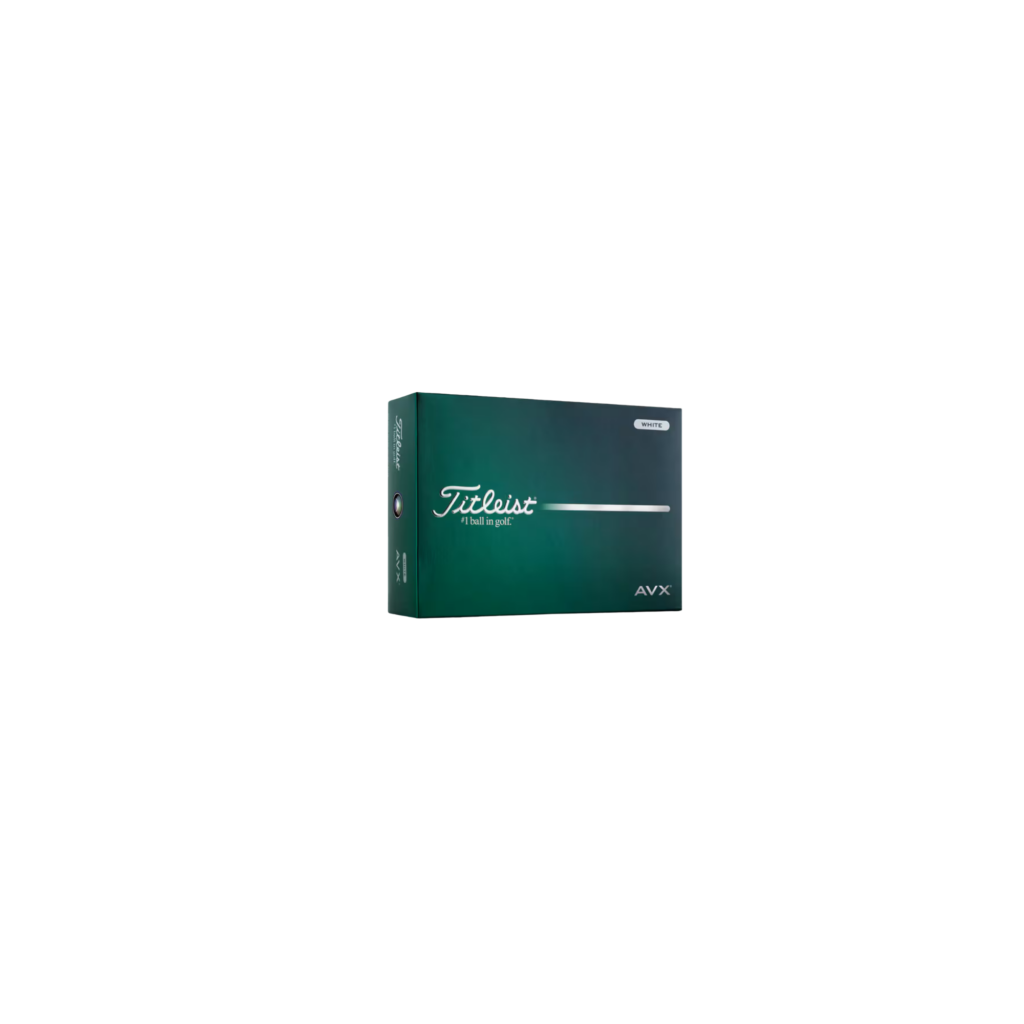
Lower-flight test
Titleist AVX
Overall: Not Rated · Evidence C
A logical test for a golfer fighting excess launch or spin. The exact generation matters; older robot numbers cannot be assigned to a redesign.
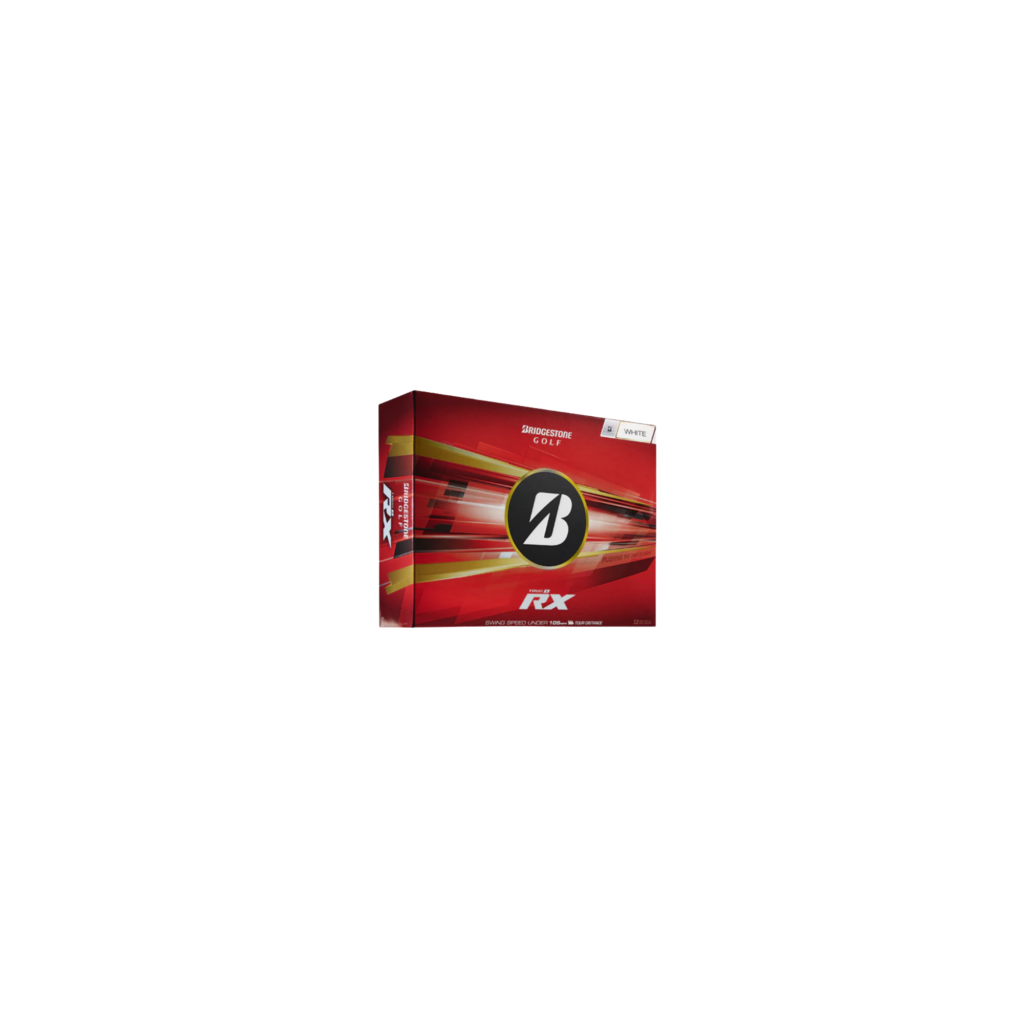
Moderate-speed tour option
Bridgestone Tour B RX
Overall: Not Rated · Evidence C
The 2025 shared robot test supports a moderate-speed fit and predictable profile, but current-generation continuity must be verified.
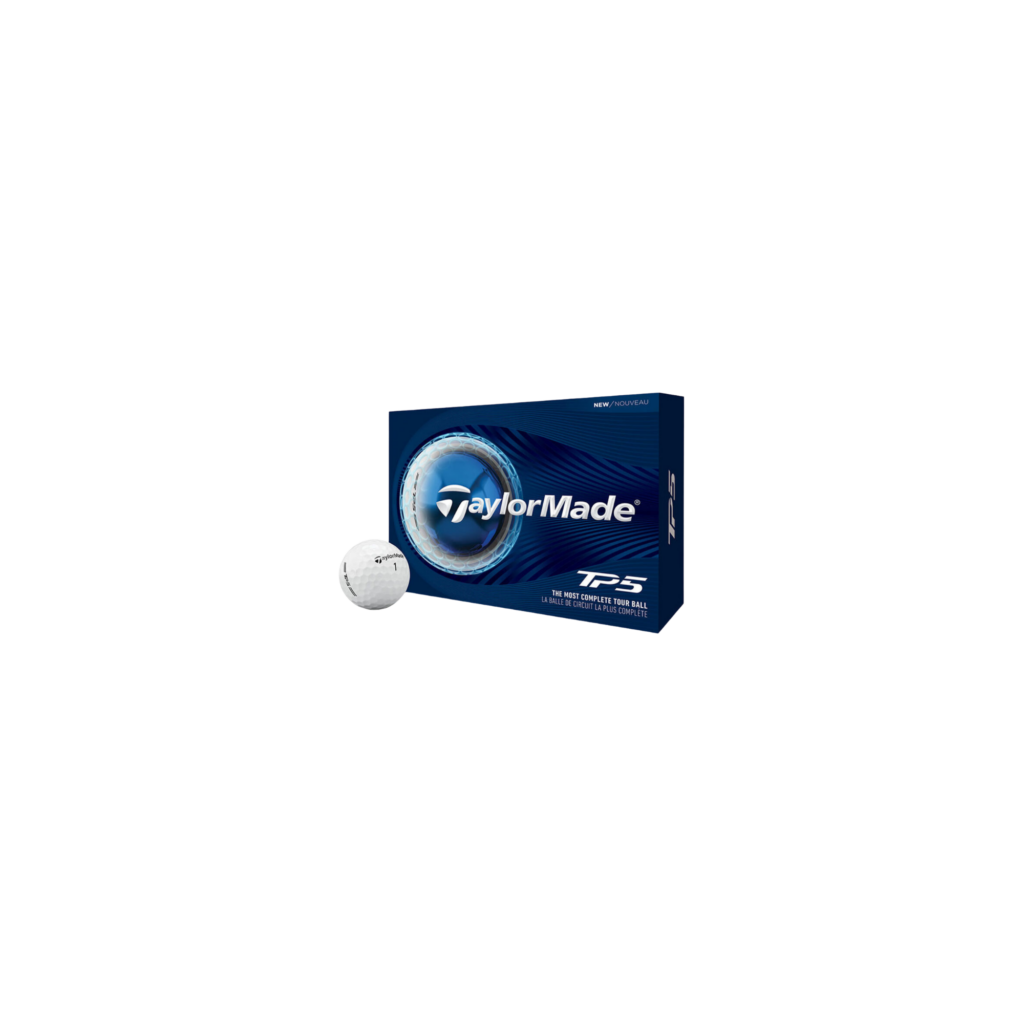
Softer tour feel
TaylorMade TP5 (2026)
Overall: Not Rated · Evidence C
Exact-model robot and named GC3 evidence exists, but the public evidence does not yet include two independent quantitative tests conducted at slower swing speeds.
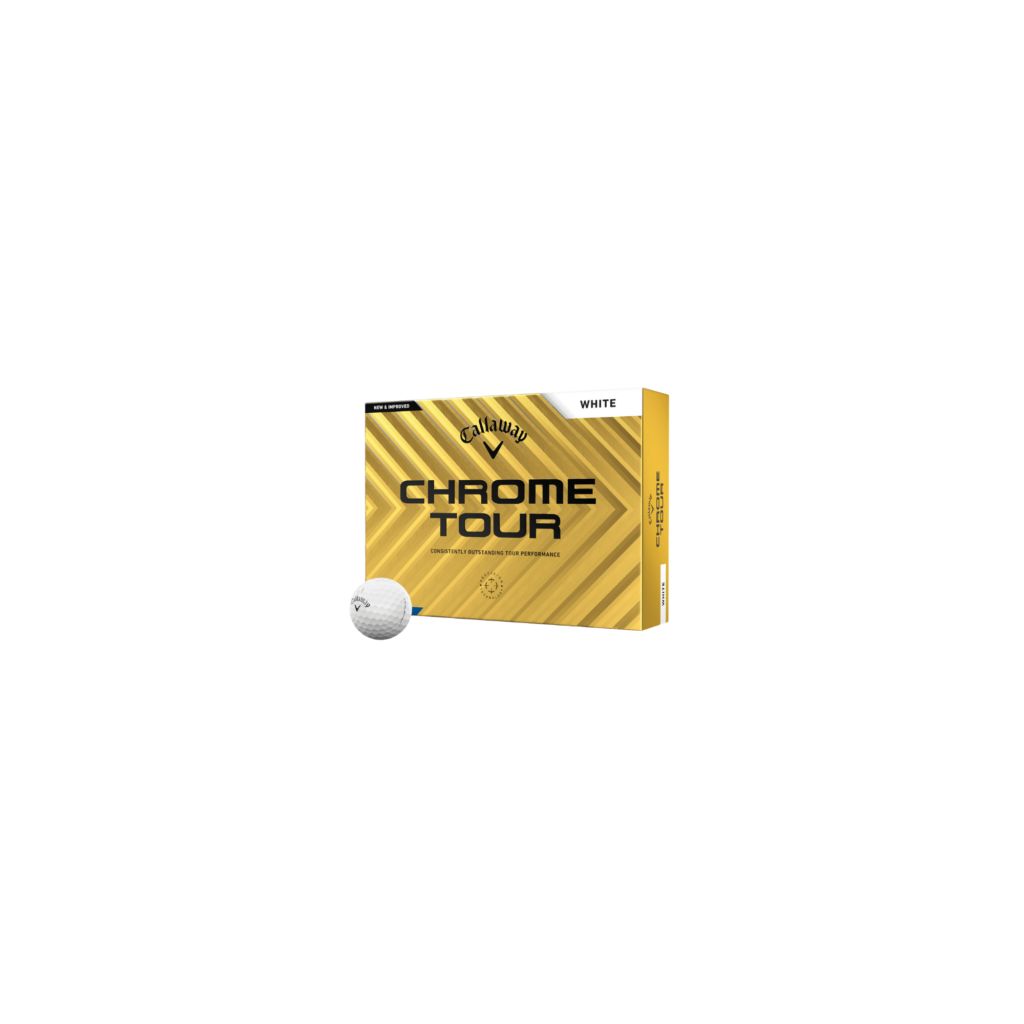
Lower-spin speed
Callaway Chrome Tour (2026)
Overall: Not Rated · Evidence C
A named GC3 review supports the low-spin profile. One fast tester’s carry number is not a slower-player distance promise.
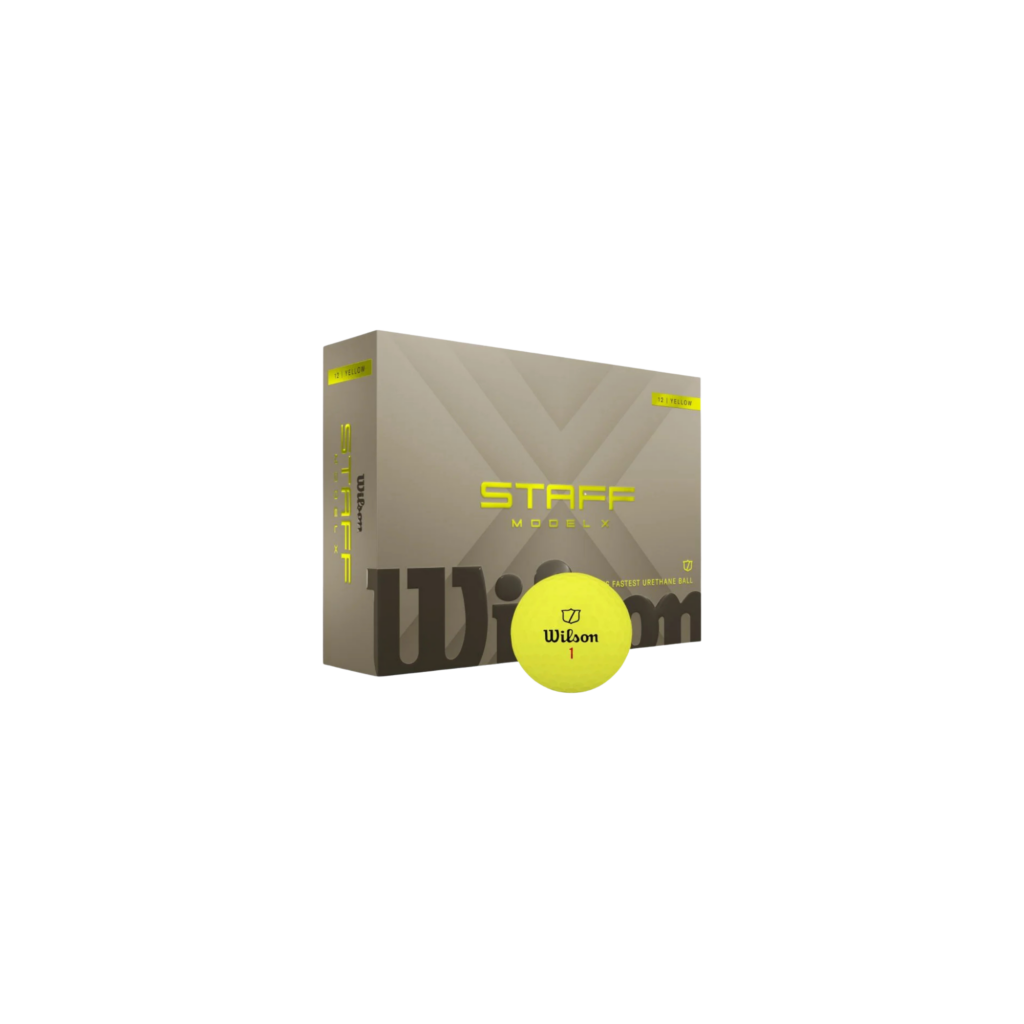
Higher-spin control test
Wilson Staff Model X
Overall: Not Rated · Evidence C
The shared robot evidence makes it a useful opposite-window candidate. A second independent exact-model test is still required.
The Strongest Finding: Compression Is Not a Speed Limit
MyGolfSpy’s 2025 robot test included slow-, mid-, and high-speed conditions and cautioned that many slower players can benefit from the trajectory and spin of firmer balls. Today’s Golfer’s separate robot work also shows why one model can rank differently with driver, iron, and wedge. A soft-feeling ball can be useful, but feel alone does not choose the flight window.
Why These Products Are Not Scored Yet
The newest TP5 and Chrome Tour have useful exact-model evidence, but the named testers generated much more speed than the reader this guide targets. The shared 2025 robot test covers several other candidates, while a 2024 robot test may represent an older construction. Scoring a 2026 box from a 2025 ball would hide the most important uncertainty.
Each card therefore shows a fit job and an evidence grade, not a fabricated distance ranking. Until a second independent, exact-generation test at slower swing speed becomes available, the products remain Not Rated.
What Each Ball Should Prove
Titleist AVX
AVX should prove that its lower-flight, lower-spin window improves your driver or wind performance without taking away too much iron height or wedge control. A golfer who already launches low should not select it simply because the feel is soft.
Bridgestone Tour B RX
Tour B RX should prove that a moderate-speed premium construction creates a balanced flight across the bag. The 2025 robot evidence makes it a credible starting point, but confirm the box generation and do not transfer the test result to a redesigned model without checking.
TaylorMade TP5 (2026)
TP5 should prove that its softer tour feel comes with enough driver speed and a useful scoring-club window for you. The exact-model GC3 review is informative, yet the tester’s speed means the absolute carry cannot be used as your prediction.
Callaway Chrome Tour (2026)
Chrome Tour should prove that lower driver spin produces more useful carry rather than a shot that drops early. Check mid-iron stopping behavior carefully. The independent exact-model review found a low-spin driver and iron profile for one fast player.
Wilson Staff Model X
Model X is the opposite-window control. Test it when more spin and stopping power may help the approach game, then confirm that the driver does not climb or curve too much. Its value is comparative: it reveals whether low spin was really your problem.
Construction and Quality Signals
Robot testing can expose balls that fly offline even with a repeatable strike, while construction inspections can identify weight or concentricity concerns. Those findings apply to the tested sample and production window. They should not become a permanent defect rate for every dozen with the same name.
Price and Replacement Cost
Value is cost per playable round, not only price per dozen. A premium ball can be good value when its flight clearly improves the decision and the cover lasts. A cheaper ball can be the better choice when the performance difference is negligible or the course makes losses common. Check current U.S. price on the day you buy; promotional dozen prices move frequently.
Three Sleeves Beat One Dozen
Choose three contrasting candidates: one lower-flight/lower-spin option, one balanced option, and one ball that adds iron or wedge spin. Use the same three balls through a short on-course test.
- Hit driver shots on two holes where carry and curve are easy to judge.
- Hit one mid-iron into a green and note peak height, landing angle, and rollout.
- Pitch from 40 to 70 yards and compare carry plus first-bounce behavior.
- Chip and putt last; sound and feel matter, but they should break a performance tie rather than create one.
If you have launch-monitor access, compare medians rather than the longest ball. Keep strike quality bands tight and use the exact same club setup.
For a whole-bag comparison process, use our evidence-based golf-ball fit map to compare driver window, iron stopping, wedge predictability, and feel.
Principal Evidence
The main cross-model source is the 2025 MyGolfSpy robot test. Today’s Golfer’s robot test is a separate method but applies only to the exact generations it tested. Golf Digest provides an exact 2026 TP5 robot and player-panel page. Golf Monthly supplies named exact-model GC3 reviews of the 2026 TP5 and 2026 Chrome Tour.
Bottom Line
Use AVX when excess launch or spin is the problem, Tour B RX as a moderate-speed premium starting point, TP5 when softer tour feel matters, Chrome Tour when you need to test a lower-spin speed window, and Model X when more spin may improve the approach game. Buy sleeves, not a season’s supply, until your own flight confirms the choice.