Quick Answer
Complete Fairway Wood and Hybrid Buying Guide 2026: Loft Gapping, Flight Windows, and Turf Fit: A complete 2026 fairway wood and hybrid buyer's guide covering loft gapping, launch windows, turf-fit behavior, and eight cross-brand model picks.
- Category: Buyer's Guide
- Read Time: 5 min
- Best Use: Apply this as your first decision framework, then validate with your own data.
This 2026 buying guide is built to answer one expensive question: should your next long-game upgrade be a fairway wood, a hybrid, or a split setup with both. We structured this guide around real fitting variables that move scores: loft gapping, flight windows, and turf-fit behavior.
Instead of chasing one headline spec, use this framework to build repeatable carry windows and cleaner strike patterns from tee, fairway, and rough.
Class Fit Snapshot: Fairway Wood vs. Hybrid
Comparison Table
| Club Type | Primary Role | Launch/Spin Tendencies | Best Use Case | Common Trade-Off |
|---|---|---|---|---|
| 3W / 4W / 5W Fairway | Long carry and soft-landing approach support | Higher launch potential with wider carry windows | Tee shots, long par-5 second shots, and high-hold approaches | Can be harder from heavy rough for steeper players |
| 7W / 9W Fairway | High-launch gap control | Higher peak with moderate spin retention | Replacing low-launch long irons for landing-angle control | Can overlap hybrid distances without proper loft mapping |
| 3H / 4H / 5H Hybrid | Versatile iron replacement and rough recovery | Mid-high launch, generally steeper descent than long irons | Rough exits, variable lies, and controlled top-end gapping | Some models can turn over left for stronger players |
2026 Fit Themes You Should Build Around
- Loft gapping: The expanded Qi4D adjustability now reaches higher-lofted fairways, giving you tighter 15 to 20-yard windows through 5W, 7W, and 9W setups.
- Flight windows: Titleist GT2 favors a stronger, penetrating delivery while Qi4D Max profiles are easier to launch high and land soft.
- Turf-fit: Callaway Quantum Step Sole design is a practical example of tech meant to reduce turf drag and preserve speed from heavier lies.
Comparison Table: Core 2026 Fairway and Hybrid Picks
Comparison Table
| Model | Product | Type | Launch Window | Forgiveness | Best For | Price Tier |
|---|---|---|---|---|---|---|
| TaylorMade Qi4D Fairway | 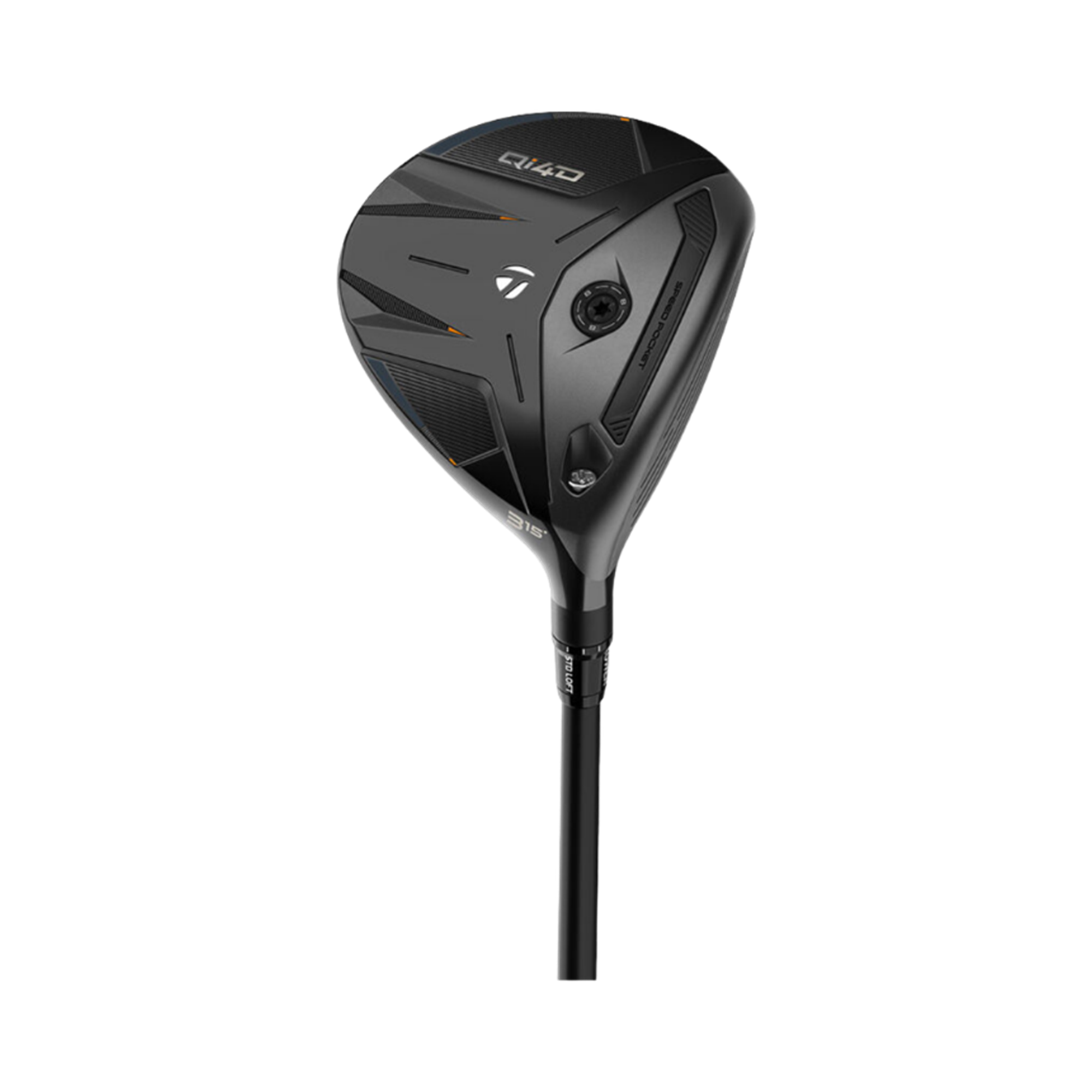 |
Fairway Wood | Mid-High / Tunable | High | Players building precise top-end yardage gaps with adjustable loft coverage | $$$ |
| Callaway Quantum Max Fairway | 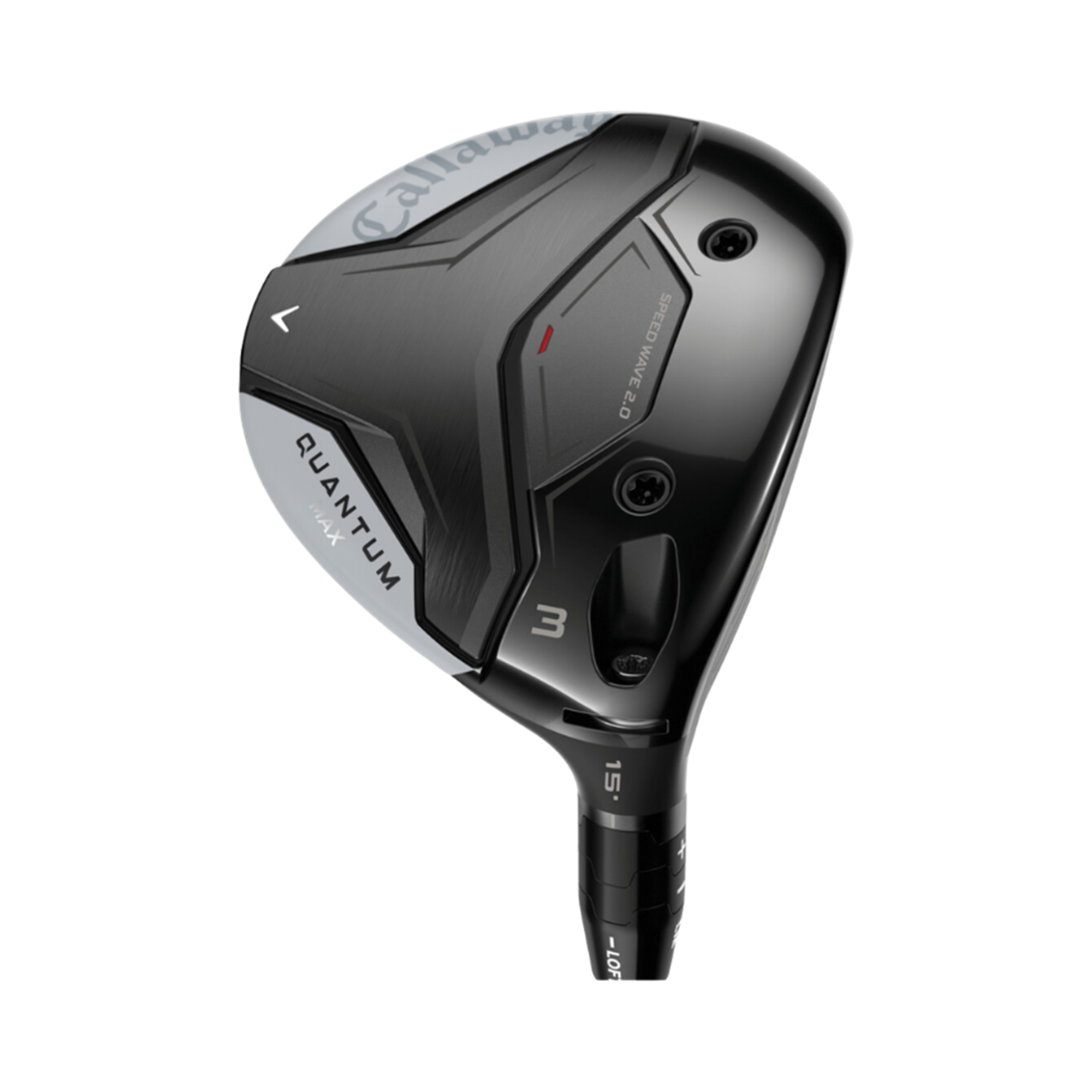 |
Fairway Wood | High | High | Golfers who need launch help and smoother turf interaction from mixed lies | $$$ |
| Titleist GT2 Fairway |  |
Fairway Wood | Mid / Penetrating | Medium-High | Players who want stronger flight with low-face speed retention from tight lies | $$$ |
| PING G440 MAX Fairway | 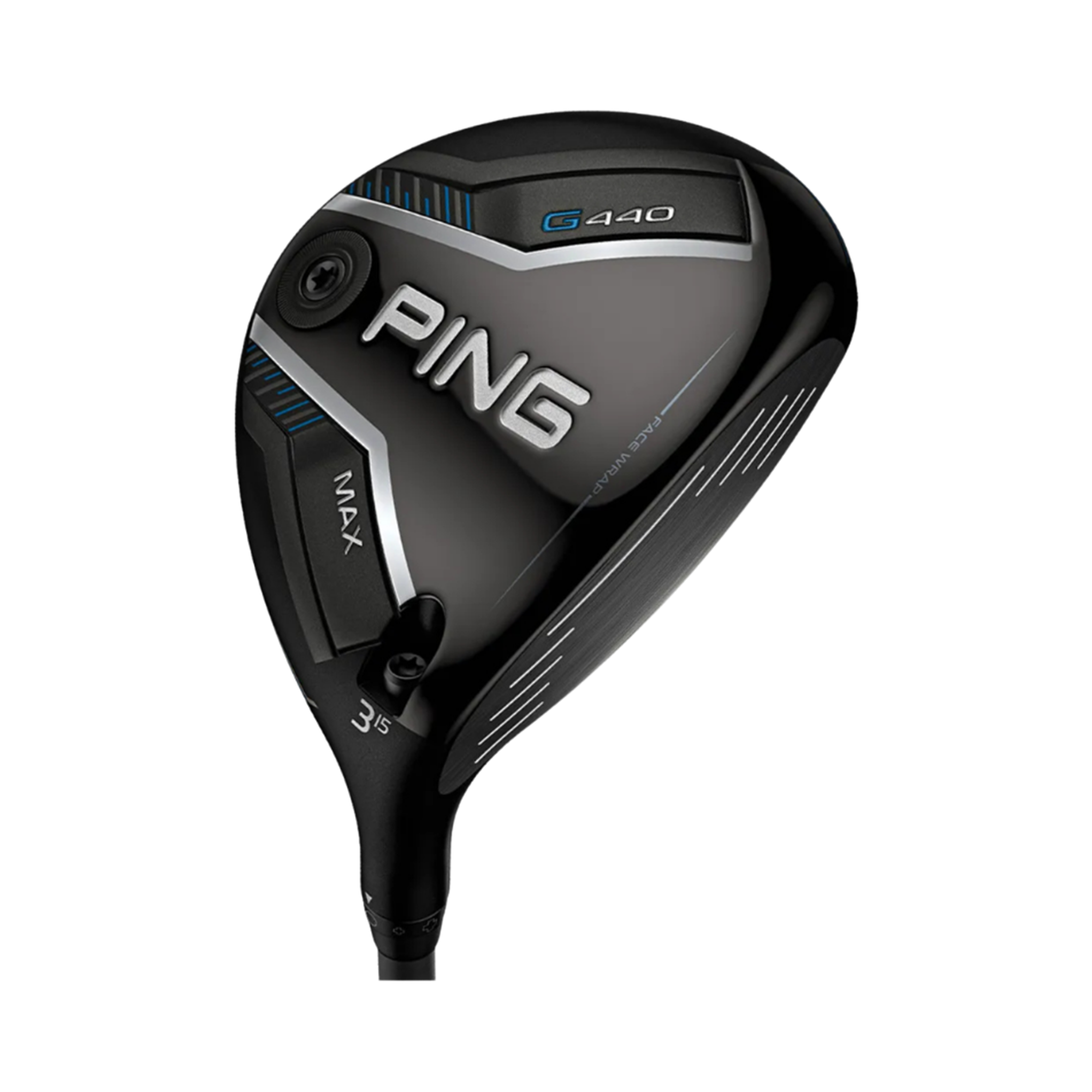 |
Fairway Wood | High | Highest | Consistency-first players who want launch stability and confidence off tee or deck | $$$ |
| TaylorMade Qi4D Max Rescue | 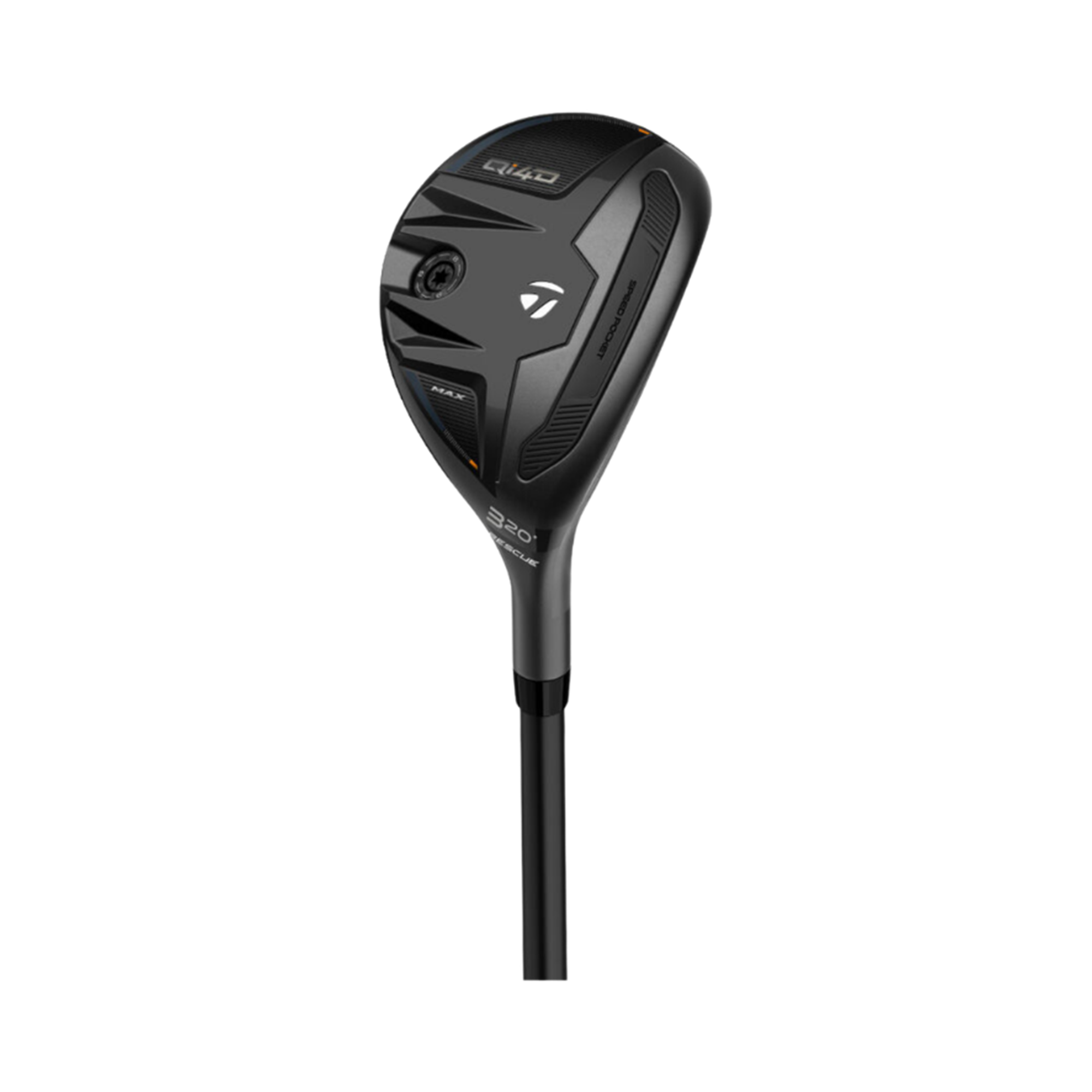 |
Hybrid | High | High | Golfers replacing long irons with easier launch and broad playability | $$ |
| Callaway Quantum Max OS Hybrid | 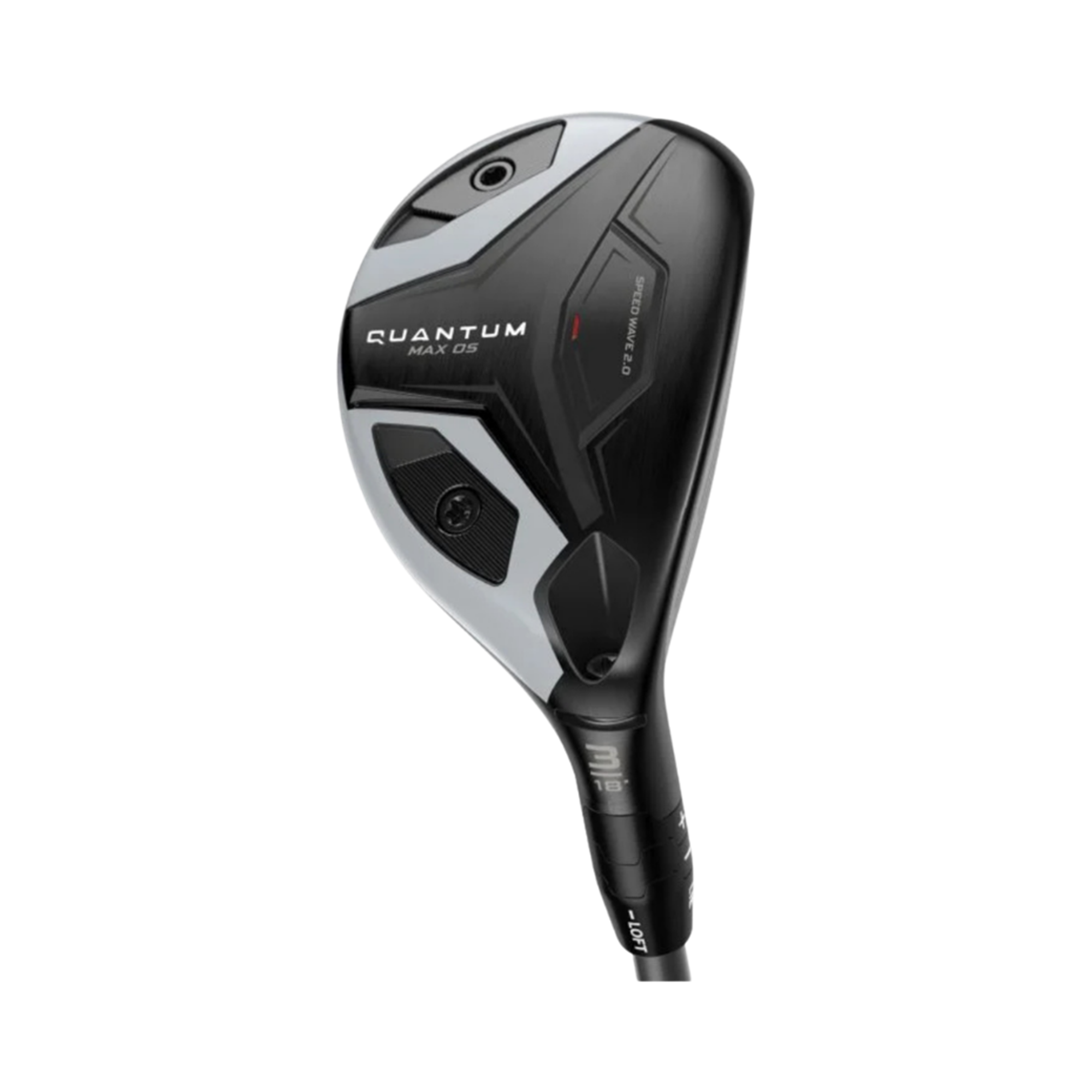 |
Hybrid | High | Highest | Players needing draw-bias help, high launch, and rough-friendly contact behavior | $$ |
| Cobra OPTM Hybrid | 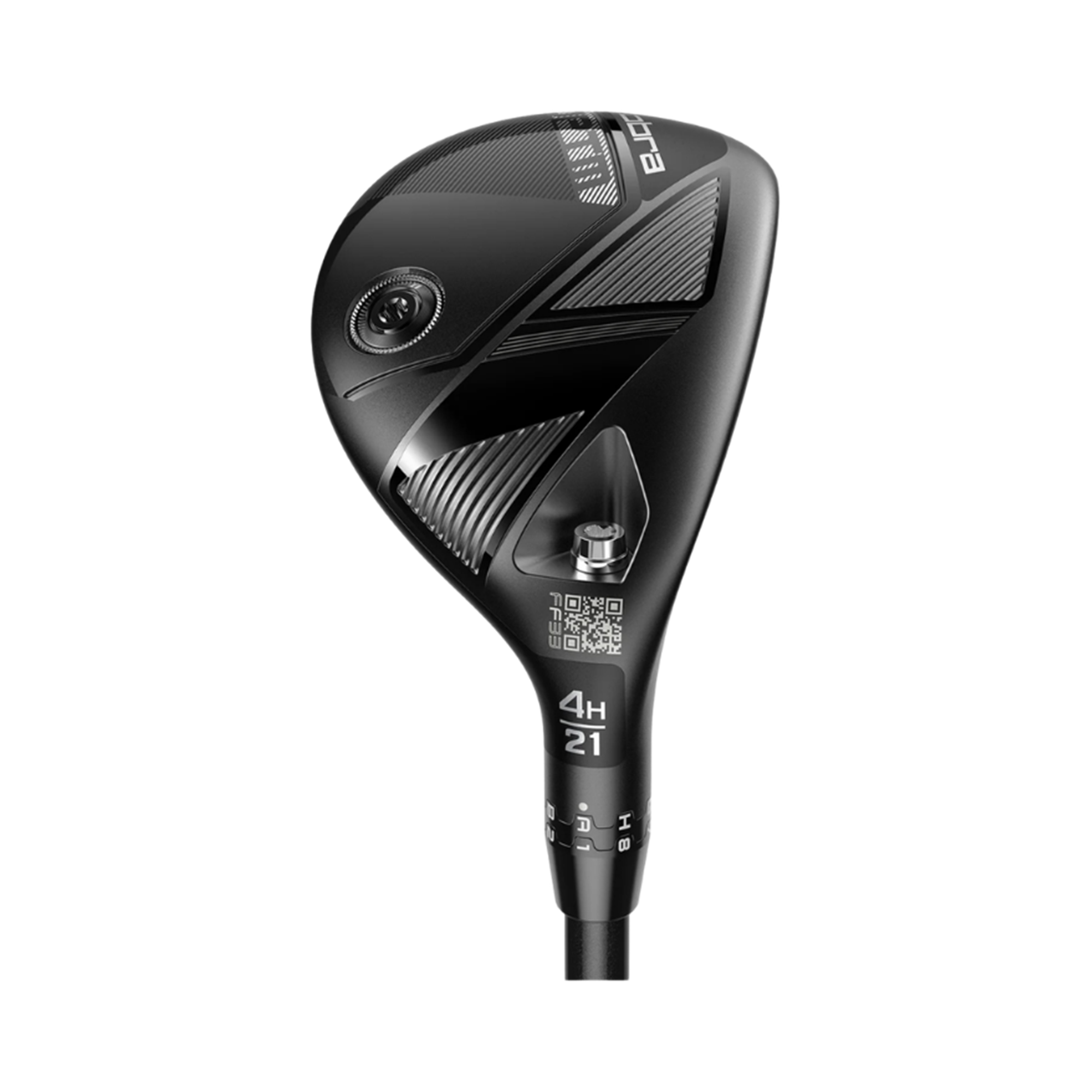 |
Hybrid | Mid-High / Tunable | High | Golfers who want broad lie/loft tuning with stable hybrid launch windows | $$$ |
| Mizuno JPX ONE Hybrid | 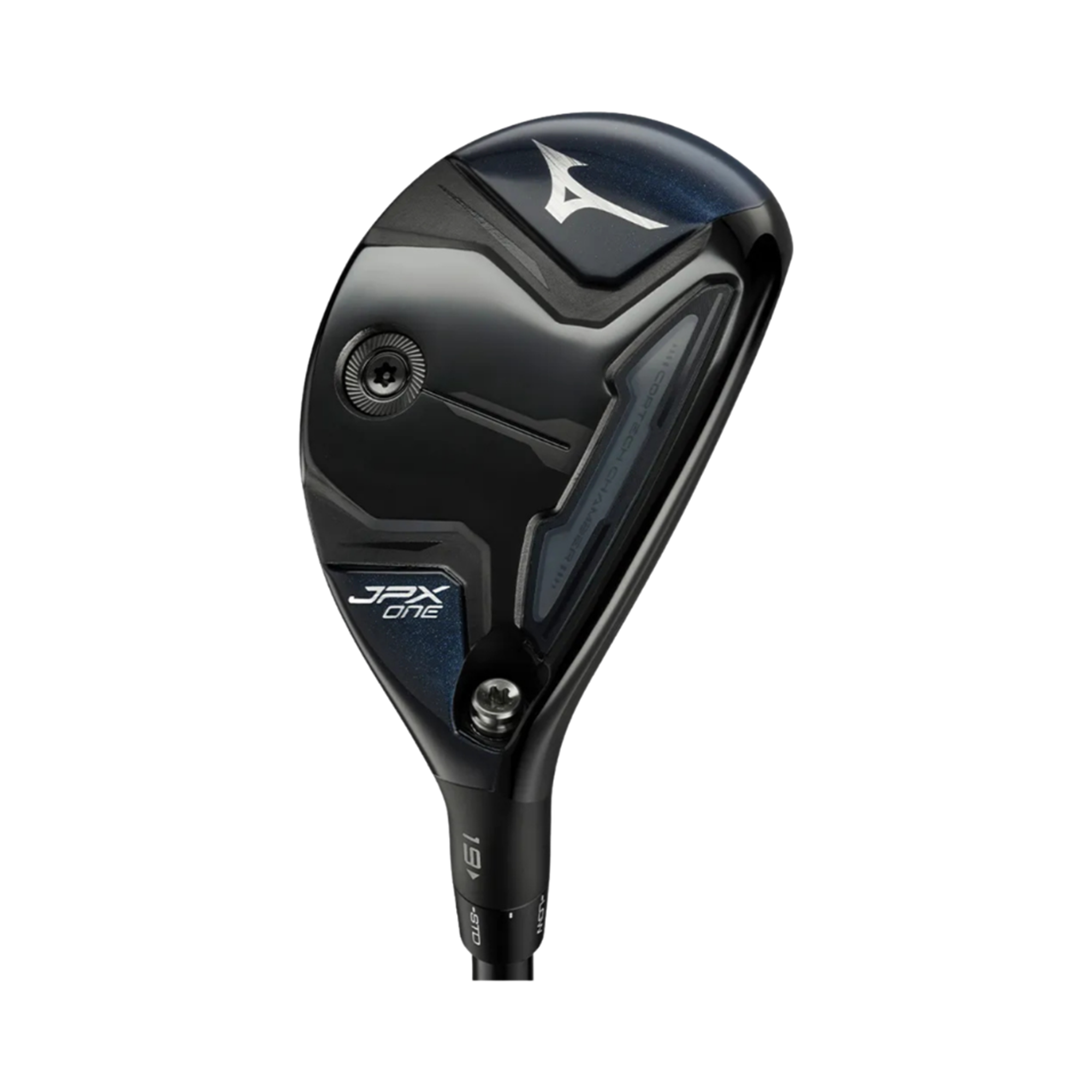 |
Hybrid | Mid-High | Medium-High | Feel-conscious players who still want modern speed and turf consistency | $$$ |
Individual Product Profiles
TaylorMade Qi4D Fairway
A flagship 2026 fairway option with expanded loft coverage and strong adjustability for gapping precision.
Key Benefits
- Expanded adjustable loft matrix across fairway lineup
- Strong carry gapping control in high-lofted woods
- Versatile performance from tee and fairway
Potential Drawbacks
- Premium pricing tier
- Requires fit discipline to avoid overlap with hybrids
Best For: Players building detailed 15-20 yard top-end gaps
Price Tier: $$$
Callaway Quantum Max Fairway
High-launch fairway profile with Step Sole design aimed at cleaner turf interaction and easier speed retention.
Key Benefits
- Easy launch support for moderate-speed players
- Step Sole helps reduce drag through grass
- Forgiving strike profile from mixed lies
Potential Drawbacks
- Can spin too high for high-speed players
- Needs loft tuning to prevent ballooning flight
Best For: Golfers needing launch and turf help
Price Tier: $$$
Titleist GT2 Fairway
A strong-flight fairway with low-face speed retention and a confidence profile for players who prefer a penetrating window.
Key Benefits
- Low-face strike speed retention
- Stable distance from tight-lie contact
- Penetrating window for wind management
Potential Drawbacks
- Not the highest-launch profile in class
- May need fit support for slower swing speeds
Best For: Players preferring stronger trajectory control
Price Tier: $$$
PING G440 MAX Fairway
One of the most forgiving fairway structures in 2026, built to protect launch and carry when contact quality drifts.
Key Benefits
- High-launch stability from tee and deck
- Very strong forgiveness profile
- Broad loft matrix including 4-wood option
Potential Drawbacks
- Larger visual footprint for compact-head players
- May launch too high for low-spin seekers
Best For: Consistency-first golfers prioritizing carry reliability
Price Tier: $$$
TaylorMade Qi4D Max Rescue
A hybrid built to replace difficult long irons with easier launch, stable speed, and confidence through variable lies.
Key Benefits
- High-launch hybrid window
- Forgiving face behavior across strike zones
- Simple long-iron replacement path
Potential Drawbacks
- Fixed-hosel profile on Max variant
- May overlap high-loft fairway distances
Best For: Players prioritizing easy long-approach launch
Price Tier: $$
Callaway Quantum Max OS Hybrid
An oversized, draw-biased hybrid aimed at golfers who need help turning misses back toward center and launching from rough.
Key Benefits
- Highest forgiveness profile in Quantum hybrids
- Draw-bias support for right-miss players
- Strong rough and uneven-lie playability
Potential Drawbacks
- Shape may look large for better players
- Can reduce workability for shot shapers
Best For: Players needing launch and directional correction
Price Tier: $$
Cobra OPTM Hybrid
A precision-focused 2026 hybrid option with broad FutureFit adjustability for tuning loft, lie, and flight shape.
Key Benefits
- Wide fit adjustability range
- Strong stability through tuned CG placement
- Useful for dialed-in fit experiments
Potential Drawbacks
- Best performance needs proper fitting time
- Can overwhelm plug-and-play buyers
Best For: Fit-focused players wanting precise tuning control
Price Tier: $$$
Mizuno JPX ONE Hybrid
A modern-speed hybrid with strong visual refinement and improved turf behavior for players who want feel plus reliable carry.
Key Benefits
- Strong feel profile with modern speed support
- Improved CORTECH chamber consistency on misses
- Clean turf interaction from varied lies
Potential Drawbacks
- Premium-price segment
- Not as draw-biased as max-forgiveness hybrids
Best For: Players balancing feel, speed, and versatility
Price Tier: $$$
Test Notes and Editorial Scoring Method
We scored each model on four weighted criteria: carry-window repeatability, launch-and-spin stability from slight misses, turf interaction behavior from fairway and rough, and fit versatility across loft/lie and role in the bag. Gapping reliability carried the heaviest weight.
Player-Type Recommendations
- Need height and forgiveness: Start with PING G440 MAX Fairway plus Callaway Quantum Max OS Hybrid.
- Prefer stronger flight windows: Build around Titleist GT2 Fairway and a neutral-flight hybrid profile like Mizuno JPX ONE.
- Want max tuning control: TaylorMade Qi4D Fairway and Cobra OPTM Hybrid offer the widest fit-adjustment pathways.
Buying Checklist Before You Order
- Map your current 3W/5W/hybrid carry gaps before selecting new lofts.
- Test one fairway and one hybrid from rough to validate turf fit, not just mat launch data.
- Check peak height and descent angle to ensure long-approach hold, not just total distance.
- Finalize setup by role: tee-only distance, approach hold, or rough-recovery priority.
Final Takeaway
The best 2026 long-game setup is a role-built system, not a random model stack. Use loft gapping first, then choose your flight window, then lock in turf fit. That sequence creates real scoring value.
Source Links (Manufacturer First)
- TaylorMade Qi4D Fairway (Manufacturer)
- Callaway Quantum Max Fairway (Manufacturer)
- Titleist GT2 Fairway (Manufacturer)
- PING G440 MAX Fairway (Manufacturer)
- TaylorMade Qi4D Max Rescue (Manufacturer)
- Callaway Quantum Max OS Hybrid (Manufacturer)
- Cobra OPTM Hybrid (Manufacturer)
- Mizuno JPX ONE Hybrid (Manufacturer)
Related: Buyer’s Guide hub
FAQ
Who is this comparison best for?
A complete 2026 fairway wood and hybrid buyer's guide covering loft gapping, launch windows, turf-fit behavior, and eight cross-brand model picks.
What should I prioritize first when choosing gear?
Prioritize your miss pattern and launch window first, then refine by feel, adjustability, and price.
Can I use this guide without a paid fitting?
Yes. Use the table to create a 2-3 model shortlist, then test those options side by side before final purchase.