Quick Answer
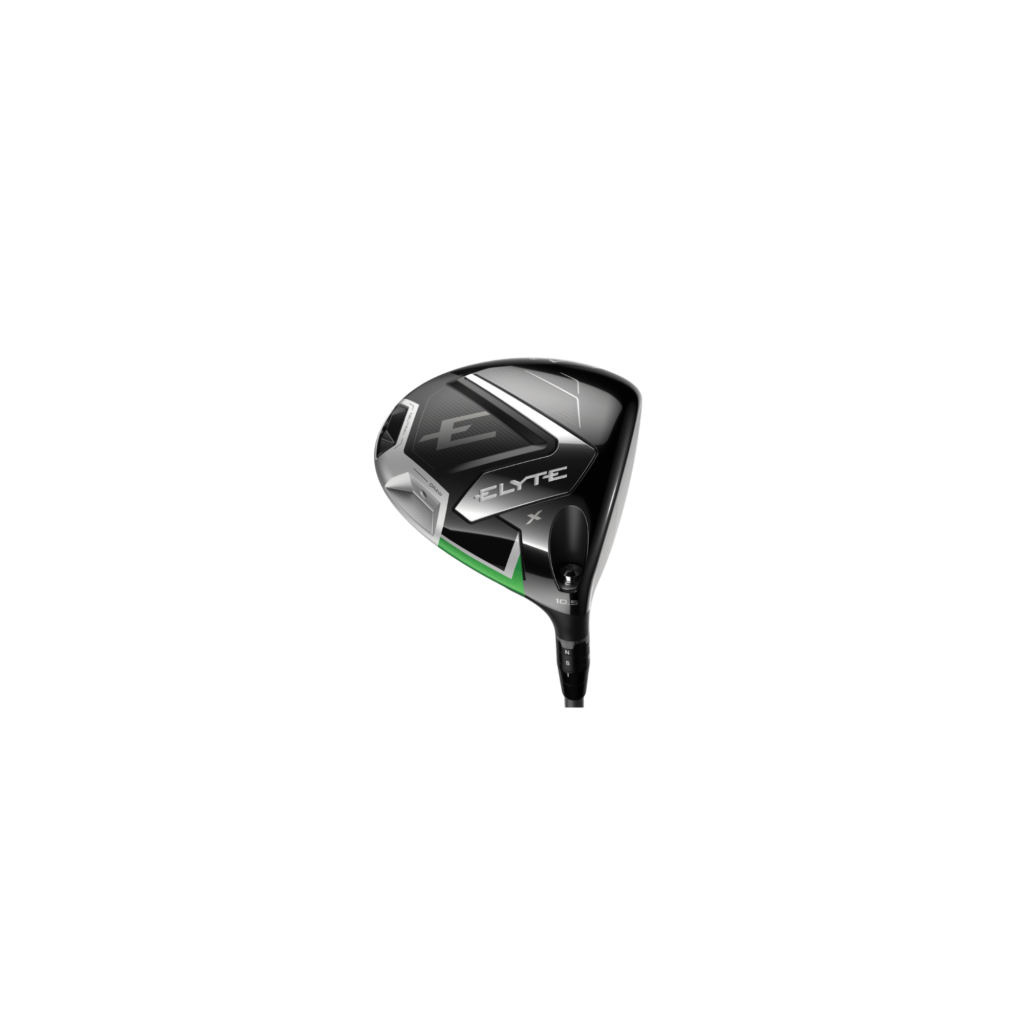
How to Read a New Club Launch Without Getting Lost in Marketing Claims: How to Read a New Club: Why Launch Week Feels So Noisy Every launch cycle promises speed gains, straighter misses, and breakthrough materials.
- Category: How-To
- Read Time: 4 min
- Best Use: Apply this as your first decision framework, then validate with your own data.
Why Launch Week Feels So Noisy
Every launch cycle promises speed gains, straighter misses, and breakthrough materials. Some products do move performance forward. Others are incremental updates dressed in louder language. Smart buyers need a repeatable filter.
This framework helps you evaluate any launch in under 10 minutes, then decide whether to test, wait, or pass.
1) Identify the Product Role First
Before you read claims, classify the model. Is it low-spin, max-forgiveness, draw-biased, or lightweight launch support? If you skip this step, you may compare products serving different player needs.

2) Convert Claims Into Metrics
- “More speed”: look for higher ball speed retention on off-center strikes.
- “More forgiveness”: look for smaller carry and dispersion drop-offs on misses.
- “More control”: look for more stable launch and spin windows.
If a claim has no measurable metric behind it, treat it as a headline, not evidence.
3) Compare Against Your Gamer
Never test a launch model in isolation. Bring your current club and compare directly. Your real question is not “is this club good?” It is “is this club better for my delivery and my misses?”
4) Use a Median-Result Mindset
Ignore the single longest shot in a test session. Focus on median carry, typical dispersion, and the worst three misses. That profile predicts scores better than highlight swings.
5) Buy the Fit Window
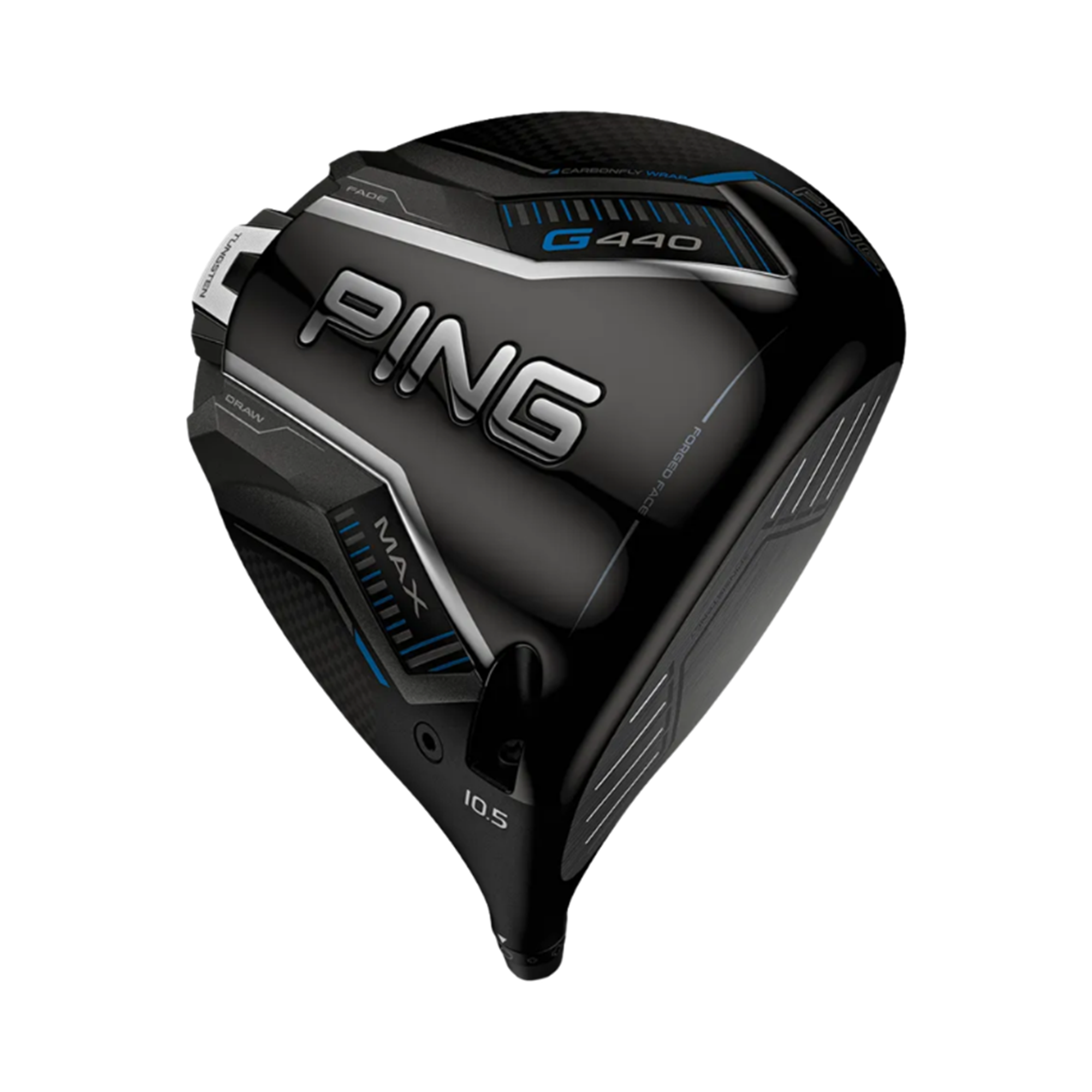
The best launch products widen your playable window. They make your stock shot easier to repeat and your miss smaller. That is the standard worth paying for.
Bottom Line
Good launch reading is a skill. Classify the model, validate with metrics, compare against your gamer, and buy only when the data helps your real pattern.
Source Links
What This Means for Your Game
How to Read a New Club is not just a headline topic. It has direct impact on your next purchase, setup, or on-course decision. We added this section to give you practical, reader-first context in plain language.
At USAGolfMagazine, we prioritize verifiable detail and step-by-step improvement context. That means comparing tradeoffs, identifying who a recommendation helps most, and showing where fit, budget, or conditions can change the best answer.
Quick Practical Checklist
- Define your primary goal before you copy anyone else’s setup.
- Match choices to your actual swing speed, strike pattern, and course conditions.
- Use one consistent benchmark so comparisons stay fair and repeatable.
- Keep notes after rounds so your next adjustment is based on evidence.
If you apply this framework, your decisions around How to Read a New Club become clearer, faster, and more repeatable. The goal is not one perfect answer for everyone. The goal is finding the best fit for how you actually play.
As always, revisit this guide after a few rounds and update your plan based on results. Small, measured changes usually beat dramatic overhauls, especially when your objective is long-term consistency.
What This Means for Your Game
How to Read a New Club is not just a headline topic. It has direct impact on your next purchase, setup, or on-course decision. We added this section to give you practical, reader-first context in plain language.
At USAGolfMagazine, we prioritize verifiable detail and step-by-step improvement context. That means comparing tradeoffs, identifying who a recommendation helps most, and showing where fit, budget, or conditions can change the best answer.
Quick Practical Checklist
- Define your primary goal before you copy anyone else’s setup.
- Match choices to your actual swing speed, strike pattern, and course conditions.
- Use one consistent benchmark so comparisons stay fair and repeatable.
- Keep notes after rounds so your next adjustment is based on evidence.
If you apply this framework, your decisions around How to Read a New Club become clearer, faster, and more repeatable. The goal is not one perfect answer for everyone. The goal is finding the best fit for how you actually play.
As always, revisit this guide after a few rounds and update your plan based on results. Small, measured changes usually beat dramatic overhauls, especially when your objective is long-term consistency.
FAQ
What is the fastest way to apply this lesson?
How to Read a New Club: Why Launch Week Feels So Noisy Every launch cycle promises speed gains, straighter misses, and breakthrough materials.
How often should I practice this move?
Practice in 2 to 3 focused sessions with measurable checkpoints, then keep only the move that holds up under on-course pressure.
What mistake slows progress the most?
Trying to fix everything in one session. Keep one priority and one feedback drill until contact and start line stabilize.