Quick Answer
How Bounce and Grind Affect Misses from Tight Lies: How to match bounce and grind for cleaner contact and more predictable launch from tight lies using a repeatable four-step fitting process.
- Category: How-To
- Read Time: 4 min
- Best Use: Apply this as your first decision framework, then validate with your own data.
Why Tight-Lie Chips Feel So Inconsistent
We have all been there: one tight-lie chip comes off clean, the next gets bladed, and the next digs short.
You feel like your technique disappeared. In reality, your sole setup may be fighting your delivery.
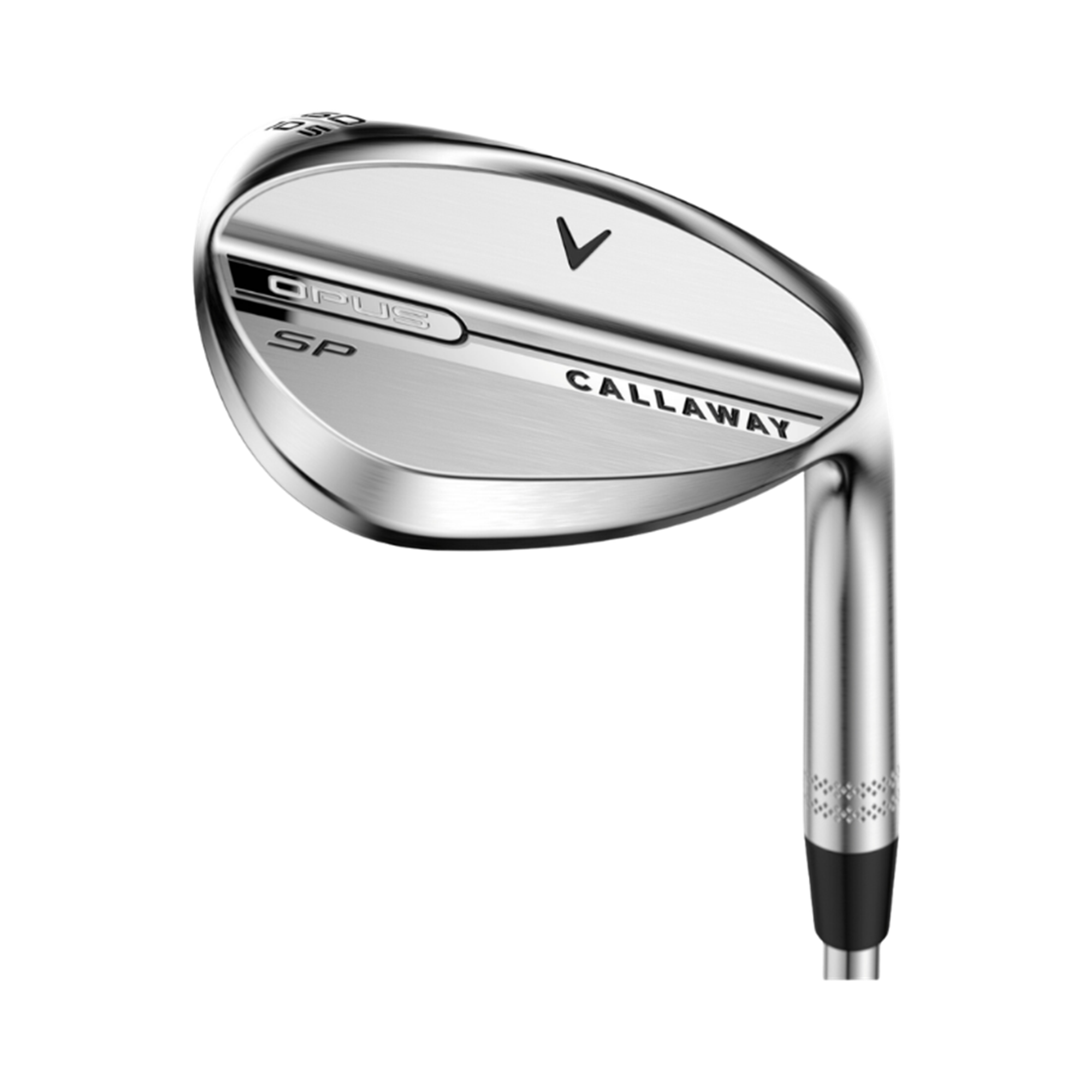
How Bounce and Grind Change Contact
Tight lies remove turf cushion, so the sole has almost no room to recover a poor strike.
Think of bounce like suspension on a rough road: too little and the club nose-dives; mismatched grind and it skids like a flat stone.
What You Need Before You Test
- Bounce profile: low, mid, or high effective bounce reference.
- Grind profile: fuller sole versus heel/toe relief option.
- Impact spray or face tape: confirms strike location while testing.
- Firm-turf test area: reproduces real tight-lie conditions.
Four-Step Tight-Lie Fitting Process
Step 1: Record your misses.
Hit 20 tight-lie chips with your current wedge. Track heavy, thin, and solid contacts.
You cannot fit what you do not measure.
Step 2: Match bounce to contact depth.
Choose more bounce if you dig. Choose moderate bounce for neutral contact.
Choose lower effective bounce only when you consistently clip ball-first from firm turf.
Step 3: Match grind to face usage.
Choose added heel relief if you open the face often. Choose a fuller sole if you play mostly square-face chips.
Fit grind to your shot pattern, not to product labels.
Step 4: Compare and decide by worst miss.
Test two sole setups with the same loft and similar shaft profile.
Select the wedge that shrinks your worst miss window, not the one that hits one perfect shot.
Pro Tip: Test in Two Turf Conditions
Test both dry and lightly damp turf before deciding. A wedge that stays stable in both conditions is usually your best scoring option.
Common Mistake: Fitting Loft Without Fitting Sole
Choosing wedges by loft gapping alone. Loft spacing helps distance control, but sole fit controls strike quality on tight lies.
Take This to Practice This Week
Take this process to your short-game area this week and run one side-by-side test session.
When bounce and grind finally match your delivery, tight lies stop feeling like survival and start feeling like scoring opportunities.
Manufacturer Reference
What This Means for Your Game
How Bounce and Grind Affect Misses is not just a headline topic. It has direct impact on your next purchase, setup, or on-course decision. We added this section to give you practical, reader-first context in plain language.
At USAGolfMagazine, we prioritize verifiable detail and step-by-step improvement context. That means comparing tradeoffs, identifying who a recommendation helps most, and showing where fit, budget, or conditions can change the best answer.
Quick Practical Checklist
- Define your primary goal before you copy anyone else’s setup.
- Match choices to your actual swing speed, strike pattern, and course conditions.
- Use one consistent benchmark so comparisons stay fair and repeatable.
- Keep notes after rounds so your next adjustment is based on evidence.
If you apply this framework, your decisions around How Bounce and Grind Affect Misses become clearer, faster, and more repeatable. The goal is not one perfect answer for everyone. The goal is finding the best fit for how you actually play.
As always, revisit this guide after a few rounds and update your plan based on results. Small, measured changes usually beat dramatic overhauls, especially when your objective is long-term consistency.
What This Means for Your Game
How Bounce and Grind Affect Misses is not just a headline topic. It has direct impact on your next purchase, setup, or on-course decision. We added this section to give you practical, reader-first context in plain language.
At USAGolfMagazine, we prioritize verifiable detail and step-by-step improvement context. That means comparing tradeoffs, identifying who a recommendation helps most, and showing where fit, budget, or conditions can change the best answer.
Quick Practical Checklist
- Define your primary goal before you copy anyone else’s setup.
- Match choices to your actual swing speed, strike pattern, and course conditions.
- Use one consistent benchmark so comparisons stay fair and repeatable.
- Keep notes after rounds so your next adjustment is based on evidence.
If you apply this framework, your decisions around How Bounce and Grind Affect Misses become clearer, faster, and more repeatable. The goal is not one perfect answer for everyone. The goal is finding the best fit for how you actually play.
As always, revisit this guide after a few rounds and update your plan based on results. Small, measured changes usually beat dramatic overhauls, especially when your objective is long-term consistency.
FAQ
What is the fastest way to apply this lesson?
How to match bounce and grind for cleaner contact and more predictable launch from tight lies using a repeatable four-step fitting process.
How often should I practice this move?
Practice in 2 to 3 focused sessions with measurable checkpoints, then keep only the move that holds up under on-course pressure.
What mistake slows progress the most?
Trying to fix everything in one session. Keep one priority and one feedback drill until contact and start line stabilize.