Quick Answer
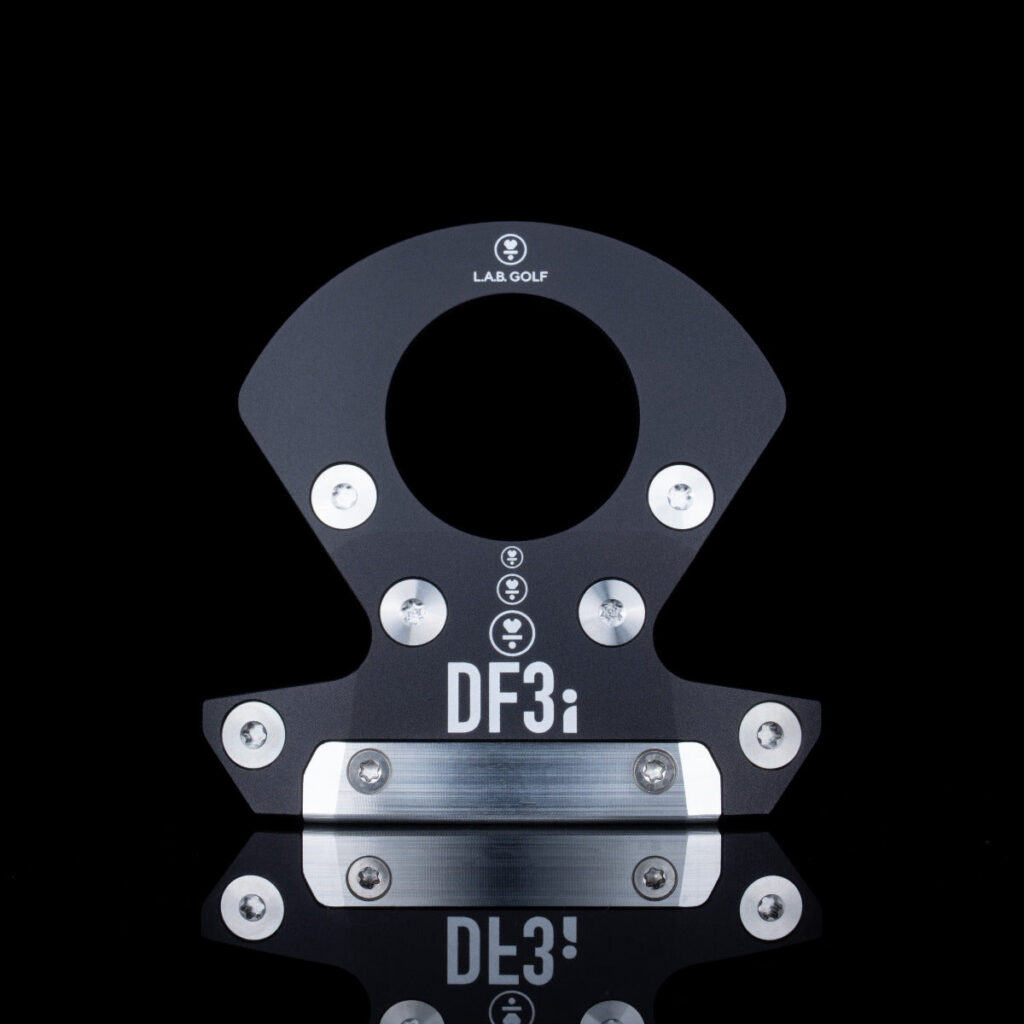
The L.A.B. Effect: Why Zero-Torque Putters are Dominating Bags at Augusta National This Week: A conversational look at why zero-torque putters are the most talked-about putting trend at Augusta this week, and what it means for everyday golfers.
- Category: Trending
- Read Time: 4 min
- Best Use: Apply this as your first decision framework, then validate with your own data.
The L.A.B. Effect is central to this article and the testing or guidance in this piece.
A player rolled in three straight testers at speed, looked up, shrugged, and said, “I’m not fighting face rotation anymore.” That one line has basically been the soundtrack of Augusta practice chatter this week.
Zero-torque putters are not just “gear nerd” talk now. They are showing up in real bags, on the biggest stage, because they simplify the hardest part of putting under pressure: starting the ball on line when your hands get quick.
Why This Story Is Suddenly Everywhere
At Augusta National, tiny misses become big numbers fast. If a putter setup helps players return the face more consistently without manipulation, that is a competitive edge, not a trend headline.
The L.A.B. wave matters to regular golfers too. Most amateurs do not miss because they cannot read greens. They miss because face control drifts under stress.
The “L.A.B. Effect” in Plain English
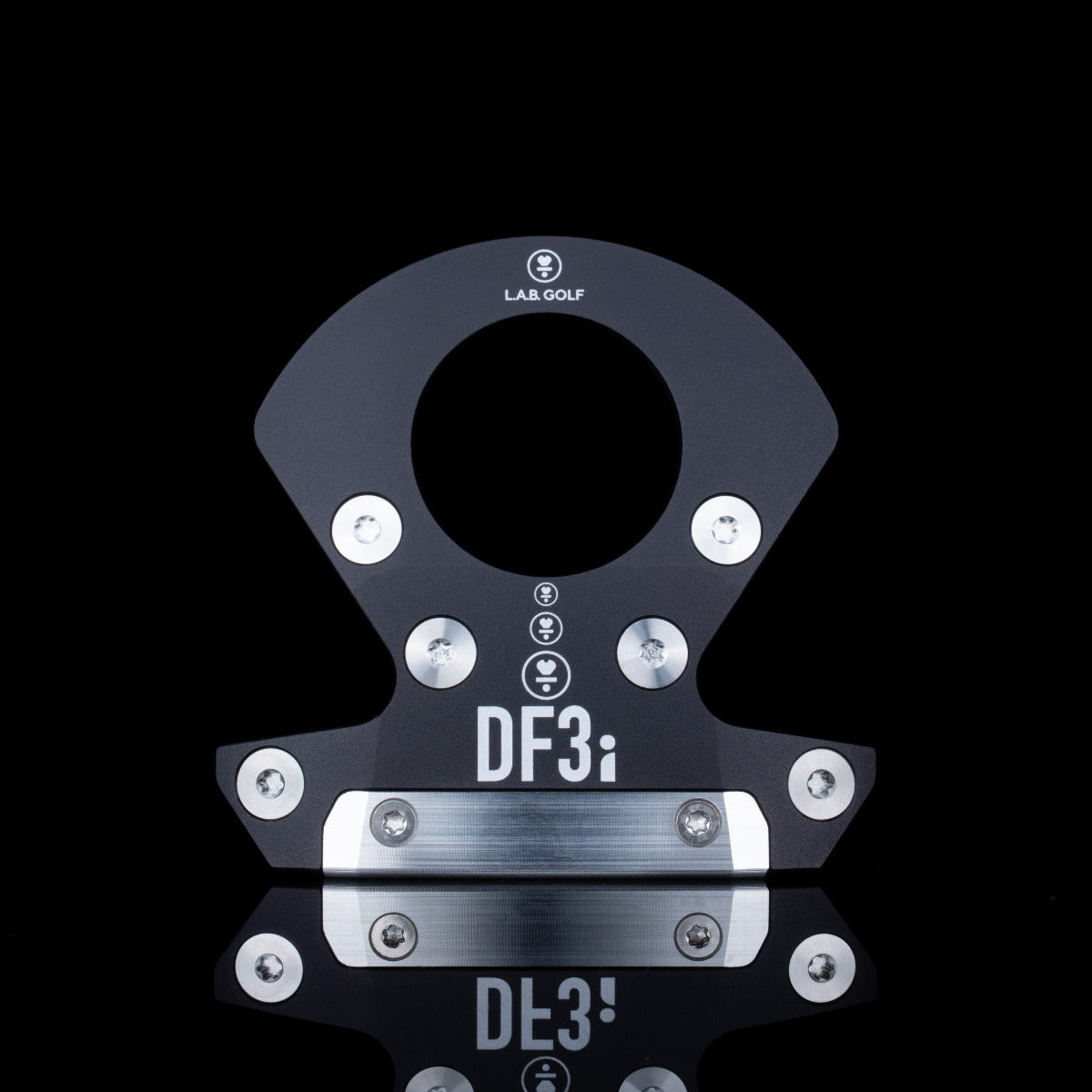
The core pitch is simple: remove a big chunk of timing dependency from the stroke. Less hand-flip, less rescue move, less panic late in the motion.
When players feel they can make the same stroke on four-footers and forty-footers, confidence rises and decision-making gets cleaner.
Where You Are Seeing It at Augusta This Week
- More neutral hand action through impact.
- Fewer dramatic post-miss mechanical overreactions.
- Better pace discipline because start line is more trusted.
This is the key: once start line stabilizes, speed control usually improves because players stop “steering” the putter head.
Is Zero-Torque a Magic Fix? No. Is It Real? Absolutely.
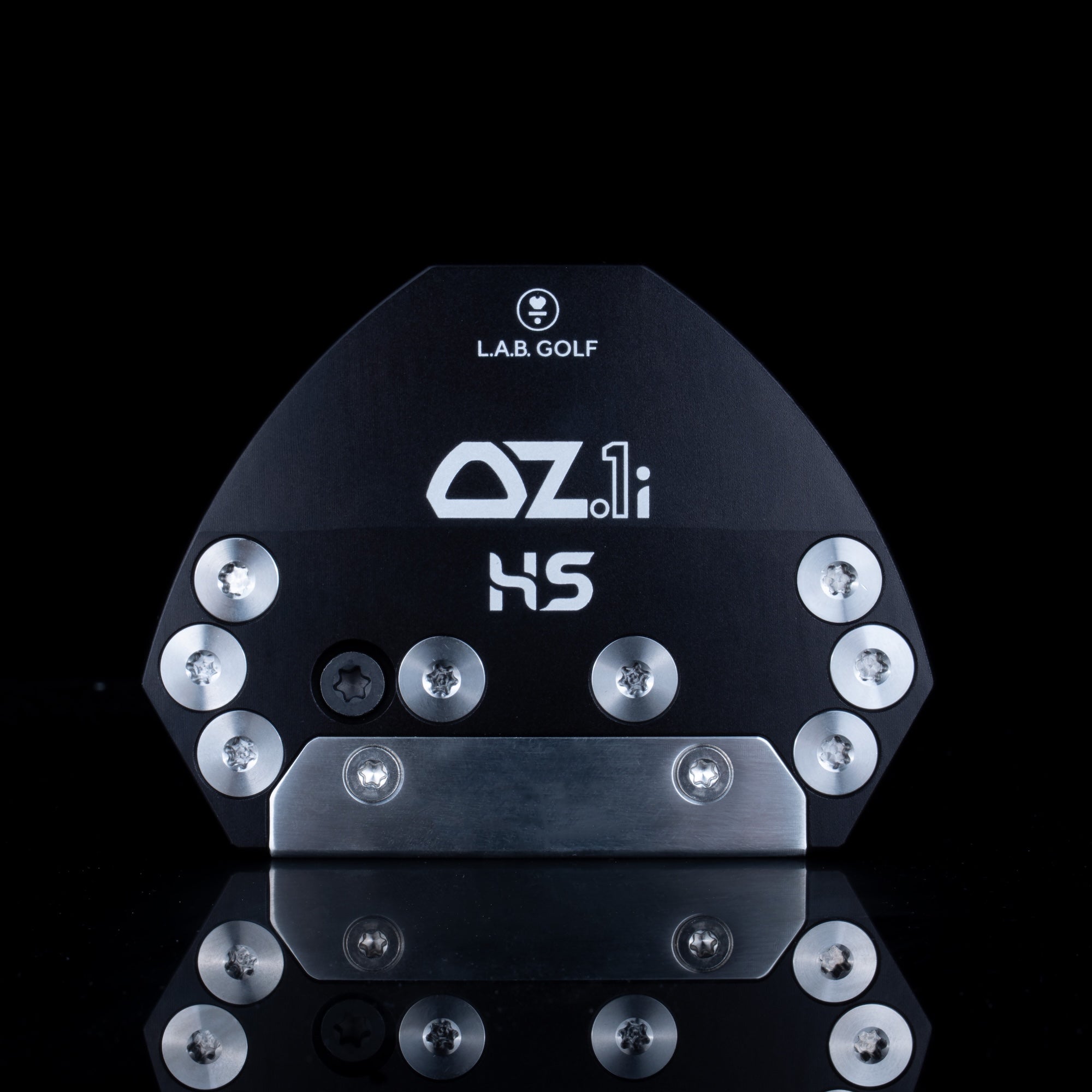
No putter erases bad reads or poor tempo. But when a design reduces face-rotation management, that is real help for players who leak putts right under pressure or over-correct left after a miss.
You still need green-reading skill and speed awareness. Zero-torque just gives those skills a cleaner launch platform.
What Golfers at Home Should Actually Take from This
Do not buy purely because Tour players put something in play. Test for your miss pattern. If your common miss is directional drift from face delivery, a zero-torque style can be worth serious testing.
If your miss pattern is mostly pace, work speed windows first. A putter swap is not a substitute for better distance control reps.
Conversation Starter: Is This a Phase or a Permanent Category Shift?
The fast answer: likely permanent. Not because every player will switch, but because the category solves a real pressure problem and gives fitters a more precise tool for specific miss profiles.
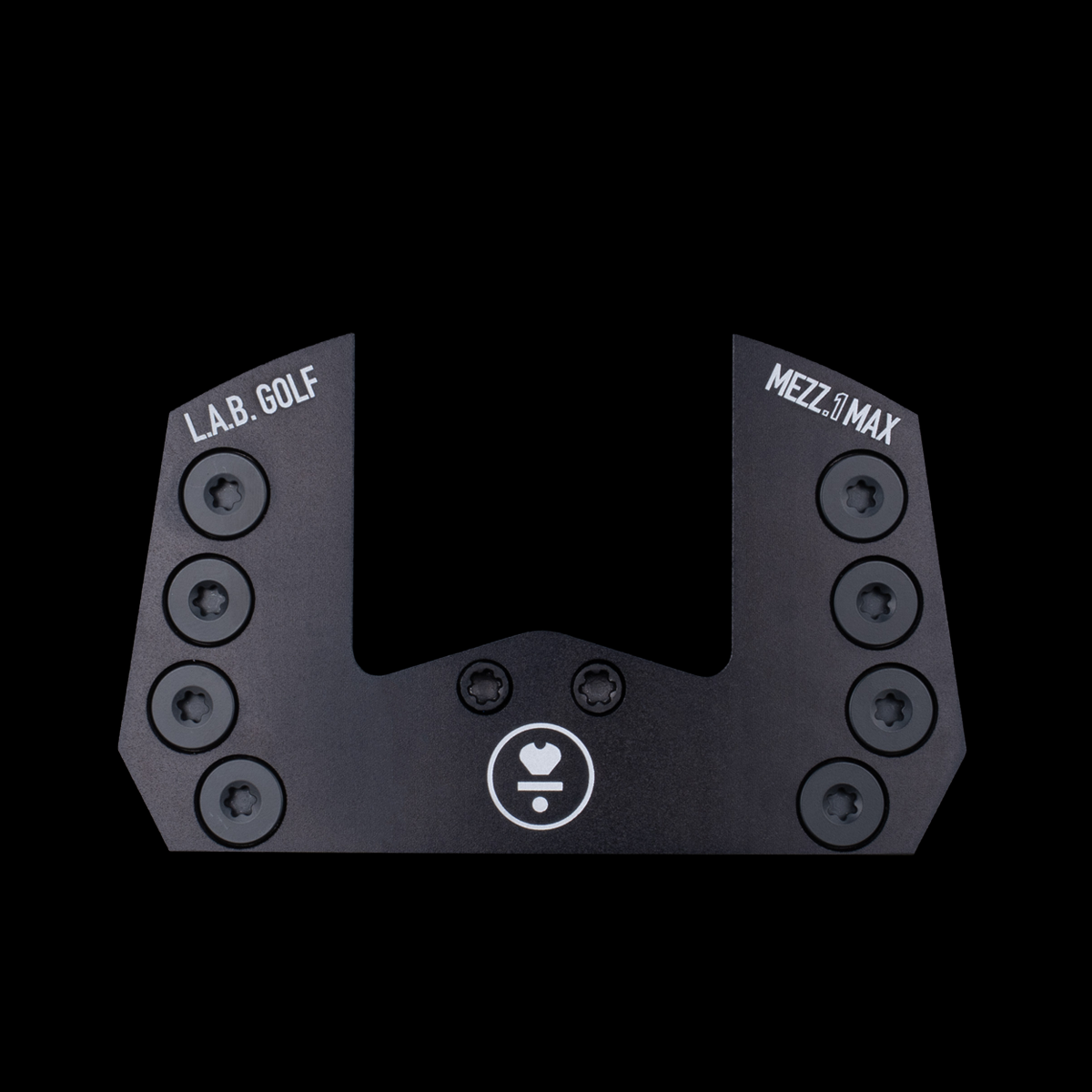
Expect more brands to keep pushing into this space with different head shapes and fitting philosophies.
Quick “Should I Test One?” Checklist
- You tend to miss one side repeatedly on short putts.
- You feel handy or manipulative in pressure moments.
- You make a good stroke in practice but lose face control in rounds.
- You want a setup that feels less timing-dependent.
If that sounds like your game, this is not hype content. It is a fitting conversation you should have.
The Takeaway
Zero-torque putters are not dominating talk at Augusta because they are flashy. They are dominating because they answer a real pressure problem players feel on every green.
The L.A.B. effect is simple: make start line easier to trust, and the whole putting chain gets calmer. That is why this story is not going away.
Related: News section
What This Means for Your Game
The L.A.B. Effect is not just a headline topic. It has direct impact on your next purchase, setup, or on-course decision. We added this section to give you practical, reader-first context in plain language.
At USAGolfMagazine, we prioritize verifiable detail and lifestyle and conversation context. That means comparing tradeoffs, identifying who a recommendation helps most, and showing where fit, budget, or conditions can change the best answer.
Quick Practical Checklist
- Define your primary goal before you copy anyone else’s setup.
- Match choices to your actual swing speed, strike pattern, and course conditions.
- Use one consistent benchmark so comparisons stay fair and repeatable.
- Keep notes after rounds so your next adjustment is based on evidence.
If you apply this framework, your decisions around The L.A.B. Effect become clearer, faster, and more repeatable. The goal is not one perfect answer for everyone. The goal is finding the best fit for how you actually play.
As always, revisit this guide after a few rounds and update your plan based on results. Small, measured changes usually beat dramatic overhauls, especially when your objective is long-term consistency.
FAQ
What is the key takeaway from this story?
A conversational look at why zero-torque putters are the most talked-about putting trend at Augusta this week, and what it means for everyday golfers.
Why does this matter right now?
It affects the next decision golfers make, whether that is equipment selection, planning, practice, or competitive context.
Where can I go deeper on this topic?
Use the related links in this section and the category hubs to compare additional models, methods, and scenarios.