Quick Answer
Masters TV ratings show Rory McIlroy still moves viewers, but there’s a catch | Rory McIlroy Masters ratings CBS: Rory McIlroy Masters ratings CBS: CBS’ Masters final-round audience rose 8% to 13.995 million, but Nielsen’s new measurement method makes the Rory effect story...
- Category: News
- Read Time: 5 min
- Best Use: Apply this as your first decision framework, then validate with your own data.
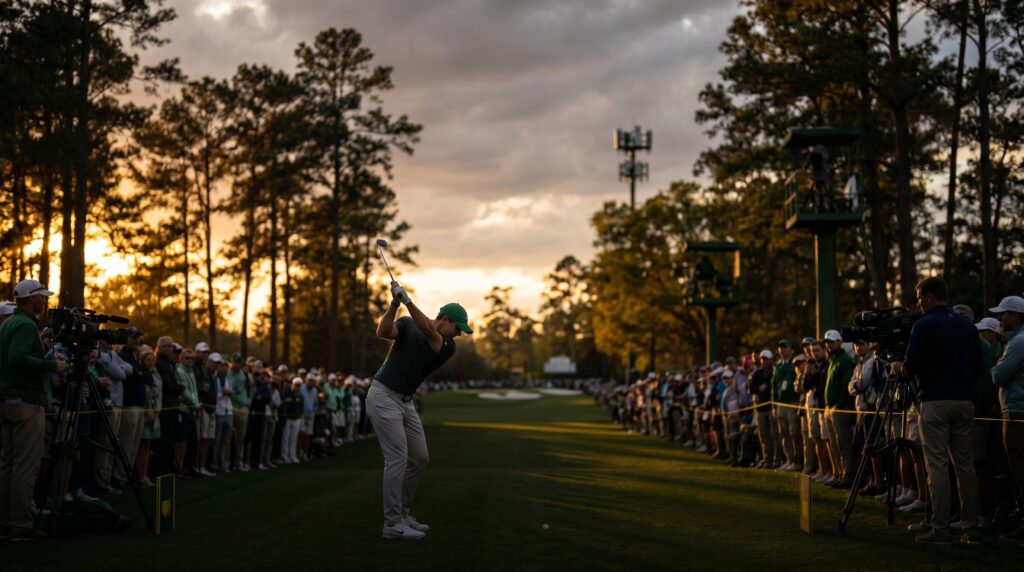
For golfers watching Rory McIlroy Masters ratings CBS, cBS’ numbers from the 2026 Masters final round give the Rory McIlroy conversation fresh fuel. The telecast averaged 13.995 million viewers, up 8% from 12.71 million a year earlier, and it marked CBS’ most-watched Masters final round since 2015.
That is enough to say McIlroy still matters as a TV draw. It is not enough to say he alone caused the increase. The cleaner read is that McIlroy’s presence, the Sunday drama around the leaderboard, and a new Nielsen measurement system all helped shape the result.
For golf fans, the headline is simple: the Rory effect still looks real. For anyone trying to read too much into one year-over-year comparison, the more careful answer is that the scoreboard changed in more ways than one.
The numbers point in one direction
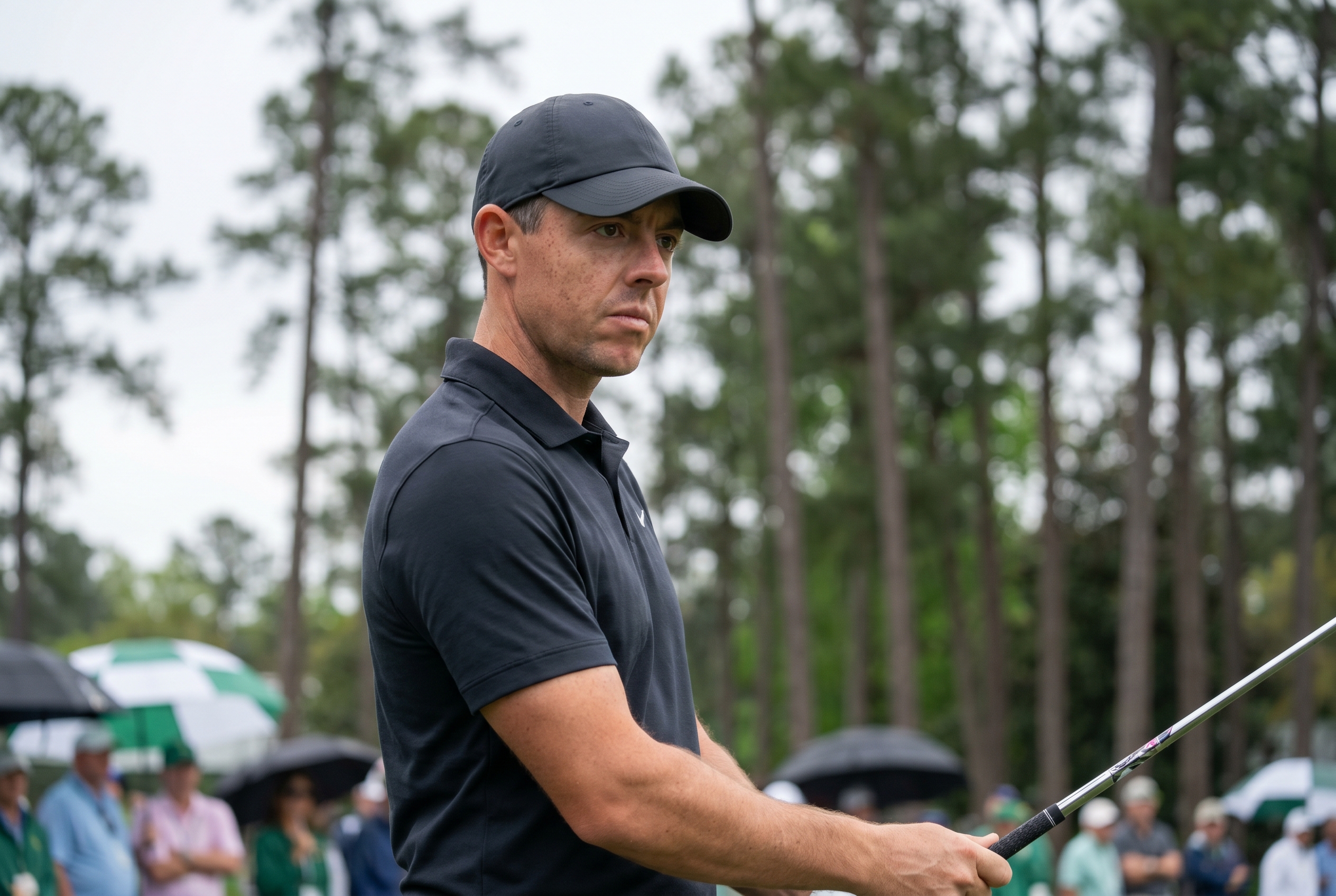
CBS said the 2026 final round peaked at just over 20 million viewers, the largest Masters peak since 2013. That kind of spike does not happen by accident, especially for a tournament that already sits near the top of the sports calendar.
The broader final-round average matters too. A final round that climbs from 12.71 million to 13.995 million is a meaningful jump, even before you get to the peak figure. It tells you more people stayed with the telecast at more moments on Sunday, not just at the finish line.
So yes, the Rory McIlroy Masters ratings story is fair to ask about. McIlroy is one of the active players most likely to pull casual viewers in addition to the golf diehards, and his wins tend to travel well beyond the usual audience.
That said, the numbers do not isolate one player. CBS was also carrying a compelling tournament state, a repeat winner chasing more history, and the kind of late-round tension that keeps even non-golf viewers from changing the channel.
Why McIlroy still matters to CBS
McIlroy has a rare place in golf media. He is not just a great player, he is a recognizable figure whose wins feel like events. When he is in contention on Sunday, the broadcast gets a built-in story that casual viewers can follow without needing a deep handicap of the field.
That matters because TV ratings are not only about golf quality. They are about entry points. A recognizable star gives viewers a reason to tune in, and a Masters Sunday with McIlroy near the lead offers exactly that kind of entry point.
Yes, the Rory effect is still real. Yes, McIlroy’s Masters run still appears to lift interest. And yes, CBS appears to benefit when he is part of the closing act.
But there is a more complete version of the story. The Masters is already must-watch television for many sports fans, and McIlroy amplifies that baseline rather than creating it from scratch. He is a force multiplier, not the entire machine.
If you want a practical comparison, think of him as the player most likely to turn a strong Sunday into a bigger one. That is different from saying he can manufacture ratings on his own.
There is also a broader broadcast lesson here. Sports TV still responds to simple, legible drama. A leaderboard that feels unstable, a superstar in the mix, and a finish that looks genuinely alive are the ingredients that keep viewers from drifting away. McIlroy helps because he is one of the few players whose presence gives the whole telecast a sharper edge.
For readers who care about how golf stories become broadcast stories, this is the same kind of star-power logic you see in equipment coverage too, which is why our Buyer’s Guide to the best golf drivers for mid handicaps is useful in a totally different way. It asks which names actually help golfers, not just which ones get attention.
The Nielsen caveat changes the conversation
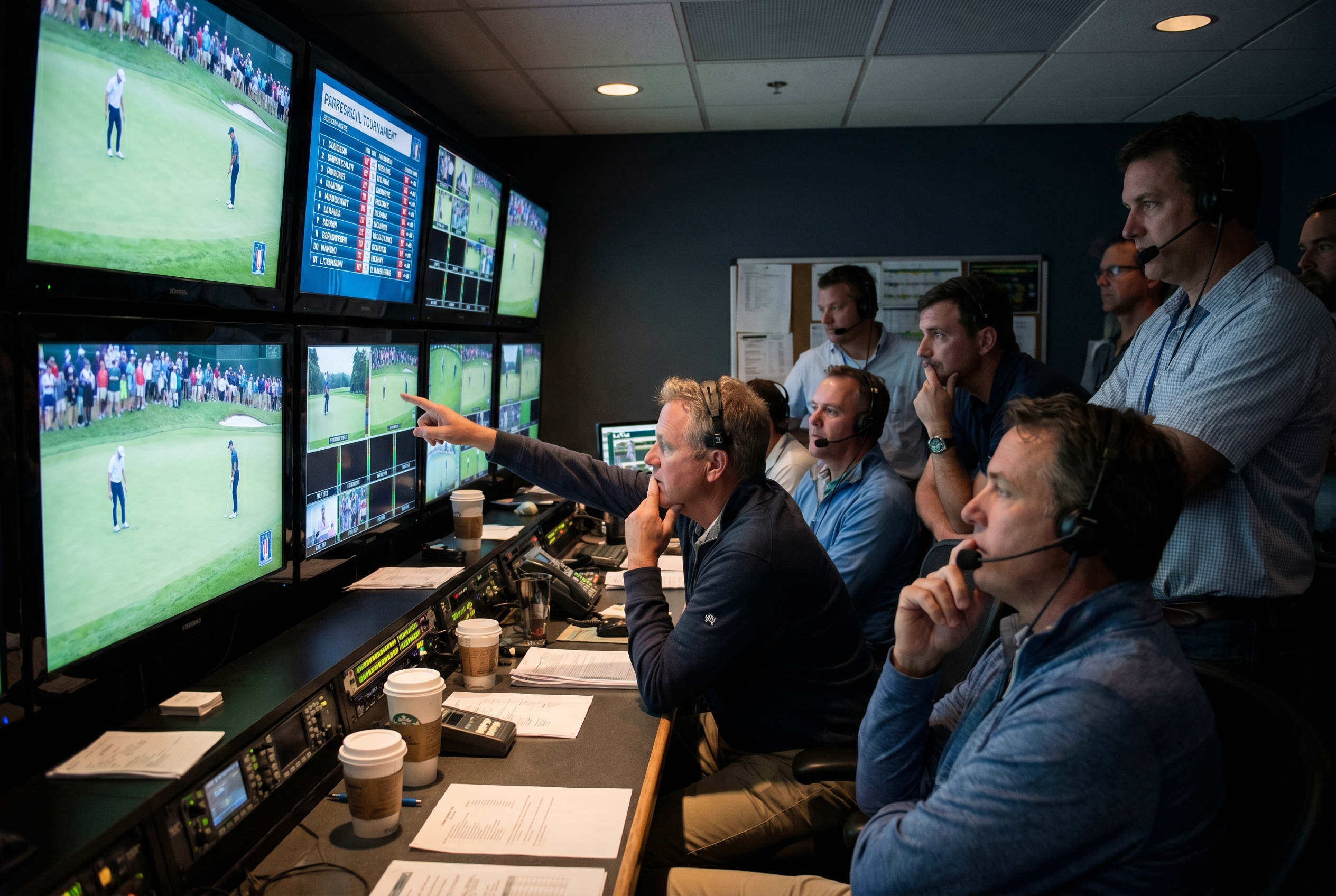
There is one big reason to be careful: 2026 was the first Masters measured with Nielsen’s Big Data + Panel methodology. That means the year-over-year comparison is not perfectly apples-to-apples.
That caveat does not erase the increase, but it does change how strongly you can frame it. The safest read is that CBS saw a bigger audience, and that McIlroy remained part of the event’s appeal, while the measurement shift likely affected how the result was captured.
In other words, the ratings did go up. What you cannot cleanly prove is how much of that jump came from McIlroy versus the broadcast environment, the tournament drama, or the new measurement system.
That distinction matters. Sports media loves neat narratives, but the best analysis usually has one small asterisk. This one does too.
What the story really says about golf TV
The larger lesson is encouraging for golf broadcasters. A player does not need to dominate every week to remain a meaningful ratings variable. He just needs to stay relevant enough that viewers believe Sunday could turn into an event.
McIlroy still does that. His wins carry weight, his name still travels, and the Masters remains the rare golf property that can turn star power into measurable audience growth.
For CBS, that is a win even if the exact cause is blended. Broadcasters want drama, but they also want faces viewers care about. McIlroy provides both when he is in the mix.
And for golf itself, that is a useful sign. The sport still has at least one player who can move the meter in a way casual fans notice.
That is why Rory McIlroy Masters ratings CBS is worth following as this story develops.
Bottom line
The 2026 Masters ratings suggest the Rory effect is still real, but it is not the whole explanation. McIlroy remains a legitimate draw, CBS benefited again, and the new Nielsen method keeps the comparison from being fully clean.
The best conclusion is also the most honest one: Rory still moves viewers, the Masters still delivers, and the numbers are strong enough to support both truths at once.
Yes, McIlroy still matters to TV audiences. No, the ratings do not prove he did it alone.
FAQ
What is the key takeaway from this story?
Rory McIlroy Masters ratings CBS: CBS’ Masters final-round audience rose 8% to 13.995 million, but Nielsen’s new measurement method makes the Rory effect story...
Why does this matter right now?
It affects the next decision golfers make, whether that is equipment selection, planning, practice, or competitive context.
Where can I go deeper on this topic?
Use the related links in this section and the category hubs to compare additional models, methods, and scenarios.