Quick Answer
Kiawah Island for First-Timers: Ocean Course Strategy, Best Wind Windows, and Where to Recover After the Round: A first-timer guide to Kiawah Island with Ocean Course strategy, wind-window planning, recovery flow, and practical trip decisions.
- Category: Travel
- Read Time: 4 min
- Best Use: Apply this as your first decision framework, then validate with your own data.
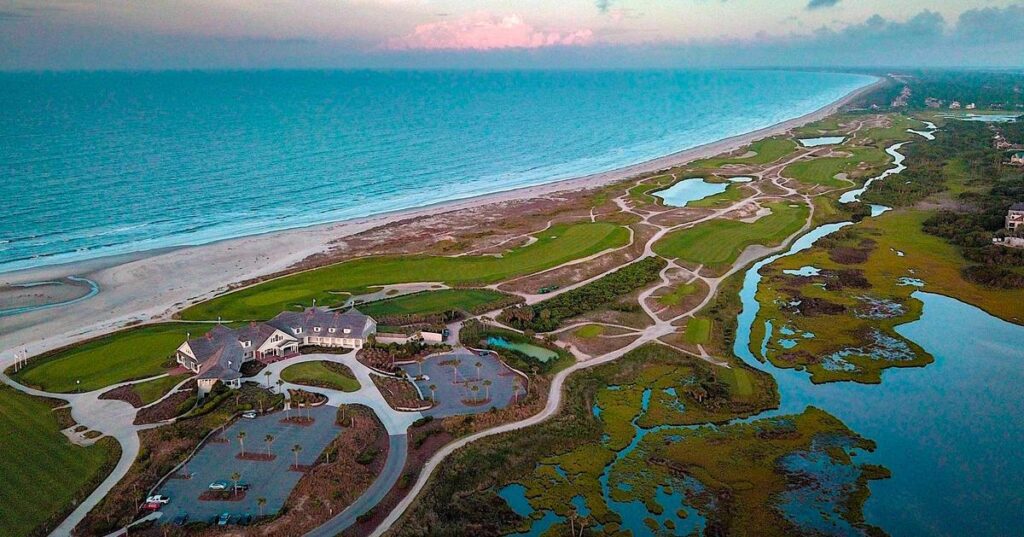
The Atlantic shows up early at Kiawah Island, South Carolina. You feel it before you see it: crosswind in your shirt, salt in the air, and that steady reminder that this place rewards discipline more than bravado.
Located about 45 minutes from downtown Charleston, the Ocean Course is one of the most dramatic public-facing championship venues in the country. For first-timers, the goal is not to “survive” it. The goal is to sequence your day and decisions so you can actually enjoy it.
What First-Timers Get Wrong at Kiawah
Most players overestimate hero shots and underestimate wind management. At Kiawah, a smart miss usually beats a perfect-looking line that does not respect gust direction and spin behavior.
If you treat the day like a links puzzle instead of a target-golf exam, your score and stress both improve.
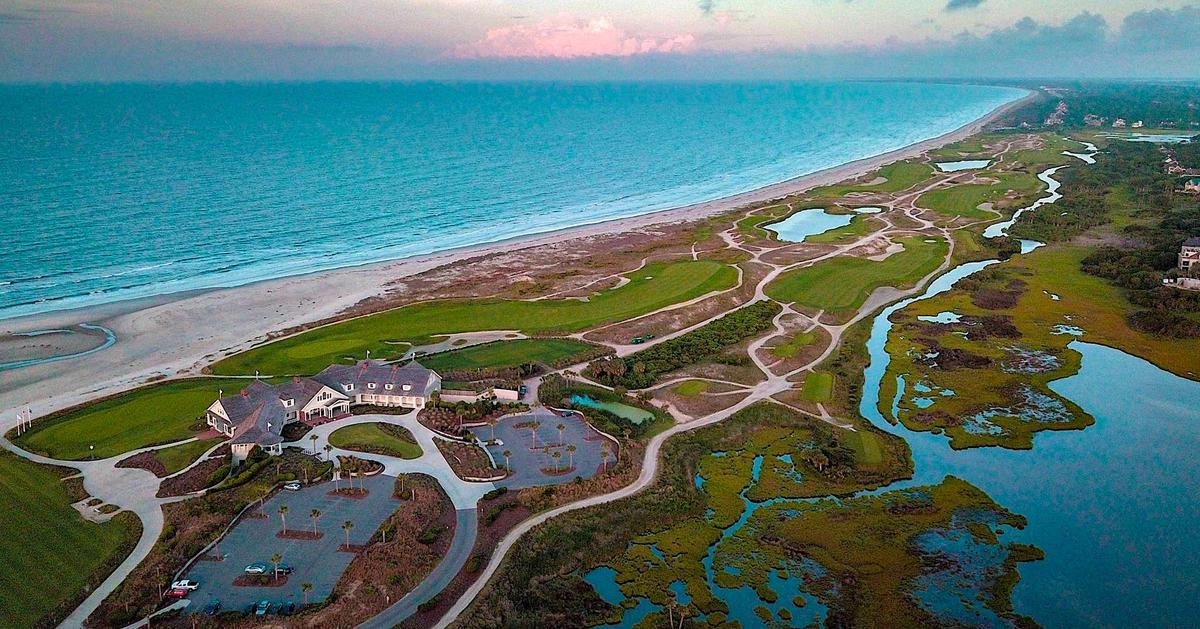
Best Wind Windows and Tee-Time Strategy
Morning blocks often give first-timers the best scoring window, especially if your home golf is less exposed. Later blocks can still be excellent, but you need tighter trajectory control and stronger patience on approach distances.
In the Charleston coastal corridor, weather can shift quickly between sea breeze and heavier gust bands. Check hourly wind direction, not just daily forecast highs, before finalizing your tee time.
- Early start: Better chance of stable reads and cleaner pace.
- Midday start: Strong visual conditions but wider wind variability.
- Late start: Great atmosphere, higher volatility, and tougher club-selection confidence.
Ocean Course Strategy for New Visitors
1) Play to Flight Windows, Not Yardage Ego
Take one more club when needed and flight it down with commitment. A lower, controlled launch often outperforms a full, high delivery that stalls or drifts late.
2) Aim for Your “Best Miss” Zone
Before you swing, choose which side leaves a playable next shot. The smartest Kiawah rounds are built on next-shot planning, not hero-ball recovery.
3) Protect Front-to-Back Dispersion
When wind direction shifts, distance control is the first thing to go. Prioritize contact quality and strike location over aggressive pin-hunting.
4) Accept Bogey Without Emotional Debt
Kiawah punishes panic. If one hole gets away, reset immediately and re-enter your process. Emotional carryover is more expensive than one dropped shot.
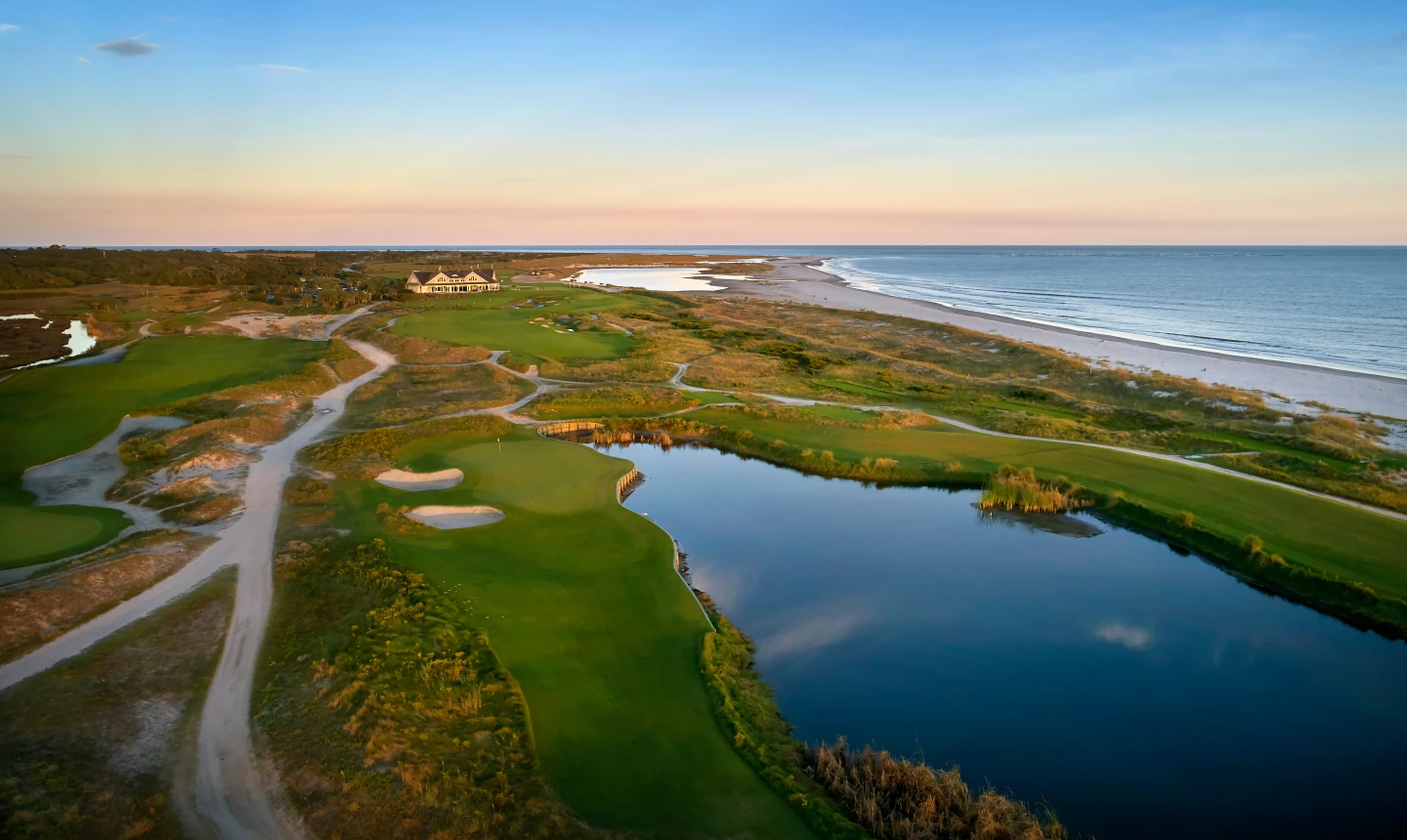
Off-Course Recovery: Where the Trip Actually Improves
The best Kiawah days are shaped after the 18th. Build a recovery block first, social block second. Hydrate, eat protein, and give your feet real rest before evening plans.
Then move into one clean lifestyle anchor: a quality dinner, low-noise bar time, or a quiet coastal walk. Keep it intentional, not overbooked.
If your group is staying on Kiawah, keep evening plans close to avoid unnecessary transit fatigue. If you are based near Charleston, build extra buffer time so your post-round recovery does not disappear in the drive.
Getting There and Planning Around Logistics
Most visitors fly into Charleston International Airport (CHS), then transfer to Kiawah Island by rental car or pre-booked transport. For first trips, avoid tight arrival-day tee windows and give yourself room for flight and baggage variability.
A simple rule: if your wheels-down time is after midday, make day one a settle-in day or short practice block, not a pressure round.
What to Pack for a Better First Kiawah Loop
- Two glove rotations minimum.
- One wind-capable shell and one lightweight thermal layer.
- Ball model you trust in crosswind hold.
- Hydration/electrolyte plan before you arrive on property.
What to Skip on Your First Visit
- Skipping warm-up because “the walk will loosen me up.”
- Overloading the same day with extra non-golf plans.
- Forcing aggressive lines when your start line confidence is low.
- Ignoring wind checks on exposed tees and elevated approaches.
Service Box: Kiawah First-Timer Cheat Sheet
- Location: Kiawah Island, South Carolina (greater Charleston coast).
- Nearest airport: Charleston International (CHS), roughly 45 minutes depending on traffic.
- Best first-round mindset: Conservative lines, committed contact, zero emotional carryover.
- Best tee-time play: Early morning for first visit confidence.
- Biggest edge: Accepting smart misses and managing launch windows.
- Recovery rule: Build your post-round block before you lock dinner plans.
- Pro tip: Spend your last practice balls on trajectory control, not full-speed chasing.
Verdict
Kiawah is demanding, but it is not random. For first-timers, the winning formula is clear: control your flight windows, choose disciplined miss zones, and protect your recovery time.
Do that, and your first Ocean Course round feels less like damage control and more like a true travel-golf experience worth repeating.
Related: Travel section
FAQ
How should I use this travel guide first?
A first-timer guide to Kiawah Island with Ocean Course strategy, wind-window planning, recovery flow, and practical trip decisions.
What matters most in golf-trip planning?
Course fit to your game, realistic recovery windows between rounds, and logistics that protect your tee-time quality.
How far ahead should I book?
For high-demand destinations, book 3 to 6 months early to secure preferred tee-time and lodging combinations.