
Quick Answer
Golf Ball Rollback Timeline Could Shift to One Date in 2030: The proposed golf ball rollback timeline could move to one date in 2030.
- Category: News
- Read Time: 5 min
- Best Use: Apply this as your first decision framework, then validate with your own data.
Golf Ball Rollback Timeline Could Shift to One Date in 2030

The next major change to golf ball testing may arrive on a simpler timeline than originally planned. In a March 17, 2026 notice, the USGA and The R&A proposed moving the updated Overall Distance Standard test conditions to one implementation date across the whole game: January 1, 2030.
That would replace the earlier phased approach, which separated the timeline for elite competition and recreational play. For everyday golfers, the practical message is clear: the current transition remains years away, and there is no reason to panic-buy golf balls or change equipment plans this season.
The proposal still matters because it affects manufacturers, retailers, competitive players, and golfers who follow equipment rules closely. But for the average player trying to shoot a better score this weekend, the smartest response is patience.
What The Proposal Says
The USGA notice says the governing bodies are proposing a single-date implementation of the updated test conditions for the Overall Distance Standard, effective across the whole game from January 1, 2030. The notice also says the last proposed date for accepting conformance submissions under the current test conditions would be October 6, 2027.
Golf balls submitted under the current test condition and included on the December 2027 List of Conforming Golf Balls would remain on the list until December 31, 2029, according to the notice. After that, they would expire from the list.
That language is technical, but the everyday takeaway is not. The governing bodies are trying to avoid a split period where one version of the ball applies to elite golf while another remains in wider use. A single date would make the transition cleaner for players, shops, events, and manufacturers.
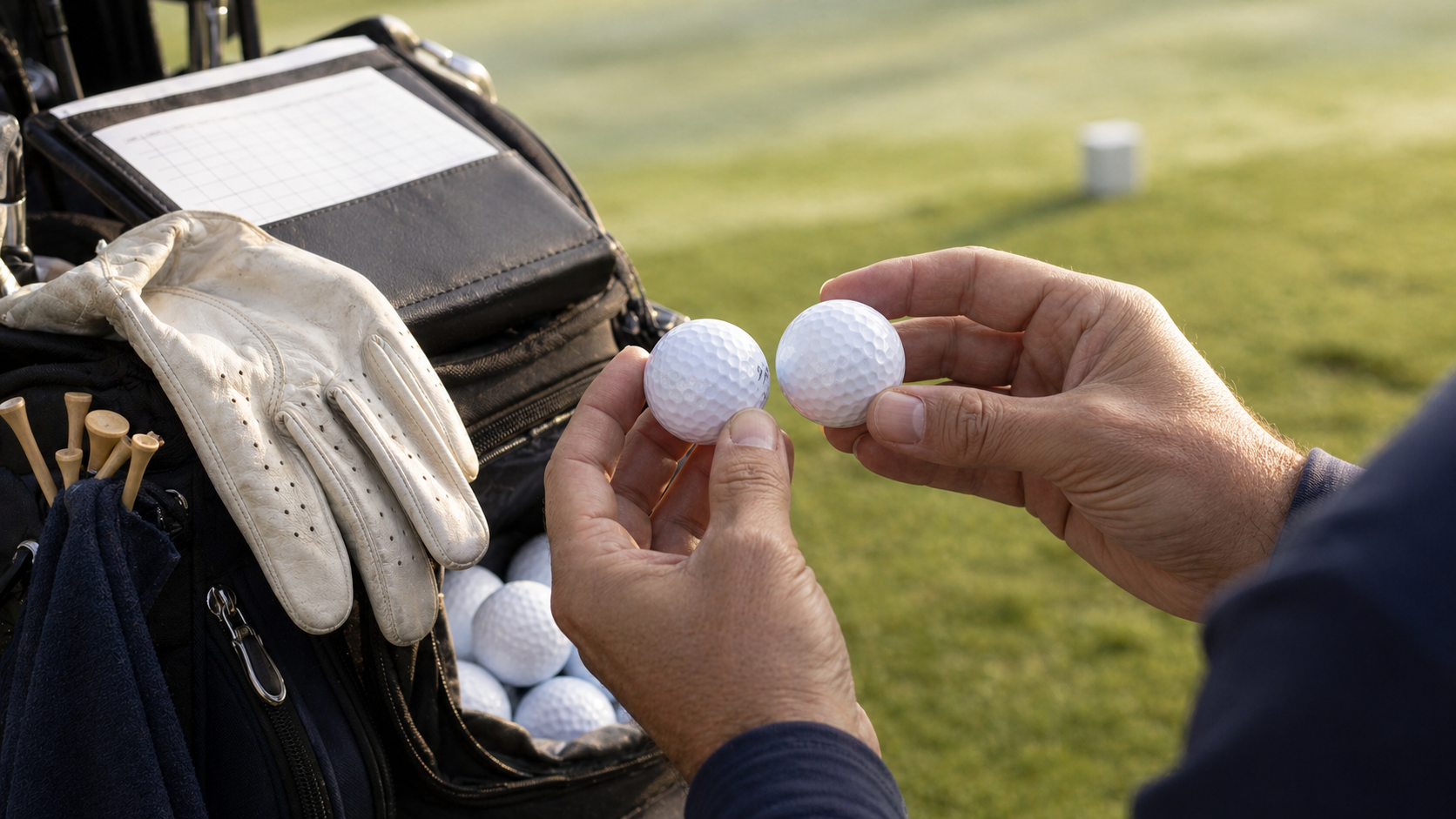
Why The Date Matters
A golf ball rule is not like a driver release. Golfers do not simply swap into the new model because it looks better on a shelf. Ball conformance affects tournament eligibility, product planning, retail inventory, and the way manufacturers design performance around a standard.
The original rollback plan created two phases. That structure had a logic: elite players would move first, recreational golfers later. But it also risked confusion. Competitive amateurs, club events, college players, pro shops, and manufacturers would have had to navigate a period where the timeline depended on who was playing and where.
A single 2030 date would not make the change disappear. It would make the calendar easier to understand. That is especially useful for golfers who play a mix of casual rounds, club tournaments, and association events.
What It Means For Recreational Golfers
For most recreational players, this is not an immediate equipment problem. Golf balls in your bag today are not suddenly useless. The proposed single date is still several seasons away, and the current process remains focused on testing and conformance schedules.
The bigger question is how much distance average golfers would notice when the updated standard eventually applies. The USGA’s public distance FAQ has previously explained that recreational golfers can continue to use balls on the 2027 conforming list for recreational play until 2030 under the transition framework. The proposed single-date approach points in the same direction: the broad recreational impact is not meant to be immediate.
That gives everyday golfers time to be practical. If you are trying to improve this year, ball rollback speculation should rank far behind better contact, smarter tee selection, improved wedge distance control, and a ball that fits your current launch and spin needs.
The Equipment Buying Angle
The proposal also reinforces a useful buying rule: do not choose a golf ball only because it promises the longest possible driver number. Distance matters, but most mid-handicap golfers lose more shots from poor fit than from a few yards of theoretical ball speed.
If your driver spin is too low, a very low-spin ball can make misses worse. If your short-game control is inconsistent, a cheaper distance ball may cost you more around the green than it gives you off the tee. If your iron shots already launch low, feel and stopping power may matter more than peak ball speed.
The coming standard discussion should push golfers toward fit, not fear. Play a ball that helps your normal game now. When the rule change becomes real at retail and in competition, there will be time to test replacements.

What Competitive Golfers Should Watch
Competitive players should pay closer attention than casual players. If you play state association events, USGA qualifiers, high-level amateur tournaments, college golf, or professional events, conformance dates and the List of Conforming Golf Balls matter.
The proposed October 2027 submission date and December 2029 list expiration date are worth tracking because they affect which balls manufacturers can submit and how long current-test-condition balls can remain listed. Players do not need to solve that today, but they should expect ball testing and tournament guidance to become more important as 2030 approaches.
For now, the best move is simple: follow official updates, avoid rumor-driven equipment changes, and keep records of the ball model you use in competition.
Final Takeaway
The proposed single 2030 implementation date would make the golf ball rollback timeline easier to understand. It does not create an urgent buying decision for everyday golfers, and it does not mean every player needs to rethink the bag right now.
The smart response is to keep playing a ball that fits your current game, watch official rule updates, and wait for manufacturers to bring conforming options to market. The calendar may be changing, but the practical advice is steady: fit first, fear last.
FAQ
What is the key takeaway from this story?
The proposed golf ball rollback timeline could move to one date in 2030.
Why does this matter right now?
It affects the next decision golfers make, whether that is equipment selection, planning, practice, or competitive context.
Where can I go deeper on this topic?
Use the related links in this section and the category hubs to compare additional models, methods, and scenarios.