Quick Answer
Complete Putter Buying Guide 2026: Head Shape, Toe Hang, Hosel, and Fit Map: A 2026 cross-manufacturer putter buyer’s guide comparing six current models by fit profile, start-line consistency, pace control, and value.
- Category: Buyer's Guide
- Read Time: 4 min
- Best Use: Apply this as your first decision framework, then validate with your own data.
This updated 2026 putter buyer’s guide is built around one principle: fair, cross-manufacturer comparison by fit, not logo loyalty. We tested six current-season putter options across start-line stability, pace consistency, and face-rotation compatibility.
Use this guide to match your stroke style and miss tendency first, then select the model class that gives you the highest make-rate upside under pressure.
Quick Fit Map: What Type of Putter Do You Actually Need?
Comparison Table
| Putter Class | Best For | Face Rotation Fit | What You Gain | Trade-Off |
|---|---|---|---|---|
| Blade / Blade-Plus | Players prioritizing feel and face awareness | Moderate arc to strong arc | Precise release feedback | Less forgiveness on toe-heel misses |
| Compact Mallet | Players wanting blade visuals with extra stability | Slight arc to neutral | Better line retention without oversized look | Not as stable as full high-MOI mallets |
| High-MOI Mallet | Players needing directional consistency and pace control help | Straight-back to slight arc | Less face twist on off-center hits | Larger footprint and different visual comfort |
| Zero-Torque / Face-Stable | Players fighting face-rotation timing under pressure | Neutral to minimal arc | Square-face support through impact | Can feel less workable for strong-arc strokes |
Comparison Table: Best 2026 Putters by Player Need
Comparison Table
| Model | Product | Manufacturer | Type | Primary Strength | Best For | Price Tier |
|---|---|---|---|---|---|---|
| Mizuno M.Craft Osaka | 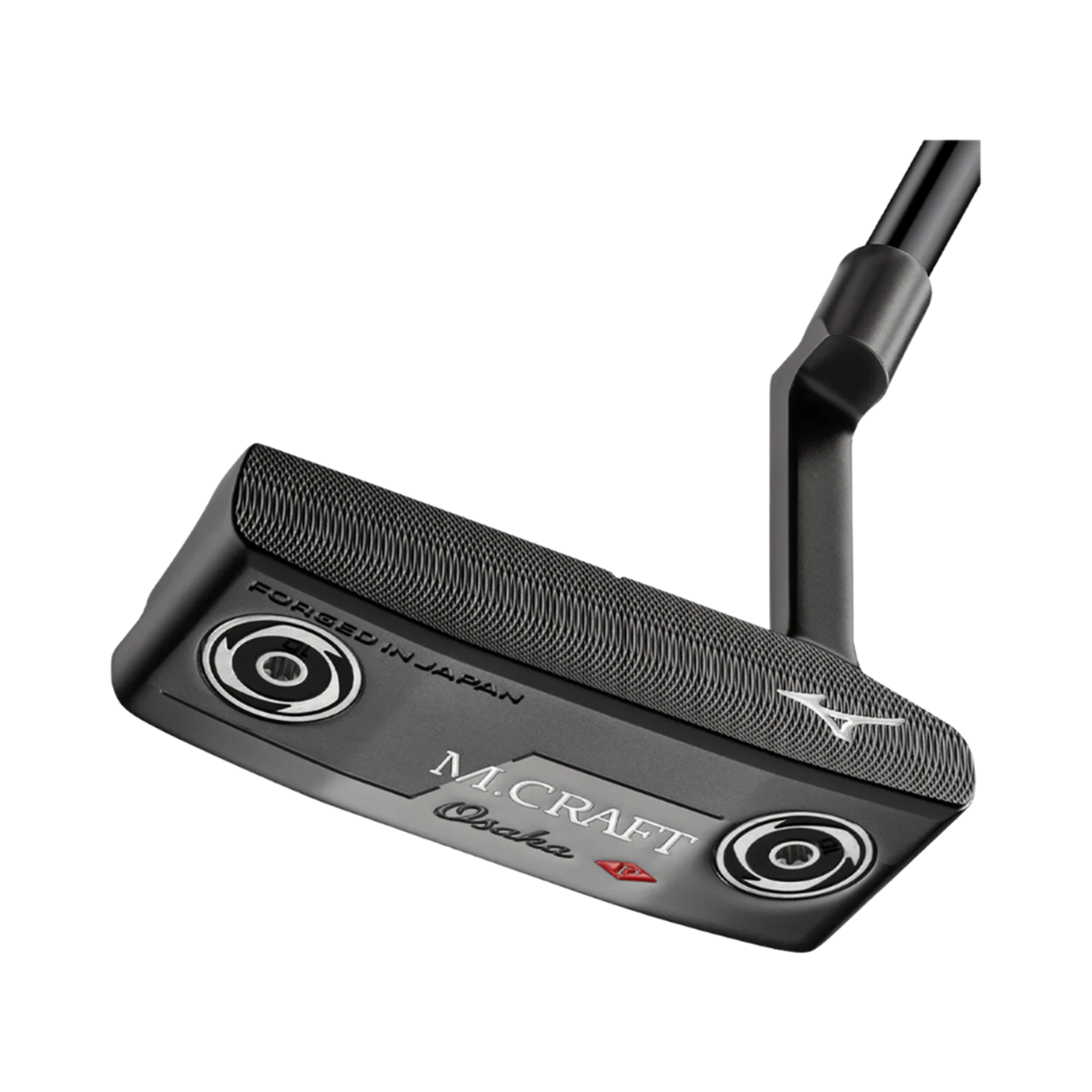 |
Mizuno | Blade | Inside-10-feet face control | Purist players who want forged feel and precision feedback | $$$ |
| Odyssey Ai-DUAL Jailbird 1/2 Ball Cruiser | 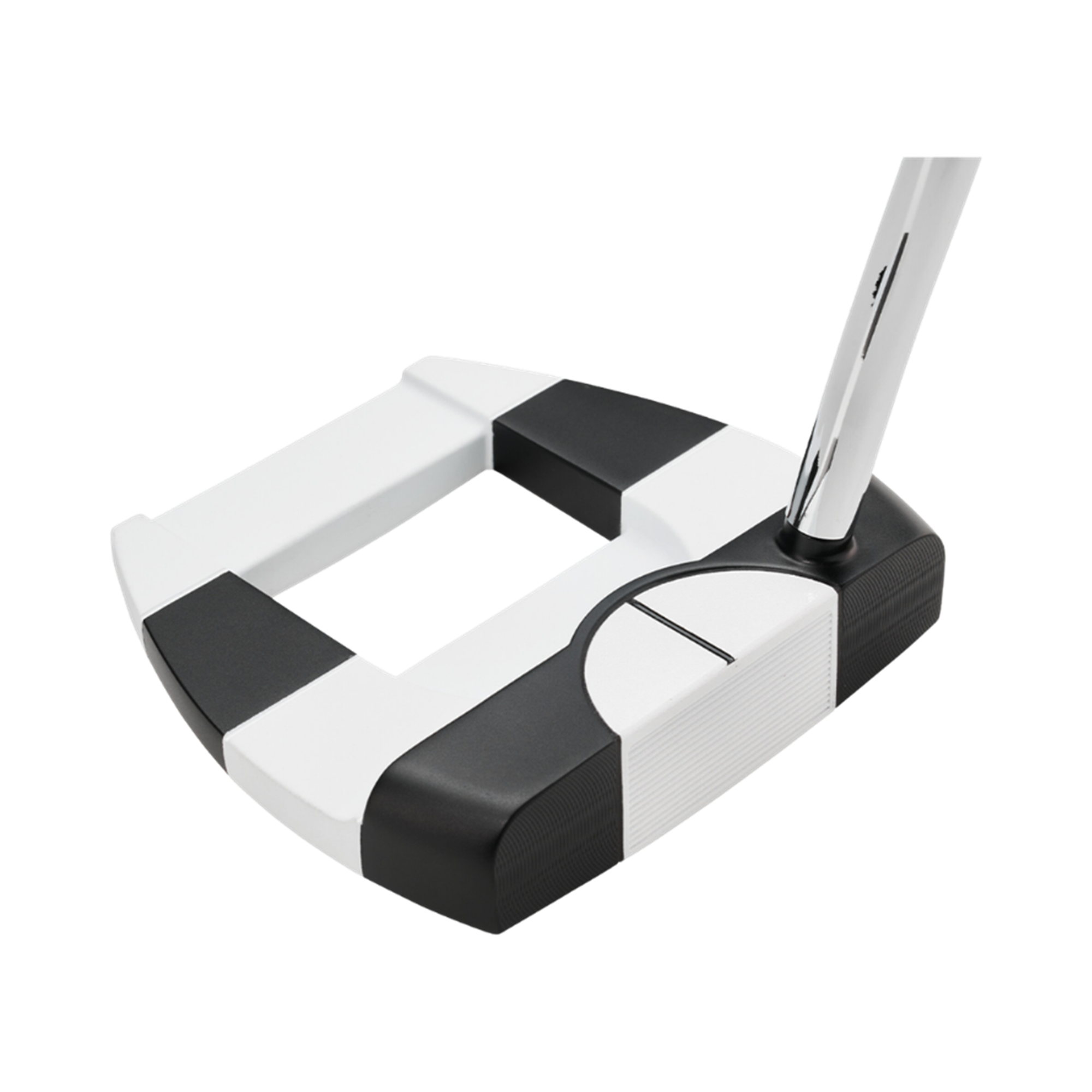 |
Odyssey | High-MOI Mallet | Off-center speed retention | Golfers who struggle with long-putt distance control | $$$ |
| TaylorMade Spider Tour X | 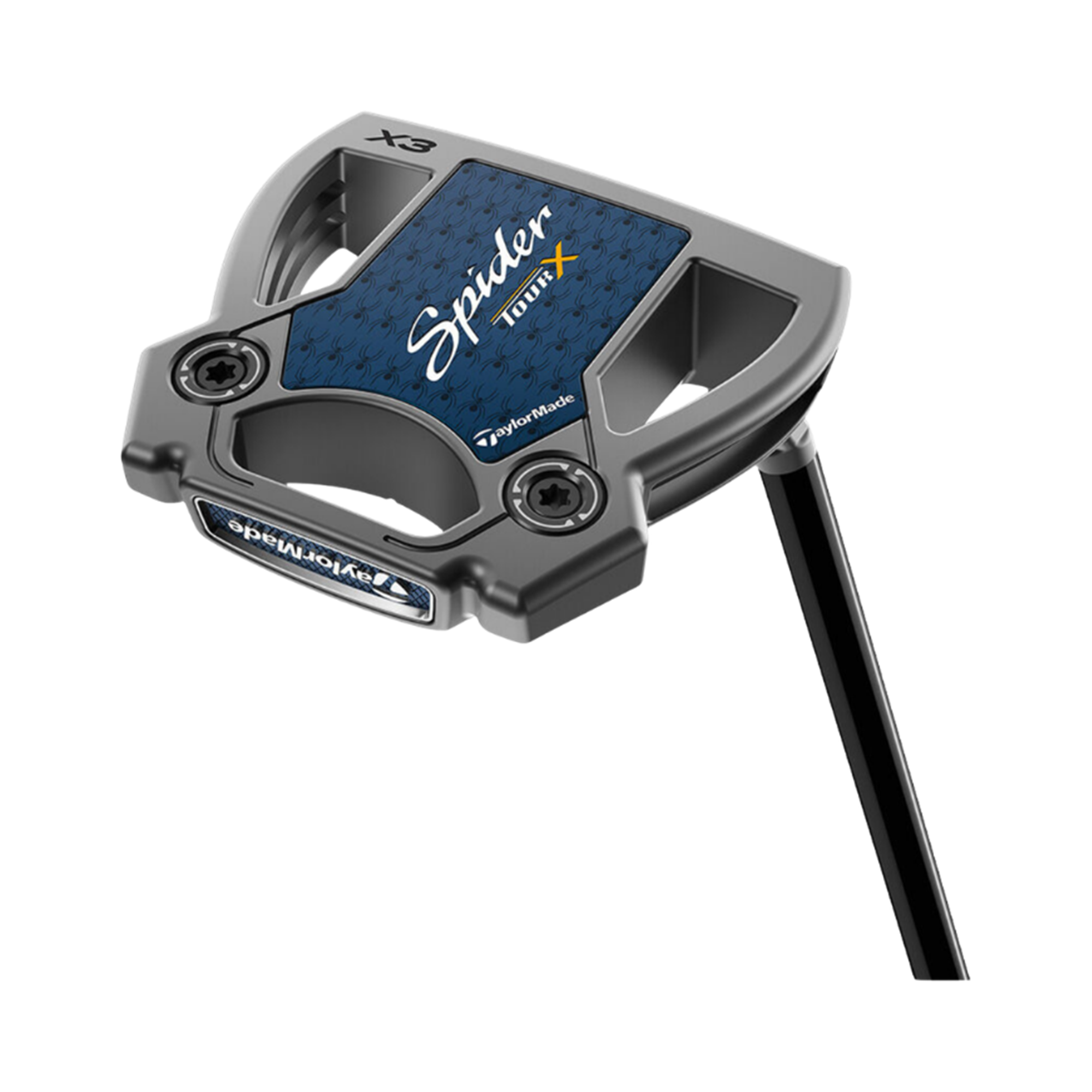 |
TaylorMade | High-MOI Mallet | Start-line stability | Players who want proven Tour-level mallet consistency | $$$ |
| TaylorMade Spider ZT | 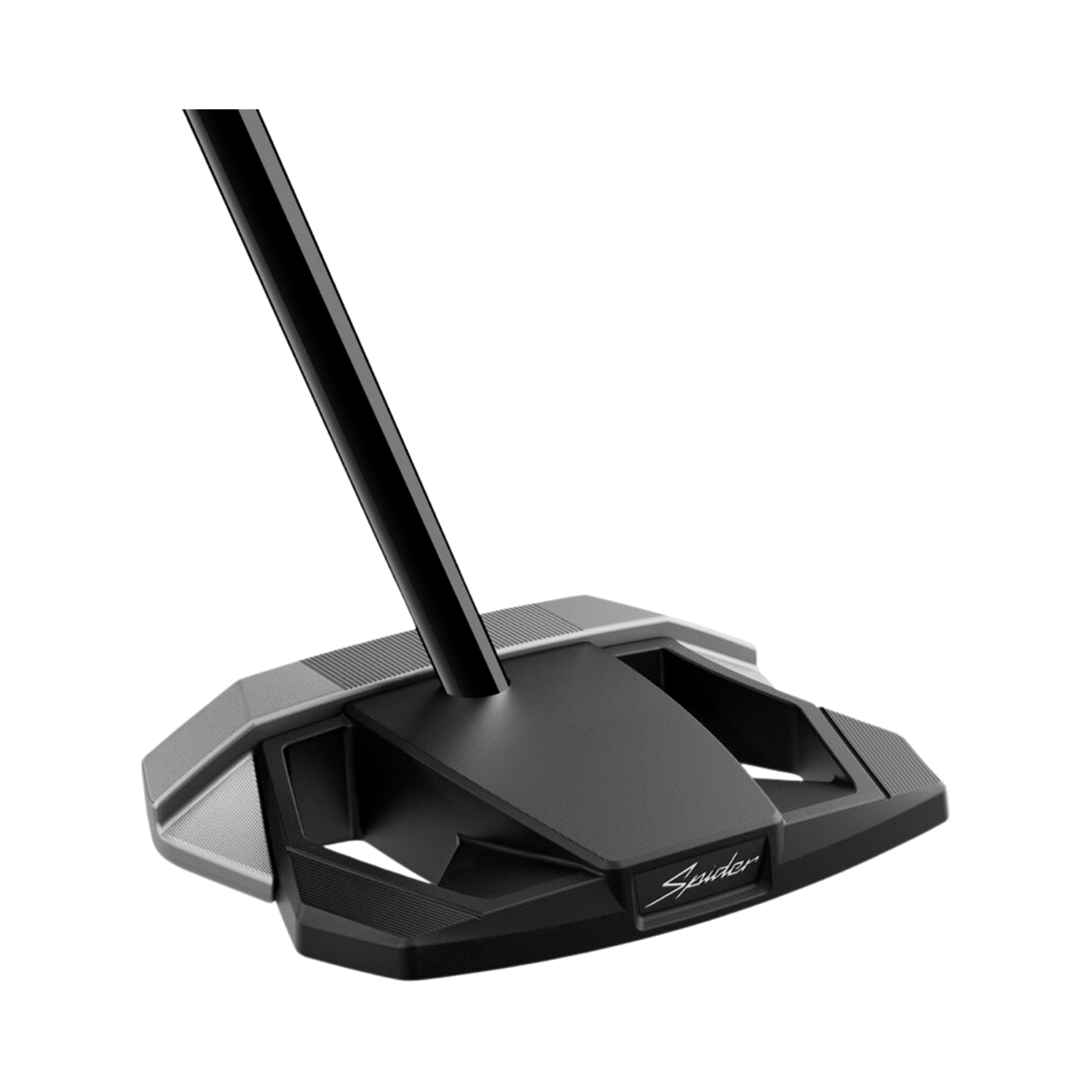 |
TaylorMade | Zero-Torque | Face-stable delivery | Golfers battling face-rotation timing and yips-like misses | $$$ |
| Scotty Cameron Studio Style Newport 2 | 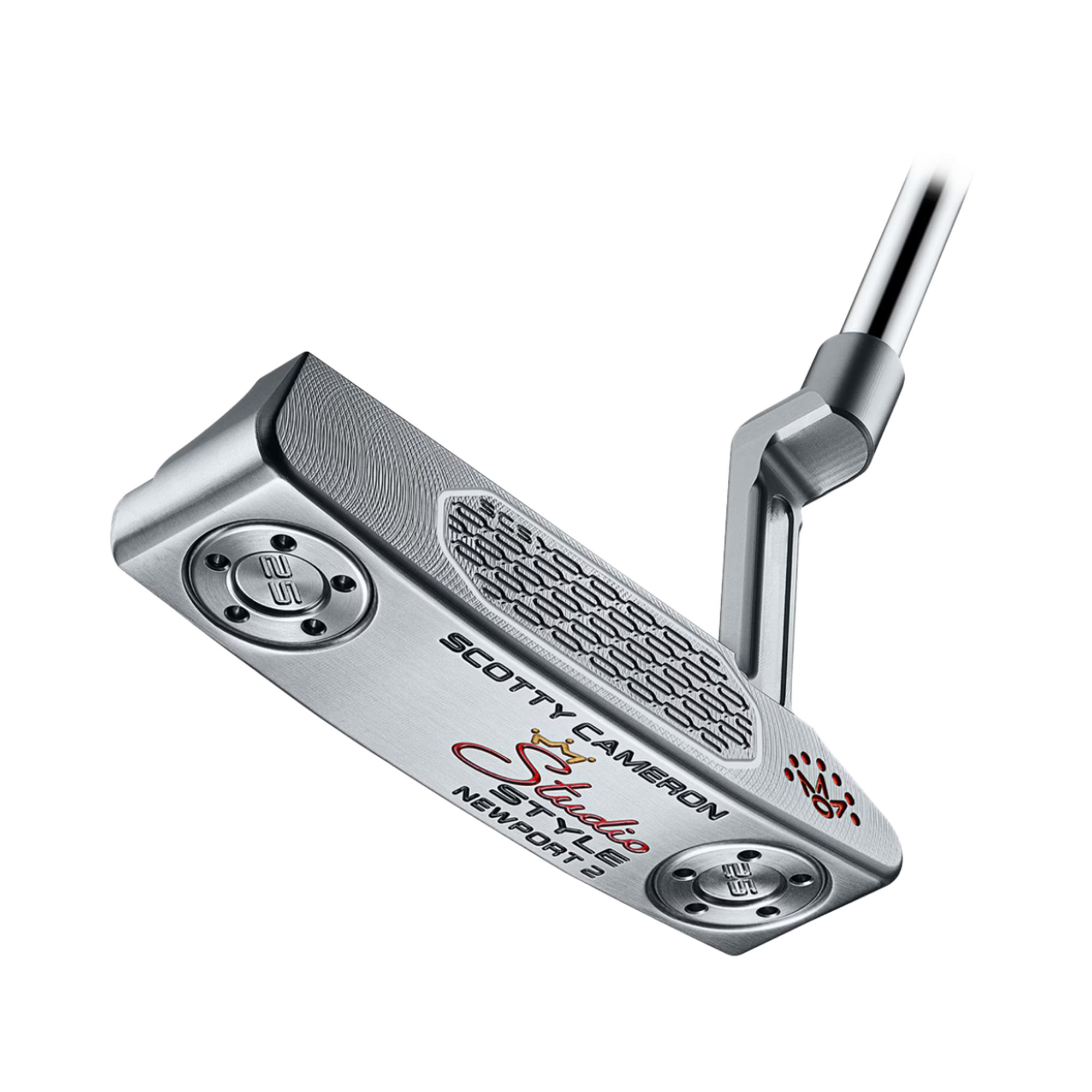 |
Scotty Cameron / Titleist | Blade | Premium feel and sound | Players who prioritize craftsmanship and touch calibration | $$$$ |
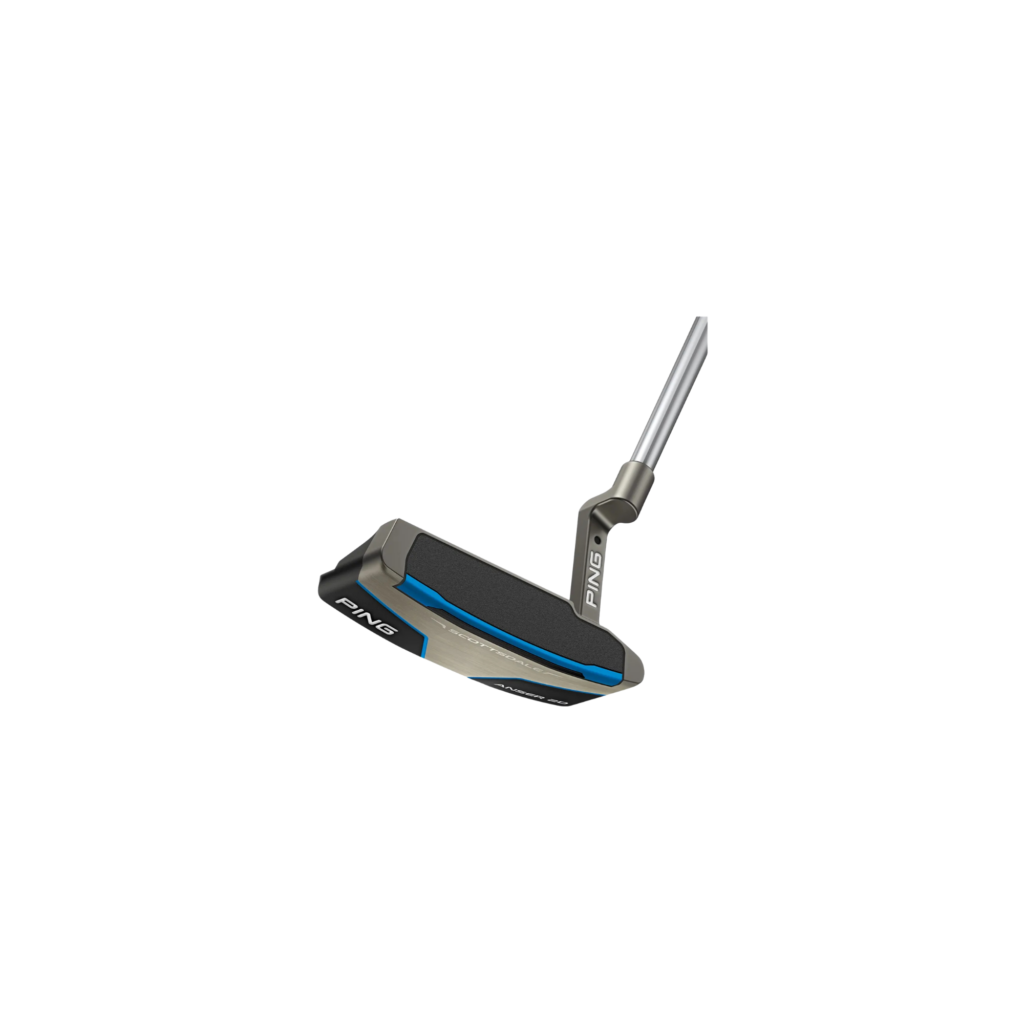
| PING Scottsdale Anser 2D | 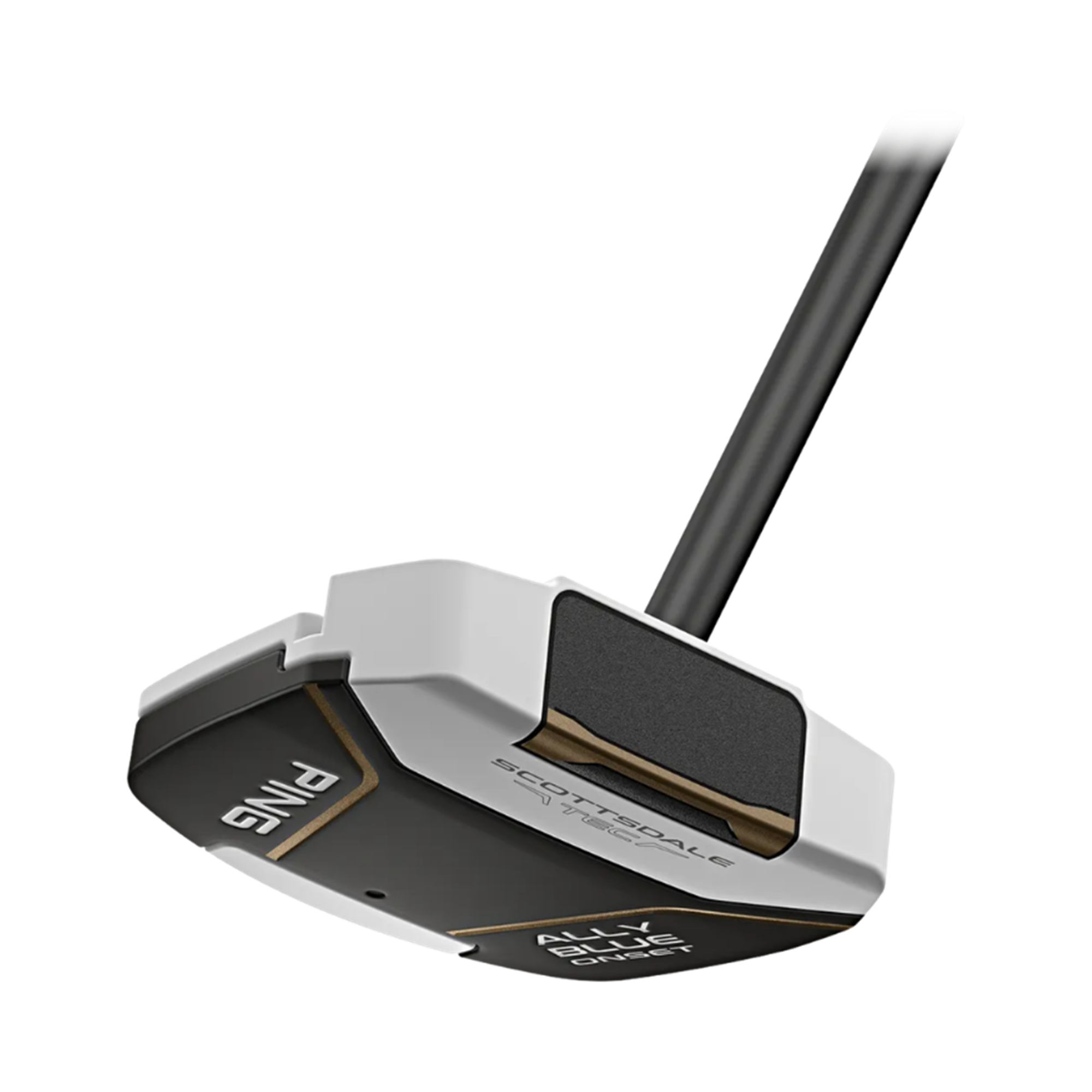 |
PING | Blade-Plus | Value-to-performance ratio | Golfers wanting blade DNA with extra forgiveness | $$$ |
Individual Product Profiles
Mizuno M.Craft Osaka
Mizuno’s forged-feel blade entry in this group. Osaka is the control-first pick for golfers who value precise face feedback over max-MOI masking.
Key Benefits
- Strong short-putt face awareness
- Premium feel profile
- Clean setup confidence for blade players
Potential Drawbacks
- Less forgiveness than large mallets
- Demands consistent strike quality
Best For: Precision players with repeatable stroke mechanics
Price Tier: $$$
Odyssey Ai-DUAL Jailbird 1/2 Ball Cruiser
A modern high-MOI option centered on speed consistency across a wider impact zone.
Key Benefits
- Excellent distance-control support on mishits
- High-alignment confidence
- Stable mallet platform for pressure putting
Potential Drawbacks
- Larger visual footprint
- May feel less workable for strong-arc users
Best For: Golfers trying to tighten long-putt leave distances
Price Tier: $$$
TaylorMade Spider Tour X
One of the benchmark stability mallets in elite competition. Strong choice when line control matters more than blade feel.
Key Benefits
- Proven start-line retention
- Forgiving on off-center contact
- Reliable tournament-to-casual versatility
Potential Drawbacks
- Premium pricing
- Mallet profile not preferred by all traditionalists
Best For: Players seeking dependable line consistency
Price Tier: $$$
TaylorMade Spider ZT
Face-stable zero-torque concept for golfers who fight face-open and face-closed timing errors.
Key Benefits
- Helps reduce face-rotation variability
- Strong for pressure-induced hand action
- Useful game-improvement putting category
Potential Drawbacks
- Different release feel for arc-heavy strokes
- Needs fit validation on loft/lie and length
Best For: Players battling start-line inconsistency under pressure
Price Tier: $$$
Scotty Cameron Studio Style Newport 2
The craftsmanship benchmark in this comparison, built around premium touch, feel, and sound signature.
Key Benefits
- Exceptional feel feedback
- Classic visual profile trusted by elite players
- Strong touch calibration on medium-length putts
Potential Drawbacks
- Highest price tier in this set
- Lower mishit masking than high-MOI options
Best For: Serious players prioritizing touch and craftsmanship
Price Tier: $$$$
PING Scottsdale Anser 2D
A value-to-performance standout that bridges blade familiarity with extra forgiveness through a slightly wider footprint.
Key Benefits
- Strong value for performance level
- Familiar Anser geometry
- More stability than classic narrow blades
Potential Drawbacks
- Not as face-stable as full mallets
- May need lie/length tuning for best rollout
Best For: Golfers who want blade feel with forgiveness support
Price Tier: $$$
Test Notes and Editorial Scoring Method
Our putter ranking model prioritizes start-line retention, pace consistency from 20 to 40 feet, and face-rotation match to stroke shape. Feel and finish quality are considered, but they are secondary to measurable make-rate influence.
For this guide, we gave extra weight to miss-pattern correction because most golfers lose strokes from directional and distance-control variability rather than pure green-reading errors.
Player-Type Recommendations
- Feel-first blade player: Mizuno M.Craft Osaka and Scotty Cameron Studio Style Newport 2 are strongest when touch calibration is your top priority.
- Needs max line stability: TaylorMade Spider Tour X and Odyssey Ai-DUAL Jailbird Cruiser are better for start-line retention and pace protection on slight mishits.
- Face-rotation timing issues: TaylorMade Spider ZT is the best fit-path for golfers fighting yips-like face control problems.
- Best value in premium tier: PING Scottsdale Anser 2D remains the most balanced price-to-performance option in this set.
Buying Checklist Before You Order
- Measure your putter length and lie fit before changing head shape.
- Validate toe-hang fit by checking miss direction over 8 to 12 feet.
- Test pace control on both uphill and downhill putts from 25 feet.
- Choose alignment style by speed of aim setup, not by aesthetics alone.
Final Takeaway
The best 2026 putter is not the most expensive build. It is the one that keeps your face and pace consistent under pressure. Match stroke shape first, then select the head that reduces your most common miss.
Source Links (Manufacturer First)
- Mizuno M.Craft Putters (Manufacturer)
- Odyssey Ai-DUAL Jailbird Cruiser (Manufacturer)
- TaylorMade Spider Tour X (Manufacturer)
- TaylorMade Spider ZT (Manufacturer)
- Scotty Cameron Studio Style Newport 2 (Manufacturer)
- PING Scottsdale Anser 2D (Manufacturer)
Related: Buyer’s Guide hub
FAQ
Who is this comparison best for?
A 2026 cross-manufacturer putter buyer’s guide comparing six current models by fit profile, start-line consistency, pace control, and value.
What should I prioritize first when choosing gear?
Prioritize your miss pattern and launch window first, then refine by feel, adjustability, and price.
Can I use this guide without a paid fitting?
Yes. Use the table to create a 2-3 model shortlist, then test those options side by side before final purchase.