
Quick Answer
Inside the Bags of the Pros: The Most Popular Clubs Being Played on the PGA Tour in 2026: A tour-desk look at 2026 PGA TOUR bag trends, including the most-played club categories and why stable launch windows are winning over one-week speed spikes.
- Category: Tour
- Read Time: 4 min
- Best Use: Apply this as your first decision framework, then validate with your own data.
Driver stability, high-launch fairway coverage, and predictable wedge spin are shaping the 2026 Tour bag map. Week-to-week board reads show one clear pattern: players are choosing repeatable windows over pure speed spikes.
The biggest trend this month is not one “hot” club. It is category convergence. More players are building bags around launch-window consistency from tee ball through scoring clubs.
Leaderboard Lede: What Is Actually Winning Bag Share
At recent PGA TOUR stops, the most common setup profile has looked like this: stable low-spin driver, high-launch fairway or hybrid backup, and one trusted high-friction wedge model for front-pin control.
In short: modern Tour bags are built for stress management as much as shotmaking. That is why certain heads keep showing up in high-finish groups.
Tour Bag Trend Board (2026)
Comparison Table
| Category | Most Noticed Models | Why Players Keep Them In | Tour Trend Signal |
|---|---|---|---|
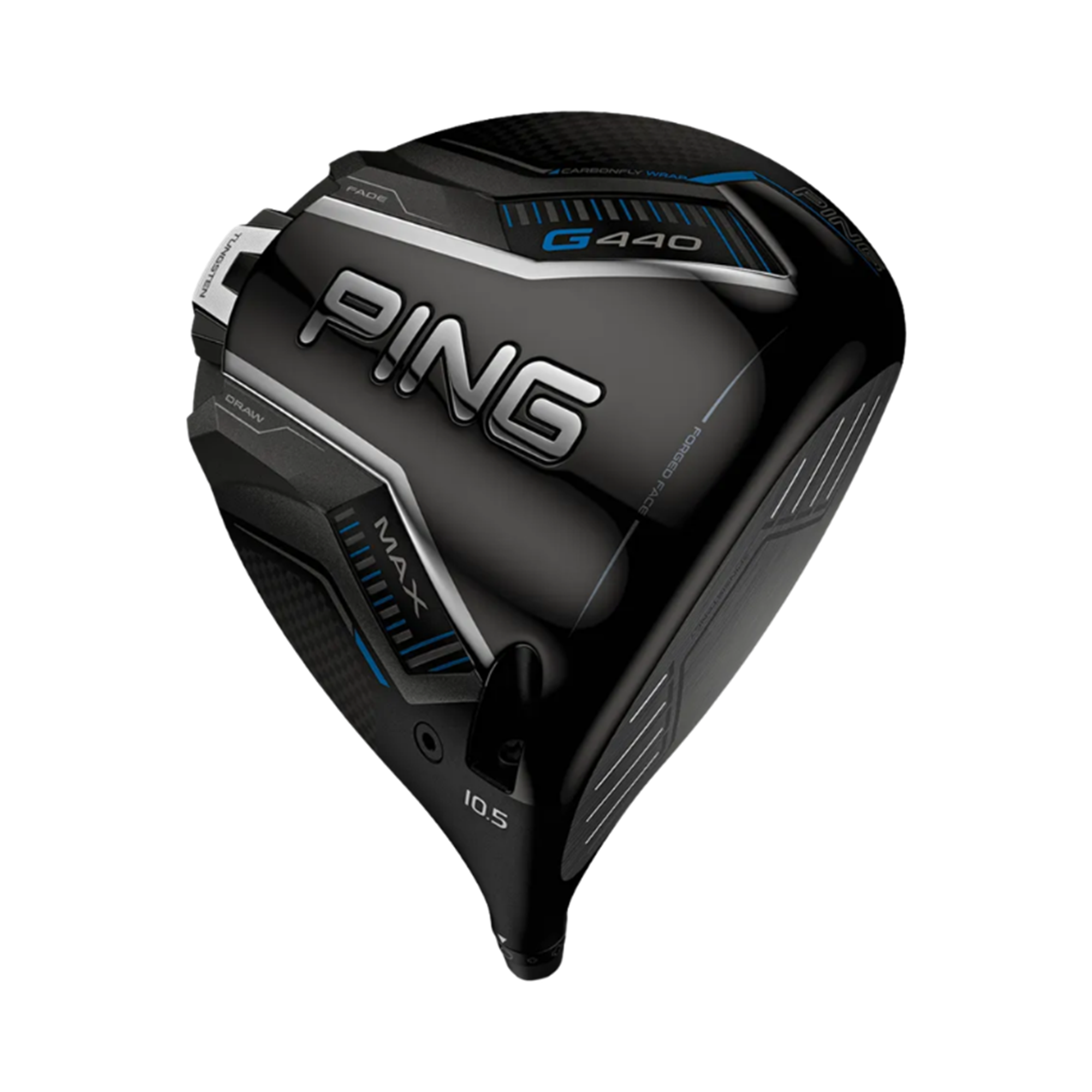
| Driver | Titleist GT2 / GT3, PING G440 MAX, TaylorMade Qi4D Core | Tighter spin windows with stable miss patterns | High |
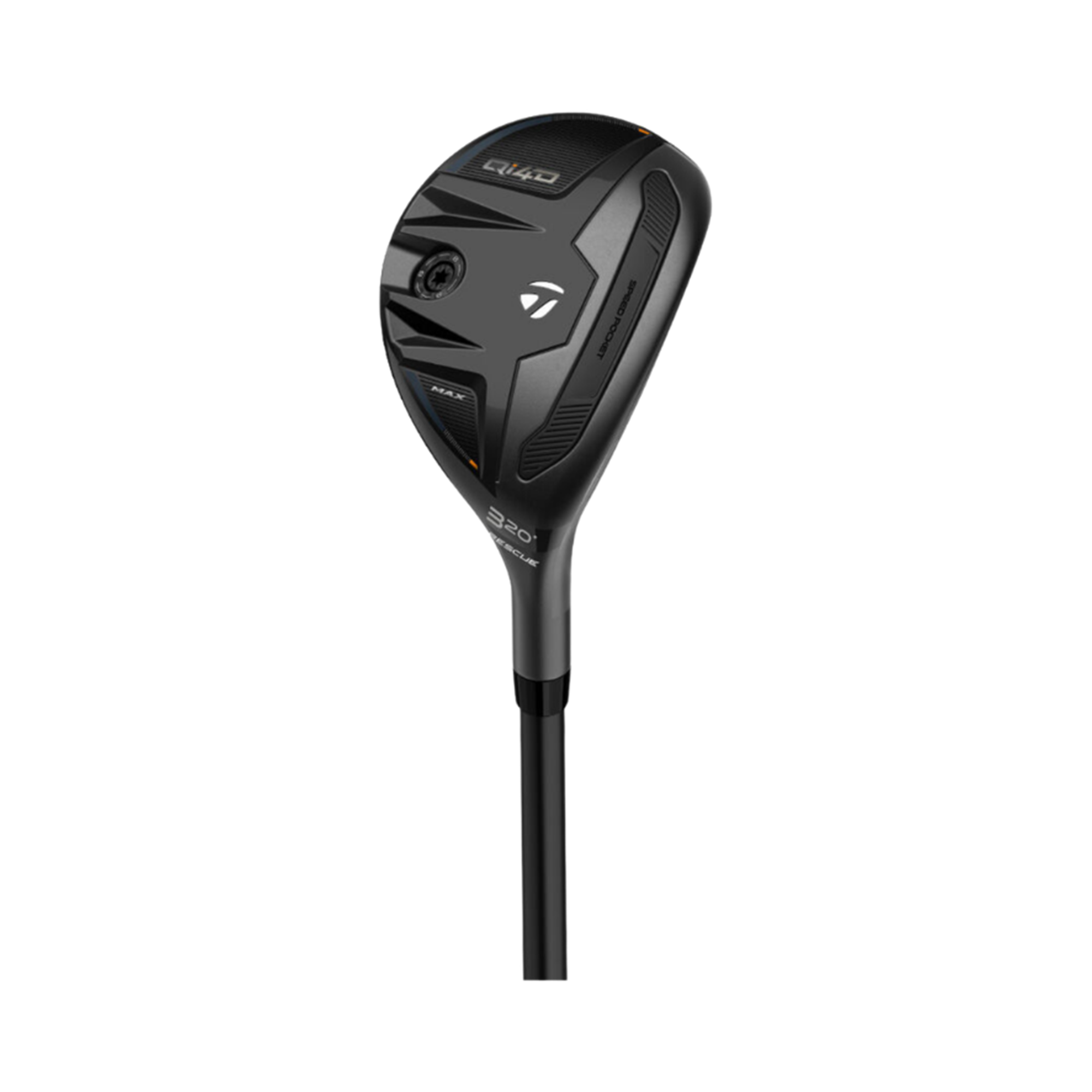
| Fairway + Hybrid | TaylorMade Qi4D fairway/hybrid family, PING G440 fairways | Reliable launch from mixed lies and second-shot pressure | High |
| Players Irons | Mizuno Pro line, Titleist T-Series, PING i-family builds | Front-to-back control on firm greens | Medium-High |
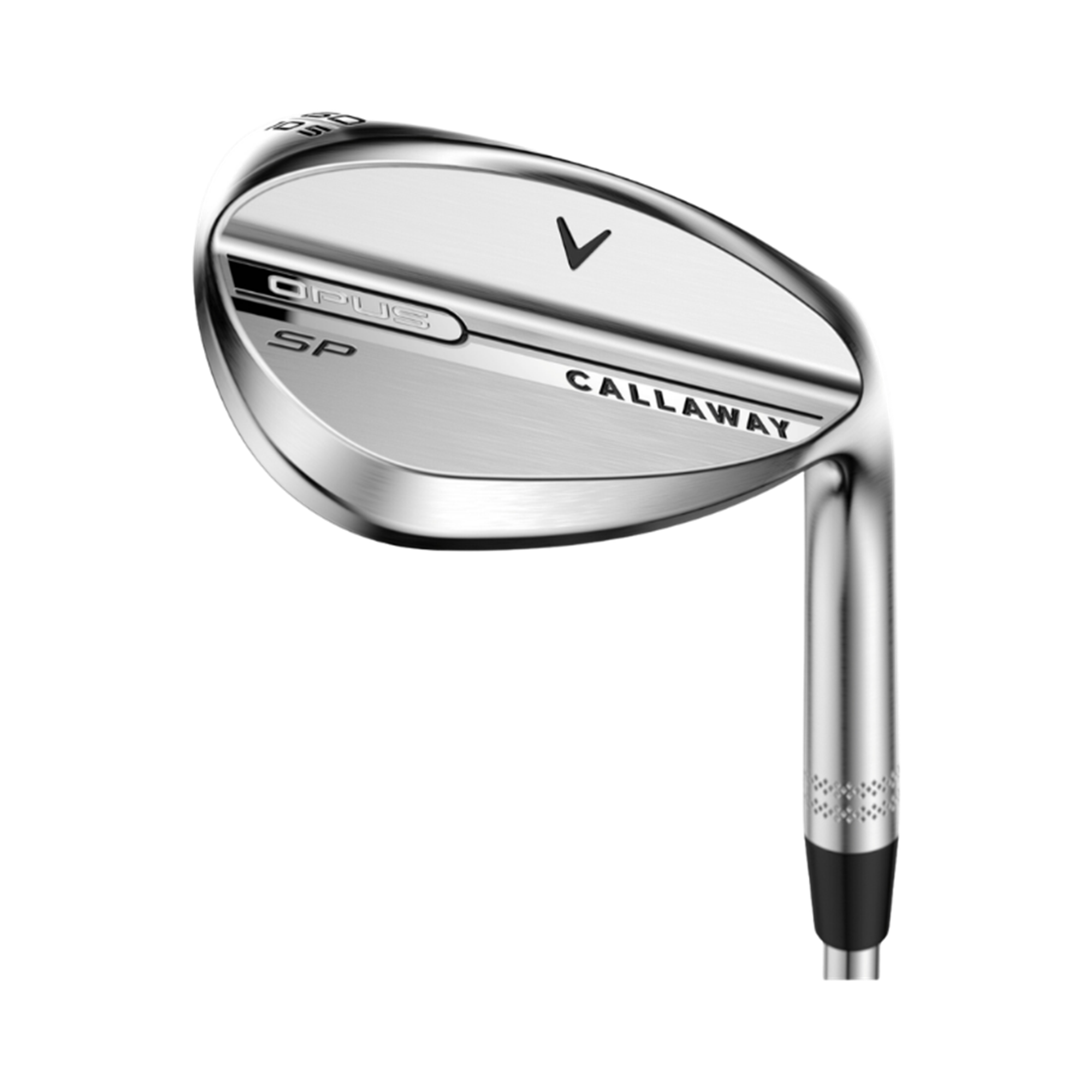
| Wedges | Callaway Opus, Vokey SM family, Cleveland RTX line | Predictable spin + grind fit under variable turf | High |
| Putters | Spider mallets, Odyssey AI family, zero-torque entrants | Face stability under Sunday pressure | High |
The Turning Point This Season
The shift came when players started optimizing for “week survivability,” not one-round fireworks. On difficult setups, neutral misses and cleaner carry windows beat hero-ball profiles.
That is why bag setups now look more balanced across the top 30 than they did two seasons ago. Launch and spin structure are winning out over one-club bias.
“The best players are building bags that hold up on bad swings, not just perfect ones.”
“We are seeing fewer panic swaps and more confidence in long-game gapping.”
“Tour setups now prioritize repeatable windows from 180 and in.”
Category Snapshot: Why These Clubs Keep Surviving
Drivers: Players are favoring heads that keep spin in a playable band even when contact drifts. That has pushed stable “core” models back into the center of the conversation.
Fairways and Hybrids: Utility scoring is driving decisions. Clubs that launch easily from imperfect lies are getting more trust on long par-4s and reachable par-5s.
Wedges and Putters: Scoring pressure is where bag confidence gets exposed. High-friction wedge setups and face-stable putters are now the default build logic for many teams.
What It Means
Expect fewer wild week-to-week equipment pivots from top players and more micro-adjustments around loft, shaft profile, and wedge bounce. The 2026 Tour trend is clear: durable setups beat novelty setups.
For readers, the takeaway is practical. If you want “Tour-like” decision quality, start with stability and gapping before chasing headline speed claims.
Sources
- Darrell Survey: week-to-week equipment board tracking
- PGA TOUR Stats: scoring and performance context
- GolfWRX WITB archive: tournament bag snapshots
Related: Tour coverage
What This Means for Your Game
Inside the Bags of the Pros is not just a headline topic. It has direct impact on your next purchase, setup, or on-course decision. We added this section to give you practical, reader-first context in plain language.
At USAGolfMagazine, we prioritize verifiable detail and inside-the-ropes tour context. That means comparing tradeoffs, identifying who a recommendation helps most, and showing where fit, budget, or conditions can change the best answer.
Quick Practical Checklist
- Define your primary goal before you copy anyone else’s setup.
- Match choices to your actual swing speed, strike pattern, and course conditions.
- Use one consistent benchmark so comparisons stay fair and repeatable.
- Keep notes after rounds so your next adjustment is based on evidence.
If you apply this framework, your decisions around Inside the Bags of the Pros become clearer, faster, and more repeatable. The goal is not one perfect answer for everyone. The goal is finding the best fit for how you actually play.
As always, revisit this guide after a few rounds and update your plan based on results. Small, measured changes usually beat dramatic overhauls, especially when your objective is long-term consistency.
FAQ
What is the key takeaway from this story?
A tour-desk look at 2026 PGA TOUR bag trends, including the most-played club categories and why stable launch windows are winning over one-week speed spikes.
Why does this matter right now?
It affects the next decision golfers make, whether that is equipment selection, planning, practice, or competitive context.
Where can I go deeper on this topic?
Use the related links in this section and the category hubs to compare additional models, methods, and scenarios.