Quick Answer
Augusta National is still pushing hard for golf-ball rollback | Augusta National golf-ball rollback: Augusta National golf-ball rollback: Fred Ridley used the 2026 Masters press conference to keep pressure on the USGA and R&A, but the rollout timing is still under review.
- Category: News
- Read Time: 6 min
- Best Use: Apply this as your first decision framework, then validate with your own data.
For golfers watching Augusta National golf-ball rollback, augusta National is keeping the golf-ball rollback conversation alive.
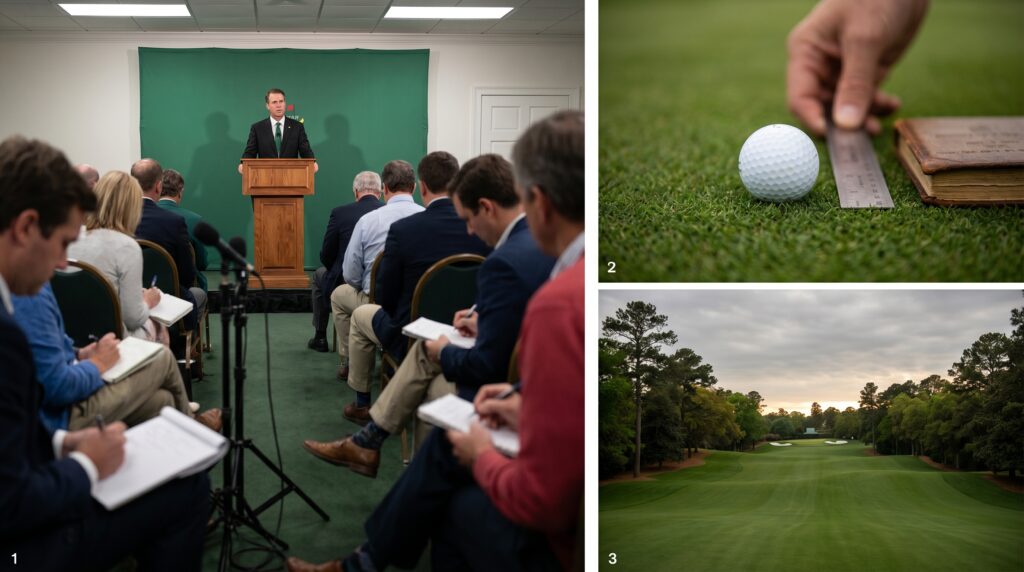
At his 2026 Masters press conference, chairman Fred Ridley again backed tighter distance regulation and pressed the USGA and R&A to keep moving on the issue. That does not mean Augusta can set the rule on its own. It does mean one of golf’s most influential voices is still publicly pushing for change.
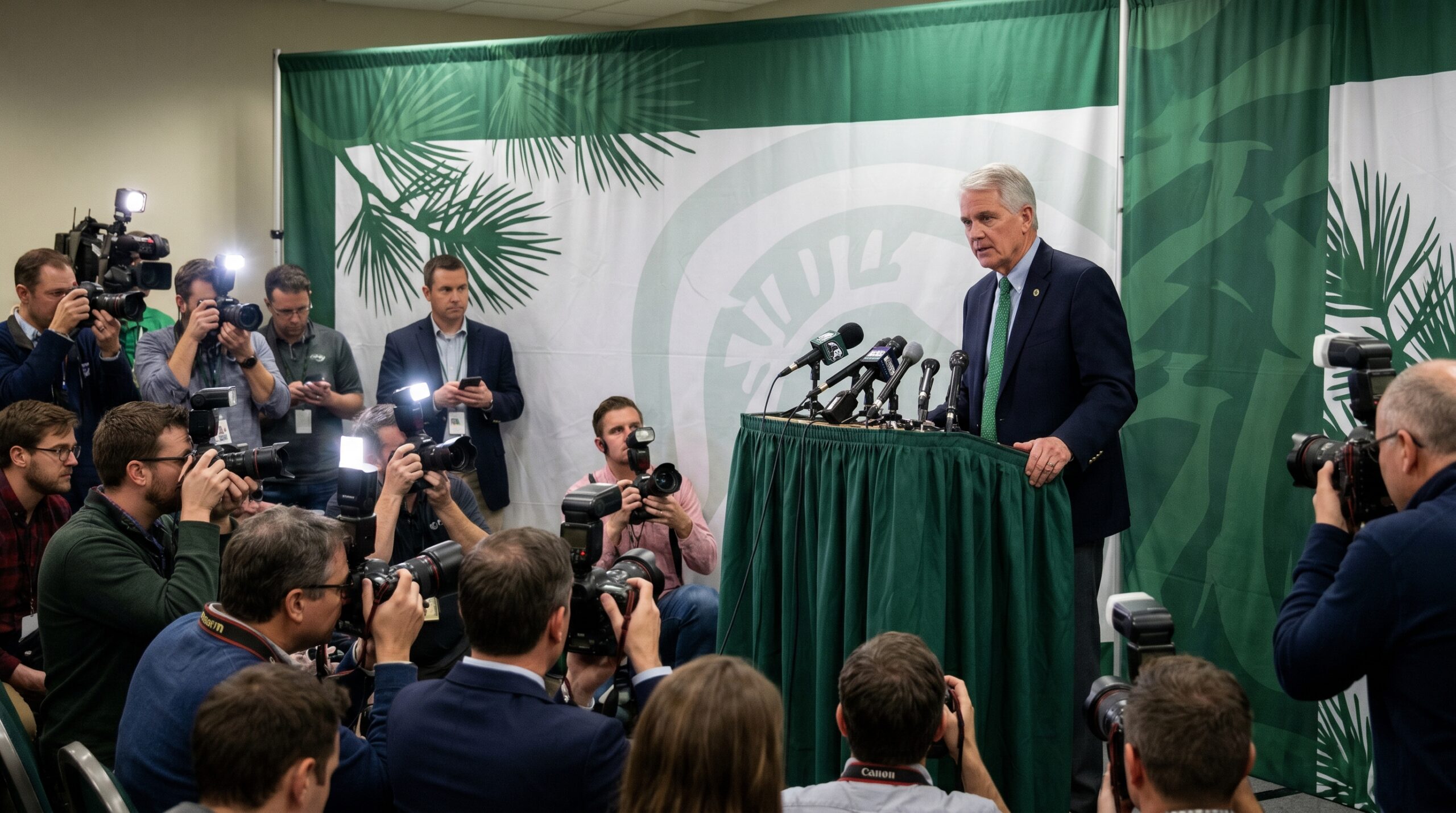
That distinction matters. The rollback has been discussed for years, and the debate has often stalled in the gap between broad agreement and actual implementation. Ridley’s latest comments did not change the policy. They did show that Augusta National is still willing to lean on the governing bodies rather than let the issue drift.
What Ridley said
Reuters reported that Ridley said the distance issue has been discussed for a long time and that “failure’s not an option.” That is a firm line, and it fits Augusta’s long-running view that modern distance has made equipment regulation a necessary topic rather than a theoretical one.
This was not a new announcement. It was a restatement of position, and an intentional one. By raising the subject at the Masters press conference, Ridley made sure the rollback debate stayed visible on one of the sport’s biggest annual stages.
For readers following the issue, the key takeaway is simple: Augusta National has not backed away from the idea. It still believes the sport should act on distance, and it is still saying so publicly.
Where the timeline stands
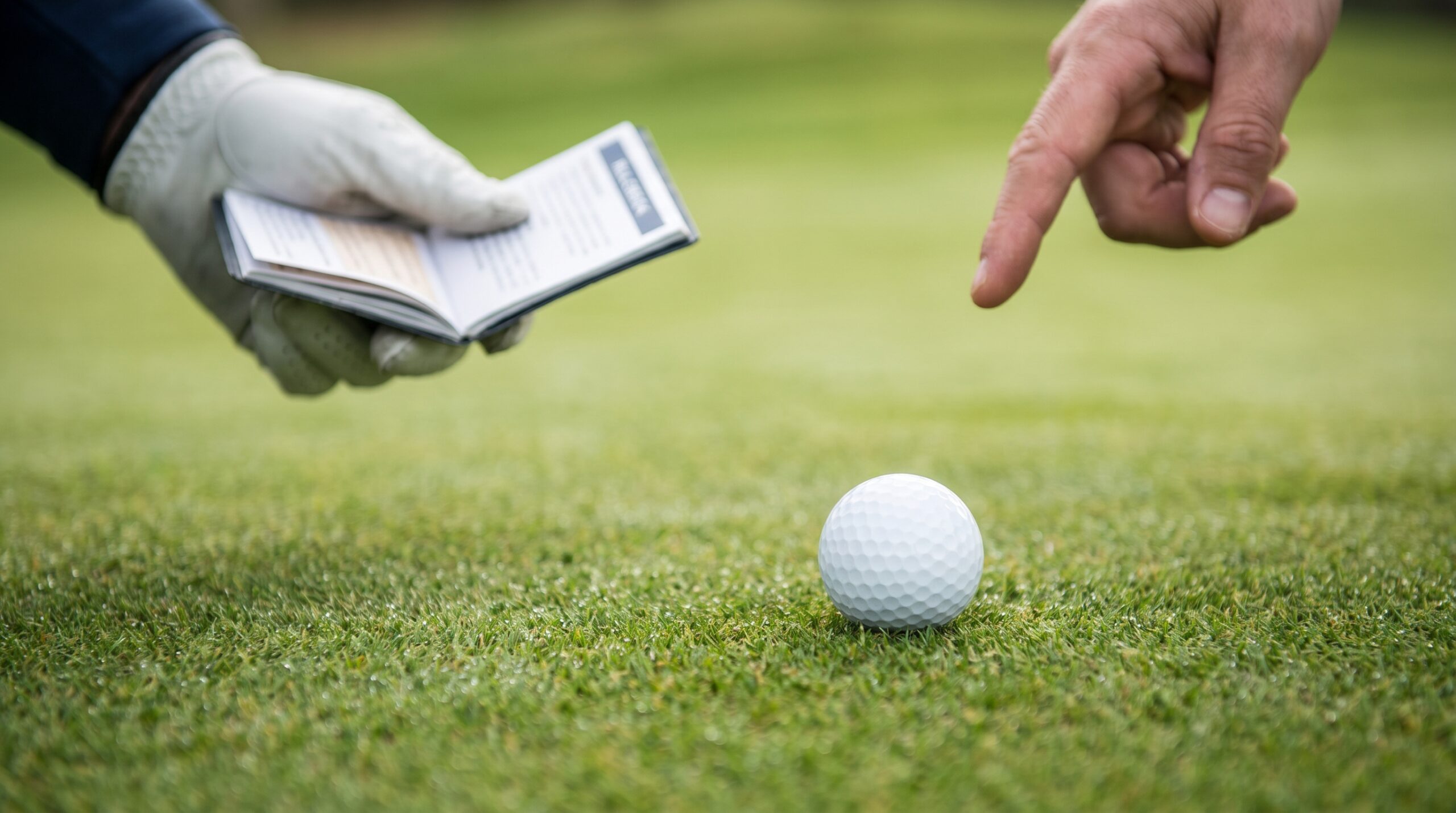
The USGA and R&A have already announced revised golf-ball testing conditions. The original plan was for those changes to take effect in January 2028, with recreational golfers given until January 2030 to keep using existing conforming balls.
But that timeline has not been treated as fully settled. In 2026, the governing bodies were still gathering feedback on whether the rollout should shift to a single later date instead.
That is why the current status can sound messy if you are only catching the headlines. There is already a proposed framework in place, but the sport is still deciding how to stage it. Elite golf, recreational play, equipment supply, and rule consistency all pull the timeline in slightly different directions.
So the cleanest way to describe the current state is this: the rollback is still in play, but the implementation path is still under review.
That is an important difference. A policy can be announced without being fully locked in, especially when the sport is still weighing how best to handle elite play and everyday golfers at the same time. Augusta is pushing for the change. The governing bodies are still working through timing. Neither side has declared the conversation over.
Why Augusta keeps pushing
Augusta National has long framed distance as both a competitive and architectural issue. More distance can change how elite golf is set up, especially at older championship venues that were built for a shorter game.
From that perspective, the rollback is about more than equipment. It is about preserving the way Augusta believes top-level golf should be played, with more emphasis on precision, strategy, and course design than on pure power.
That helps explain why Ridley keeps returning to the subject. Augusta is not trying to score points in a one-off soundbite. It is reinforcing a long-standing position that distance regulation belongs on golf’s agenda.
The other reason is visibility. When Augusta speaks, people listen. The Masters is golf’s most watched annual stage, and its chairman has a platform that few other decision-makers in the sport can match. That does not make Augusta the final authority on equipment rules, but it does give the club leverage in shaping the public conversation.
And while Augusta cannot force the outcome by itself, it can help keep pressure on the process. In a sport where major changes often move slowly, that matters.
What it means for golfers
For most golfers, the immediate impact is limited.
There is no sudden equipment change hitting everyone at once, and the final rollout timing is still being debated. Competitive players will keep watching the regulatory side closely, but recreational golfers do not need to assume their current balls are about to become obsolete overnight.
The more practical takeaway is that the issue is still active. Augusta National remains publicly aligned with a rollback, and that keeps the conversation from fading into the background while the USGA and R&A decide how to proceed.
If you are simply trying to keep up with what matters now, the short answer is that the rule is not fully settled and the timeline is not final. For buying decisions today, the more useful focus is still performance, not speculation.
There is also a useful caution in the way this debate has unfolded. Golf’s equipment conversations can sound definitive when they are still in the consultation stage. That is why it helps to separate the policy direction from the final rollout details. Those are related, but they are not the same thing.
What to watch next
The next meaningful sign will be whether the USGA and R&A keep the original staggered timeline or move toward a later single date. That is the practical question now, because it determines how quickly the change would reach different parts of the game.
It will also be worth watching whether other influential voices in the sport echo Augusta’s position as the timeline discussion continues. The more support the rollback gets from championship operators and course architects, the more pressure the governing bodies may feel to settle the matter sooner rather than later.
For now, though, there is no new inflection point here. Ridley’s remarks are best read as reinforcement, not revelation. Augusta is reminding everyone that it still wants golf to act on distance, and it is not ready to let the issue fade.
That is why Augusta National golf-ball rollback is worth following as this story develops.
Bottom line
Augusta National is still publicly backing golf-ball distance regulation, and Fred Ridley used the 2026 Masters press conference to repeat that stance. The USGA and R&A have already laid out revised testing conditions, but the rollout timing remains under review. So the best read is not that a final rollback has been locked in. It is that Augusta is making sure the issue stays firmly on the table.
FAQ
What is the key takeaway from this story?
Augusta National golf-ball rollback: Fred Ridley used the 2026 Masters press conference to keep pressure on the USGA and R&A, but the rollout timing is still under review.
Why does this matter right now?
It affects the next decision golfers make, whether that is equipment selection, planning, practice, or competitive context.
Where can I go deeper on this topic?
Use the related links in this section and the category hubs to compare additional models, methods, and scenarios.