
Quick Answer
PGA Tour’s Hawaii exit is getting the backlash you’d expect | PGA Tour Hawaii exit backlash: PGA Tour Hawaii exit backlash: The PGA Tour’s Hawaii exit is drawing backlash because it affects prestige, tourism, and the future of the Sony Open, while the...
- Category: Tour
- Read Time: 6 min
- Best Use: Apply this as your first decision framework, then validate with your own data.
For golfers watching PGA Tour Hawaii exit backlash, the PGA Tour’s decision to end its Hawaii swing in 2027 is not just another schedule tweak. It is a real break with a long-running tradition, and the reaction from Hawaii has been predictably sharp.
The short answer is this: the Tour has confirmed it will not return to Hawaii in 2027, and people connected to the state’s golf scene are unhappy because it affects both prestige and money. The longer answer is more complicated, because the move sits at the intersection of logistics, revenue, tradition and the practical realities of modern tour scheduling.
That is why the backlash feels so immediate. It is not because one tournament was quietly removed from the calendar. It is because Hawaii has long been part of the Tour’s identity at the start of the year, with The Sentry at Kapalua and the Sony Open in Honolulu giving the season a distinct opening stretch.
What the PGA Tour actually confirmed
The PGA Tour has said it will not return to Hawaii in 2027. It also confirmed that it is exploring options for the Sony Open to move into the PGA Tour Champions schedule, while more detail on the broader 2027 slate is expected later.
That matters because it changes the frame of the story. This is not simply a one-year pause or a temporary venue shuffle. It is the end of a long-standing Hawaii presence that has included The Sentry at Kapalua from 1999 through 2025, along with the Sony Open at Waialae Country Club dating back to 1971.
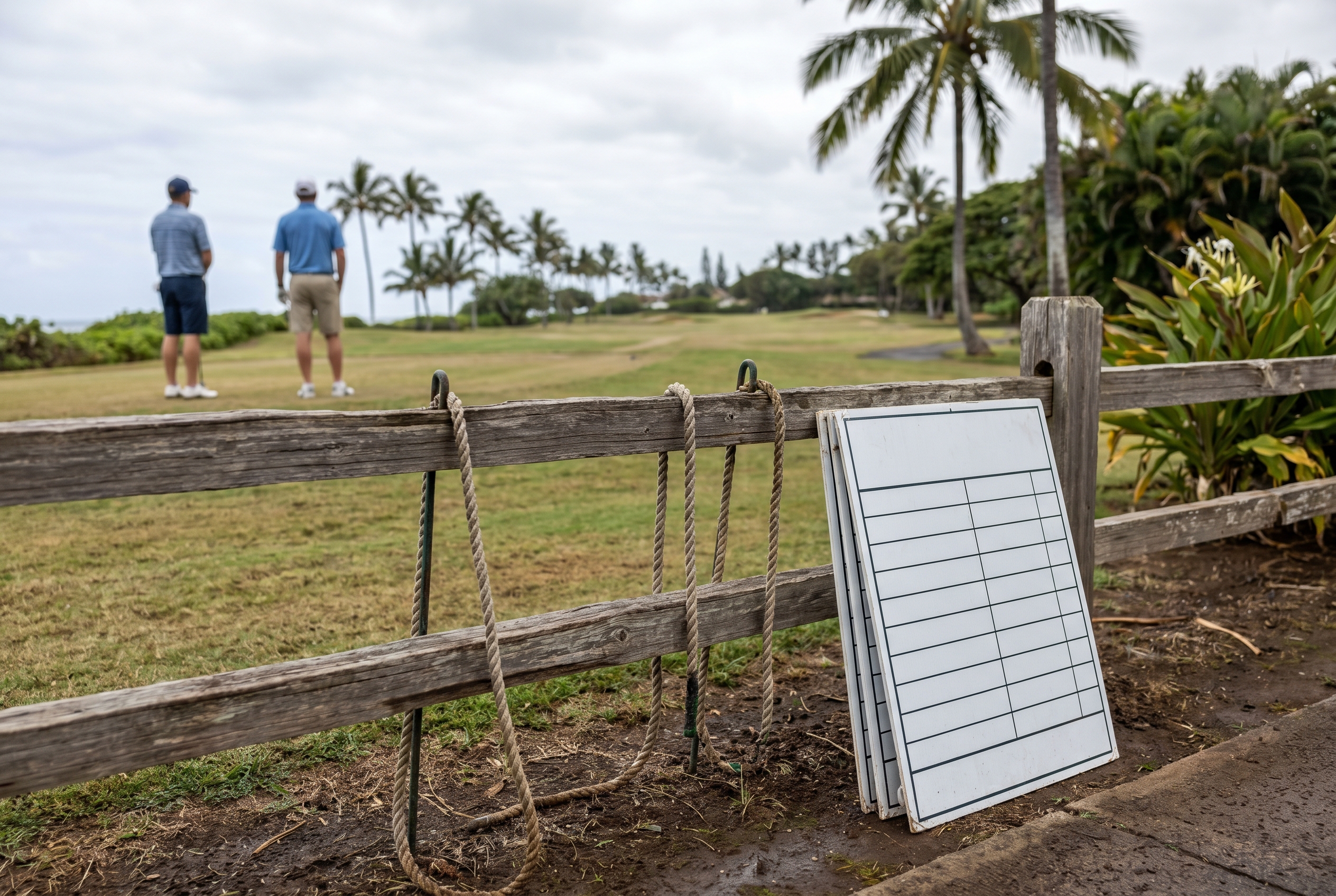
For readers trying to keep the facts straight, the key point is simple. The Tour has confirmed the change. The rest, including how the Sony Open is ultimately classified, is still being worked through.
Why the reaction in Hawaii is so strong
Part of the anger is emotional, and part of it is economic. Hawaii has hosted some of the Tour’s most recognizable January golf for decades, so the exit feels like more than a line item in a schedule release. It feels like a loss of identity.
Mark Rolfing’s reaction, quoted by Hawaii News Now, captured that mix well. He called the decision “half angry and half disappointed,” which sounds about right for the tone of much of the local response. That is not unanimous backlash across the entire golf world, but it is clearly a serious and visible negative reaction from people who know the event ecosystem best.
The business side is harder to ignore. Local reporting says the change could cost Hawaii meaningful tourism and event-related revenue, with one report citing a $54 million statewide economic impact for the Sony Open alone. Those figures should be treated carefully, since estimates vary by outlet, but the direction of the impact is not in doubt. Fewer big events means fewer hotel nights, fewer visitor dollars and less exposure for the state.
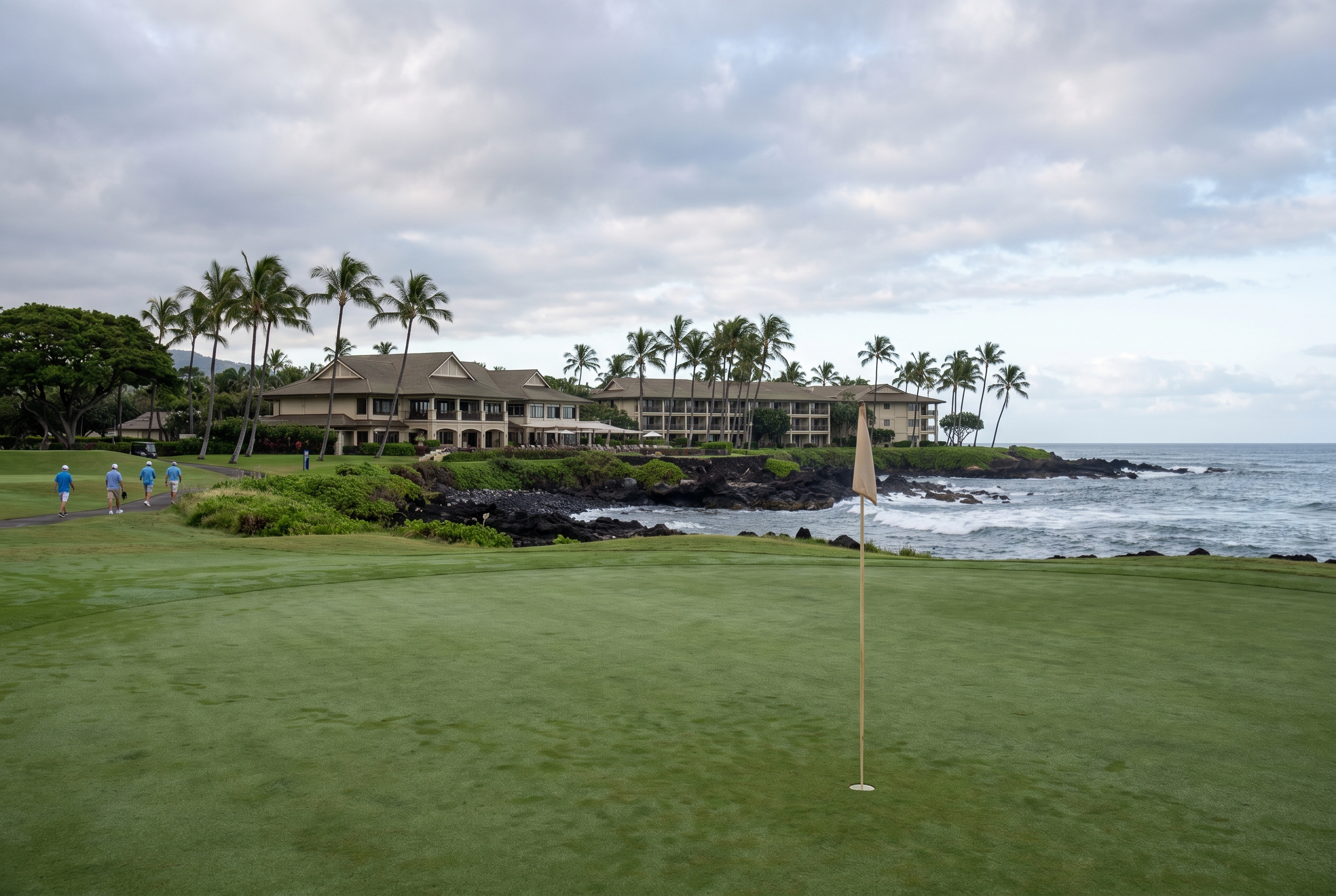
There is also a cultural layer here. Hawaii has not just been a scenic stop on the Tour. It has been one of the places where the season felt grounded and human, with familiar venues, local support and a sense that the Tour was arriving somewhere with its own golf identity. Losing that changes the feel of January golf for players and fans alike.
Why the Tour may be making the move
It would be easy to reduce this to a simple blame game, but that would be lazy. The reporting points to a mix of revenue, logistics and water-related issues, not one single cause. That is important because it keeps the story honest.
Professional golf schedules are under constant pressure. Travel efficiency matters. Broadcast windows matter. Event economics matter. Courses matter. And when a Tour is making decisions years in advance, the easiest place to cut is often not the place with the smallest memory, but the place with the most complicated operating costs.
That does not make the decision popular. It just makes it understandable.
The problem for the Tour is that understandable moves can still be bad optics. Ending a Hawaii run after so many years invites criticism because it looks like the Tour is walking away from something distinctive in favor of something cleaner on paper. Even if that is not the full story, it is the story many people will hear first.
What changes next for The Sentry and the Sony Open
The next question is what happens to the tournaments themselves.
The Sentry was not contested in 2026 after its long stretch at Kapalua, so the immediate future already looked unsettled before this latest confirmation. The Sony Open, meanwhile, has a deeper history at Waialae, which makes any shift feel even more significant.
If the Sony Open does move toward the Champions schedule, that would change its competitive profile, its audience and its place in the early-season calendar. It would also mark a major redefinition of one of Hawaii’s signature golf events. For now, though, that part should be treated as an option rather than a finished fact.
For fans, the practical question is not just “why is the PGA Tour leaving Hawaii?” It is “what, exactly, replaces it?” Right now, the answer is mostly uncertainty.
That uncertainty matters because schedule changes are not neutral. They affect players planning their year, sponsors weighing exposure and local partners trying to understand what disappears and what remains.
If you follow Hawaii golf beyond this story, the ripple effects will be worth watching. The Tour can move tournaments on a spreadsheet. It cannot so easily replace the feeling of a place that had become part of the season’s rhythm.
The bigger picture
This is a reminder that the PGA Tour schedule is not just a list of stops. It is a chain of economic and cultural relationships. When one link breaks, people notice.
Hawaii is reacting strongly because it has every reason to. The state has hosted elite golf for decades, and now it faces the loss of a familiar January showcase with real local value attached. That does not mean every fan is furious or that the entire golf world is united in outrage. It does mean the backlash is real, grounded and easy to understand.
For more on how golf fans evaluate event value and travel fit, see our Buyer’s Guide to the best golf travel bags.
In the end, the PGA Tour’s Hawaii exit is drawing backlash for the simplest possible reason: people in Hawaii believe something meaningful is being taken away. And on this one, they have a point.
That is why PGA Tour Hawaii exit backlash is worth following as this story develops.
FAQ
What is the key takeaway from this story?
PGA Tour Hawaii exit backlash: The PGA Tour’s Hawaii exit is drawing backlash because it affects prestige, tourism, and the future of the Sony Open, while the...
Why does this matter right now?
It affects the next decision golfers make, whether that is equipment selection, planning, practice, or competitive context.
Where can I go deeper on this topic?
Use the related links in this section and the category hubs to compare additional models, methods, and scenarios.