Quick Answer
LPGA slow-play penalty reignites pace-of-play debate after JM Eagle LA Championship: LPGA slow-play penalty: Jin Hee Im’s slow-play penalty at the JM Eagle LA Championship reignited the LPGA pace-of-play debate after Hannah Green won the...
- Category: News
- Read Time: 5 min
- Best Use: Apply this as your first decision framework, then validate with your own data.
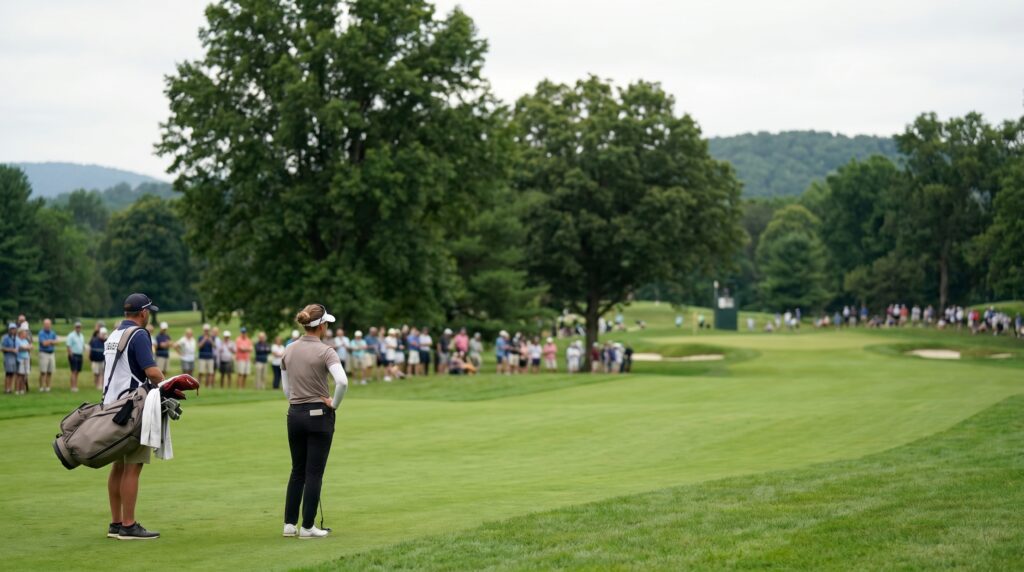
For golfers watching LPGA slow-play penalty, the LPGA’s pace-of-play debate is back in the spotlight after Jin Hee Im received a one-stroke slow-play penalty during the third round of the 2026 JM Eagle LA Championship.
The timing made the ruling hard to ignore. Hannah Green later won the event in a playoff over Im and Sei Young Kim after all three finished tied at 17-under, which turned one penalty into the week’s main talking point.
It is tempting to turn that into a simple what-if story, but golf rarely gives clean counterfactuals. What can be said with confidence is that the penalty mattered, the finish was tight, and the LPGA’s stricter enforcement has once again put pace of play under scrutiny.
What happened in Los Angeles
Im was assessed the penalty on the 13th hole of Saturday’s third round at El Caballero Country Club. By the end of the tournament, she was part of a three-player playoff, and Green emerged with the title.
That sequence is what gave the story so much traction. In a routine finish, the penalty would have been a footnote. In a playoff event, it became the kind of ruling fans and players talk about for days.
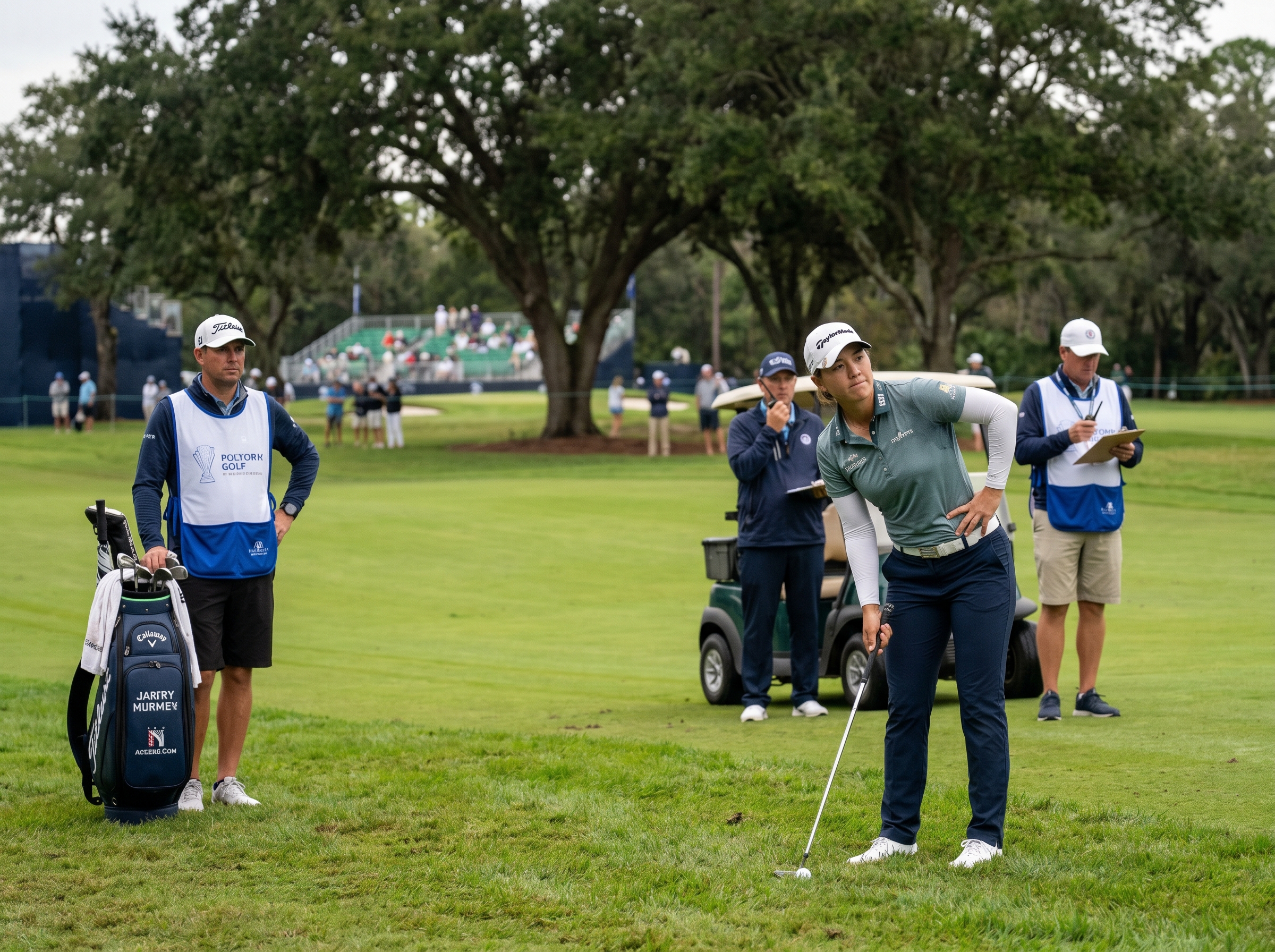
The important distinction is this: the penalty did not automatically decide the championship. The final result was shaped by three full rounds and a playoff. But it would also be wrong to call the stroke meaningless. In a finish that close, every shot carries weight, and every timing call feels louder than usual.
That is why the story landed so hard. The penalty was real, the result was real, and the frustration around it was real too.
Why the penalty hit a nerve
Slow play has always been one of golf’s easiest complaints and hardest fixes. Players do not want to feel rushed, fans do not want to sit through dead time, and officials have to balance fairness against pace.
The LPGA’s newer pace-of-play policy, announced in February 2025, changed the stakes. According to Golf.com’s reporting on the policy, 1 to 5 seconds over the allotment brings a fine, 6 to 15 seconds over brings a one-stroke penalty, and 16 or more seconds over brings two strokes. That is a firmer line than many fans are used to seeing in professional golf.
That firmness is exactly why the debate reignited. Some observers will see the ruling as proof the LPGA is finally serious about enforcing the pace standards it already has. Others will worry that the punishment feels harsh in a sport where rhythm, pressure, weather, and shot selection can all affect timing.
Both reactions make sense. Clear rules are better than vague warnings, but clarity does not make every judgment feel fair in the moment.
What the LPGA policy is trying to solve
Golf fans have heard complaints about pace of play for years. The problem is not new, but it has become more visible as broadcasts, highlight clips, and social media have made every slow stretch feel longer.
The LPGA’s tougher policy appears designed to answer that criticism directly. Players know the thresholds. Officials know what to call. Fans know the tour is not relying on gentle reminders alone.
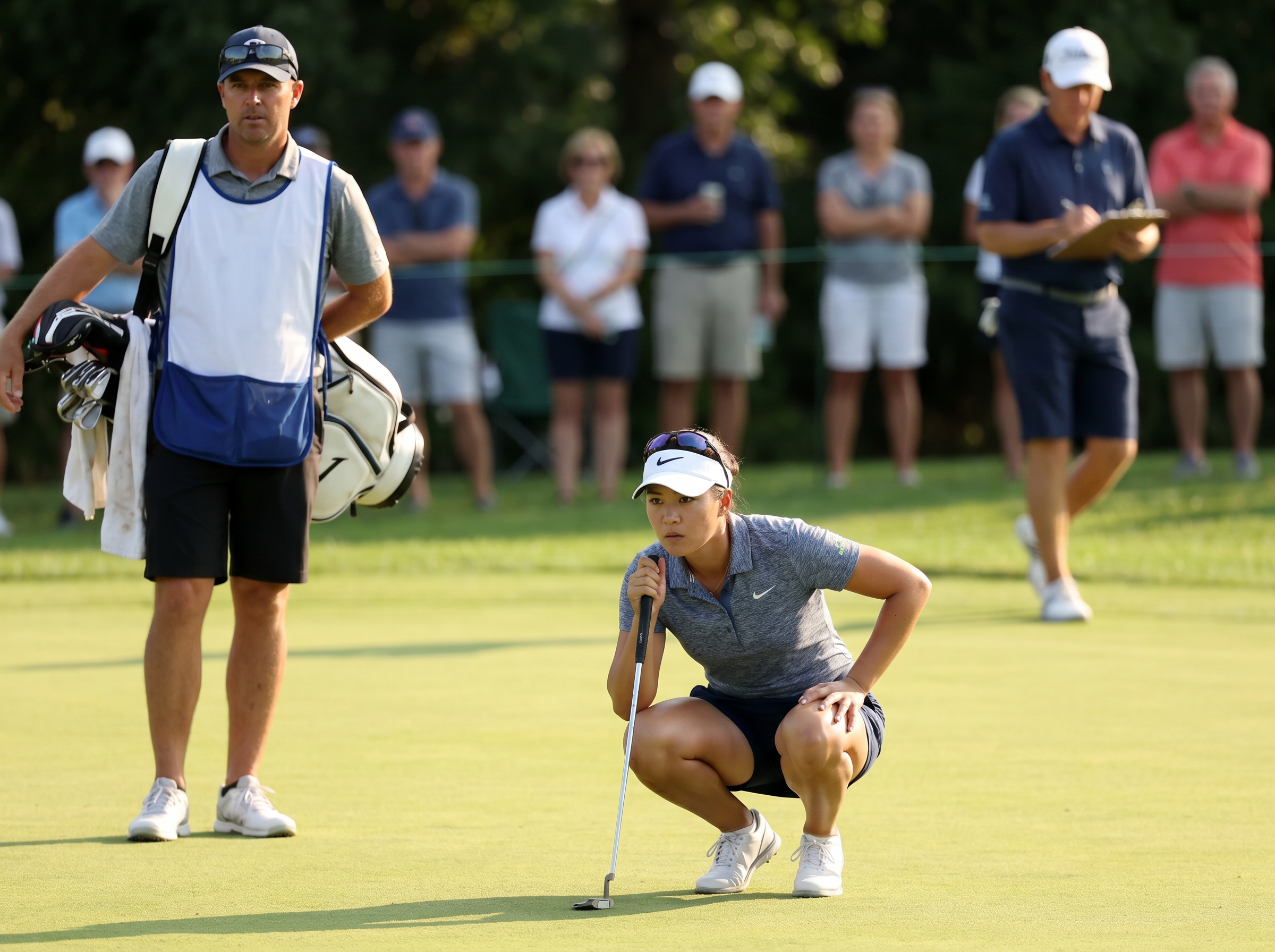
That changes the emotional feel of the game. Once a pace rule is strict enough to affect a tournament result, it stops being an abstract administration story and becomes part of competition itself.
That is probably the point. A rule that is never enforced is not much of a rule. If a tour wants quicker rounds, it has to be willing to act when players go over the line.
Still, the optics matter. Any penalty in a close finish will spark debate, and a slow-play penalty in a playoff event will spark even more. That does not mean the rule is wrong. It means the LPGA has accepted that real enforcement comes with real noise.
What it means for players and fans
For players, the message is straightforward, even if it is uncomfortable: pace of play is now part of competitive accountability, not just etiquette. A slow round can carry scoreboard consequences, and that changes how every group has to think about timing from the first tee shot to the final putt.
For players in contention, the pressure is even more complicated. They still have to stay committed to routine, but they now have to do it inside a tighter enforcement environment. That means one more layer of decision-making in an already demanding situation.
For fans, the takeaway is more mixed. If you have wanted the LPGA to be firmer on pace, this is the kind of enforcement you were asking for. If you worry about over-officiating, this is exactly the kind of case that will make you uneasy.
The truth is that both things can be true at once. The LPGA can be right to tighten enforcement and still face fair questions about how that policy feels when it lands in a tight finish. That is the tradeoff whenever a tour moves from warning players to penalizing them.
If you want a broader look at how equipment choices can affect rhythm and confidence between shots, our Buyer’s Guide to the best golf rangefinders is a useful companion read.
The bottom line
The JM Eagle LA Championship did not create the LPGA’s pace-of-play problem, but it did put the issue back in the spotlight.
Im’s slow-play penalty, Green’s playoff win, and the LPGA’s tougher policy all combined to make the conversation louder than usual. The fairest reading is simple: the penalty may not have definitively changed the winner, but it absolutely changed the story.
And in golf, that is usually enough to reopen the debate.
What happens next will matter. If the LPGA continues to enforce the policy consistently, the controversy around individual penalties may fade into a broader acceptance of the standard. If enforcement feels uneven, every close finish will bring the same argument back again.
That is the real test now, not just whether one ruling was harsh, but whether the tour can keep pace-of-play enforcement credible without letting it overshadow the competition.
That is why LPGA slow-play penalty is worth following as this story develops.
FAQ
What is the key takeaway from this story?
LPGA slow-play penalty: Jin Hee Im’s slow-play penalty at the JM Eagle LA Championship reignited the LPGA pace-of-play debate after Hannah Green won the...
Why does this matter right now?
It affects the next decision golfers make, whether that is equipment selection, planning, practice, or competitive context.
Where can I go deeper on this topic?
Use the related links in this section and the category hubs to compare additional models, methods, and scenarios.