Quick Answer
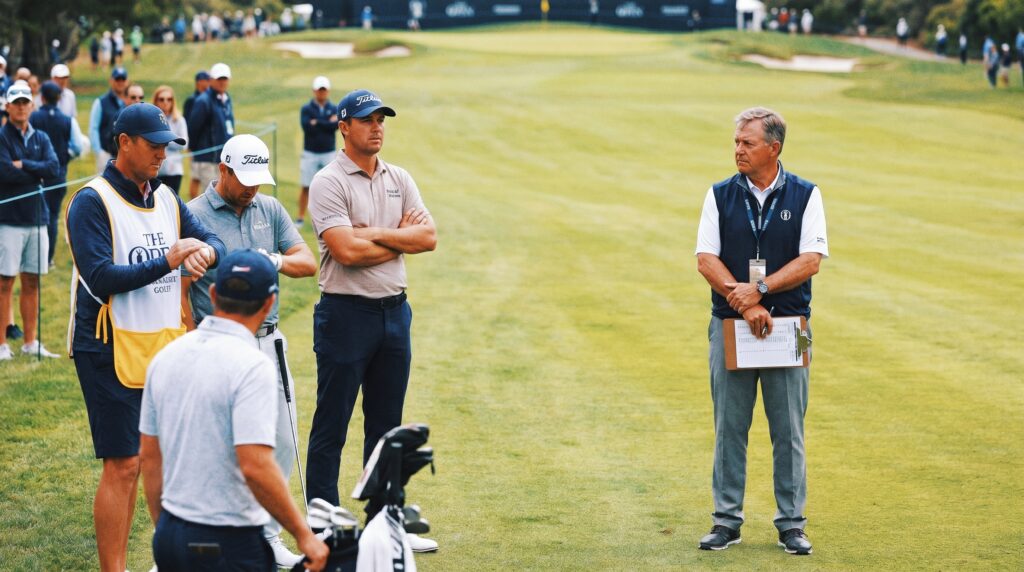
Pace-of-play enforcement is heating up, but not evenly across golf: Pace-of-play enforcement is getting tougher across pro golf, but the LPGA, PGA Tour Americas and PGA Tour are moving on different timelines.
- Category: News
- Read Time: 5 min
- Best Use: Apply this as your first decision framework, then validate with your own data.
Pace of play is getting more attention across professional golf, but this is not one clean crackdown. The more accurate read is that different tours are using different tools, on different timelines, to address the same problem.
That matters because slow play has long been one of golf’s most frustrating pressure points. Fans notice it, players complain about it, and administrators keep trying to tighten the screws without turning every round into a penalty parade.
The latest policy moves show real momentum. They also show something important: golf is not moving as one unified block. The LPGA, the PGA Tour feeder circuit, and the PGA Tour itself are each handling pace of play in their own way.
What prompted the latest push
The pressure around pace of play has been building for years, and the recent shift is less about one headline-grabbing incident than a steady accumulation of complaints, policy tweaks and public scrutiny. Tours want faster rounds, but they also want enforcement that feels consistent enough to be credible.
The clearest trend is accountability. Instead of relying only on warnings, tours are making pace data more visible and penalties more concrete. That is a meaningful change because visibility changes behavior. Once players know the numbers can be seen, discussed and compared, slow play stops being a private annoyance and becomes a public metric.
That shift also reflects a practical reality. Slow play is hard to solve with messaging alone. If a player can ignore a warning and never see the full consequence, the policy is weak. If the numbers are published, and the penalties escalate, the system starts to carry some weight.
Where enforcement is actually changing
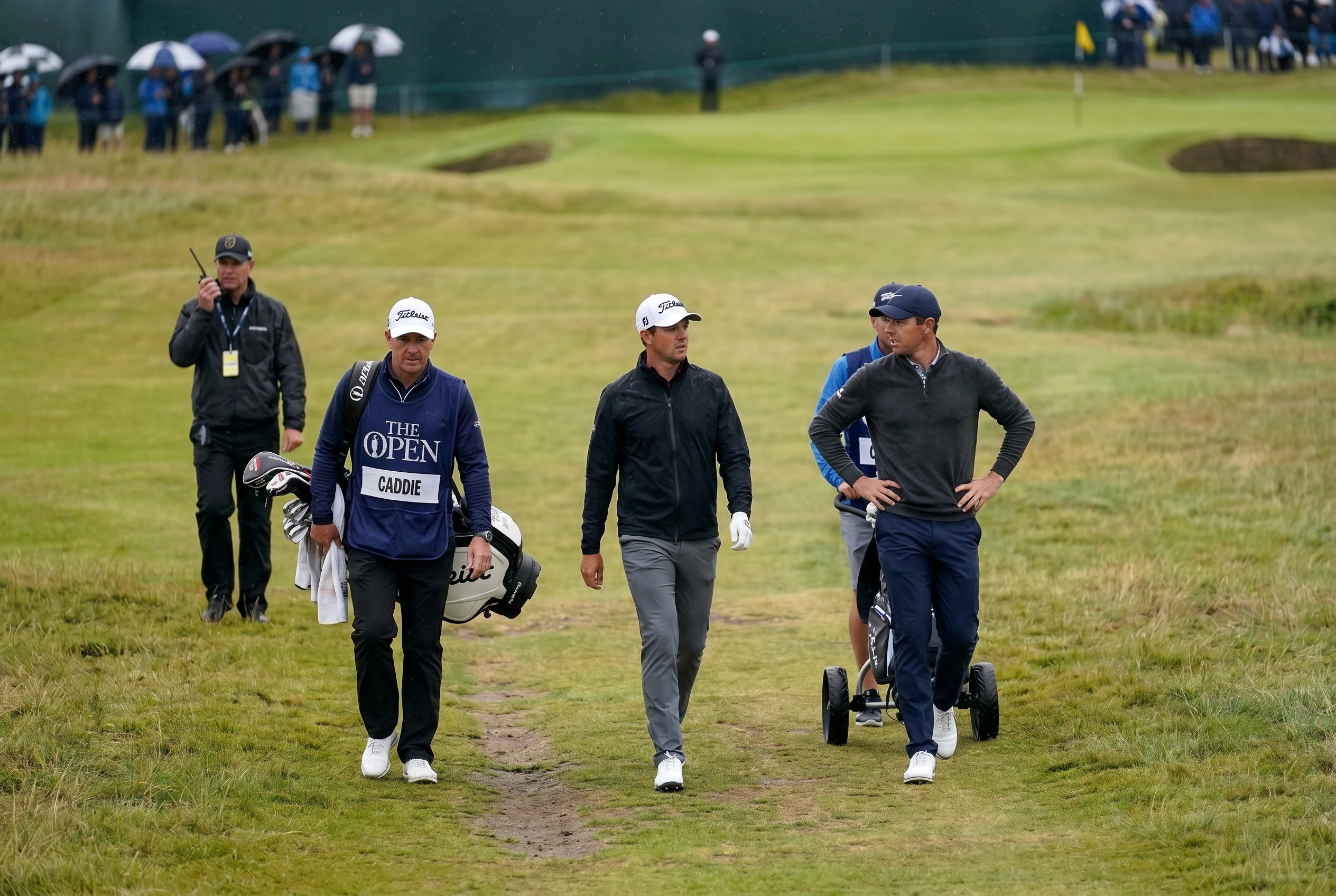
The clearest hard-edged policy shift is on the LPGA side. Its revised pace-of-play system uses escalating penalties, starting with fines for small delays and moving to a one-stroke penalty for moderate overages and a two-stroke penalty for the slowest cases. That is a serious structure, and it signals that the tour wants pace to be treated as a competitive issue, not just a courtesy.
That approach is different from what the PGA Tour is doing right now. The Tour has told Korn Ferry Tour players that speed-of-play statistics will become public for the first time, with rollout after the Colonial Life Charity Classic in May 2026. That is a transparency move first and a penalty move second. Public data can change locker-room behavior quickly, even before the first meaningful sanction lands.
On PGA Tour Americas, the direction is already clearer. The circuit adopted a revised pace-of-play policy in 2025 that included a one-stroke penalty for the first bad time. That is not subtle, and it shows that lower-tier tours are often willing to act faster than the flagship circuit.

Taken together, these changes show a pattern. The LPGA is leaning on formal penalty escalation. PGA Tour Americas has already shown it will punish slow play directly. The PGA Tour is moving toward public accountability through stats. Same problem, different levers.
Why this is not a universal crackdown
It is tempting to say golf is finally cracking down on slow play everywhere. That would be too tidy, and the available facts do not support it.
The PGA Tour is still in an information-gathering and transparency phase. That is real progress, but it is not the same as a universal new penalty system. The USGA’s 2026 clarifications also do not point to one sweeping new slow-play rule across the sport, which matters because many readers will assume a rules change means everyone is suddenly under the same standard.
They are not.
That unevenness is the key story. In golf, policy often advances through separate bodies, not one master switch. One organization updates penalties. Another publishes stats. Another revises its operational procedures. The result is momentum, but not uniformity.
There is also a difference between enforcement and culture. A tour can publish a pace-of-play policy overnight. It takes longer to make players, caddies, officials and fans treat slow play as a real competitive issue rather than an occasional annoyance. That is why transparency matters so much. It gives officials something measurable to point to, and it gives players less room to shrug off the problem as anecdotal.
So if someone says pro golf has launched a single pace-of-play crackdown, the more accurate answer is: partly, and depending on which tour you mean.
What it means for players and fans
For players, the immediate takeaway is simple: slow play is becoming harder to hide. Even where penalties are not yet as severe as the LPGA’s, the public-relations risk is rising. Nobody wants to be the player whose pace numbers become a weekly talking point.
For fans, that could mean a better viewing experience over time, but probably not overnight. Pace issues are messy because they involve tee-time spacing, course setup, shot selection, competitive pressure and human routine. You can tighten policy, but you cannot fully legislate tempo out of the sport.
That is why the most realistic expectation is gradual pressure rather than one dramatic fix. More tours will likely publish more data. More officials will lean on warning systems. More players will be aware that bad pace can carry a cost.
The bigger shift may be cultural. Once pace of play is visible, comparable and tied to actual penalties, it stops being a side complaint and becomes part of the professional standard. That does not solve slow play in one season, but it does make the problem harder for the sport to ignore.
The bottom line
Pace-of-play enforcement is clearly heating up in pro golf, but the change is uneven. The LPGA has the sharpest penalty structure, PGA Tour Americas has already acted, and the PGA Tour is starting with transparency.
So yes, enforcement is getting tougher. No, there is not one universal rule change sweeping across the sport.
What is happening instead is more interesting, and probably more realistic: golf is building a stronger culture of accountability around pace of play, one tour at a time.
FAQ
What is the key takeaway from this story?
Pace-of-play enforcement is getting tougher across pro golf, but the LPGA, PGA Tour Americas and PGA Tour are moving on different timelines.
Why does this matter right now?
It affects the next decision golfers make, whether that is equipment selection, planning, practice, or competitive context.
Where can I go deeper on this topic?
Use the related links in this section and the category hubs to compare additional models, methods, and scenarios.